
What 'black tech' in intelligent machining makes cutting tools more wear-resistant and extends their lifespan?
In the field of modern intelligent machining, tool coating technology plays a vital role, serving as a key tool for enhancing efficiency. By applying one or multiple layers of specialized materials to the tool surface, this technology significantly improves the tool's wear resistance, making it more durable during high-speed cutting and machining of hard materials. This not only directly extends the tool's service life, reducing downtime and costs associated with frequent replacements, but also enhances the stability and output quality of the overall machining process. A deep understanding of the material technologies and application principles behind these coatings is fundamental for manufacturers to optimize machining strategies and achieve higher production efficiency.
The Mystery of Tool Coating Technology Revealed
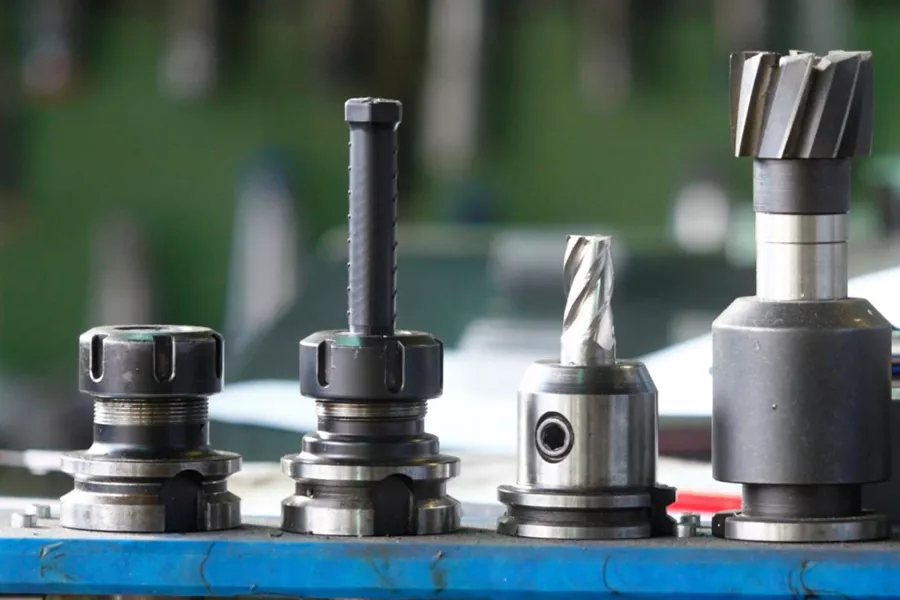
In simple terms, tool coating involves applying a very thin (typically only a few micrometers thick) but high-performance material layer to the surface of cutting tools using special processes. This high-tech 'outer layer' is an outstanding example of material technology applied in the field of mechanical machining. Hard materials such as titanium nitride, aluminum oxide, or diamond are deposited onto the tool substrate under vacuum conditions or specific environments to form the coating. Its core function is to significantly enhance the hardness and smoothness of the tool surface. It is precisely this change in physical properties that enables the tool's contact surface with the workpiece material to have stronger resistance to friction and wear during high-speed, high-temperature, and high-pressure intelligent machining processes, laying the foundation for subsequent discussions on how it improves wear resistance and extends tool life.
Mechanism for Improving Abrasion Resistance
The key reason why tool coatings can significantly enhance wear resistance is that they act like a super-strong armor covering the tool surface. This special coating material has a hardness much higher than the material being machined itself. When the tool is high-speed cutting metal in an intelligent machining center, it is this hard coating that directly bears most of the friction and impact, effectively protecting the tool substrate from rapid wear. Moreover, many advanced coatings, such as titanium nitride or diamond-like carbon coatings, also have extremely low friction coefficients. This means that during the cutting process, the coating surface is smoother, reducing adhesion and friction heat between the tool and the workpiece material, further slowing down the wear rate. This dual advantage of high hardness and low friction is precisely the core application principle of modern material technology in improving tool wear resistance, allowing tools to remain sharp and operate for longer periods even under harsh machining conditions.
Strategies for Life Extension Applications
In practical intelligent machining, key strategies for applying tool coating technology can effectively extend tool life. First, select the appropriate coating type based on the workpiece material; for example, TiAlN coatings can enhance wear resistance and reduce wear. Second, optimize cutting parameters, including controlling feed rate and speed, to avoid excessive load leading to coating peeling. Additionally, regularly maintain the tools by cleaning and inspecting the coating condition to ensure its integrity. Research shows that reasonable application of these strategies can extend tool life by more than 40%, improving machining efficiency. Furthermore, innovations in material technology applications, such as composite coating design, provide more practical solutions for extending tool life.
As can be seen, tool coating technology, as a key application of materials science in intelligent machining, holds core value in significantly enhancing the wear resistance of tools and effectively extending their service life. By selecting appropriate coating types and precisely controlling process parameters, manufacturing enterprises can tackle challenges posed by high-hardness and high-toughness materials, reducing the frequency of tool changes and downtime. This not only directly lowers production costs but also ensures the efficiency and stability of the machining process. Continuously optimizing coating application strategies, combined with rational tool selection and maintenance, is a reliable way to maximize the potential of this 'black technology' and achieve better machining efficiency and economic benefits.