
How to Optimize P20 Steel to Improve Mold Performance and Life
Why P20 Steel Stands Out in Mold Manufacturing
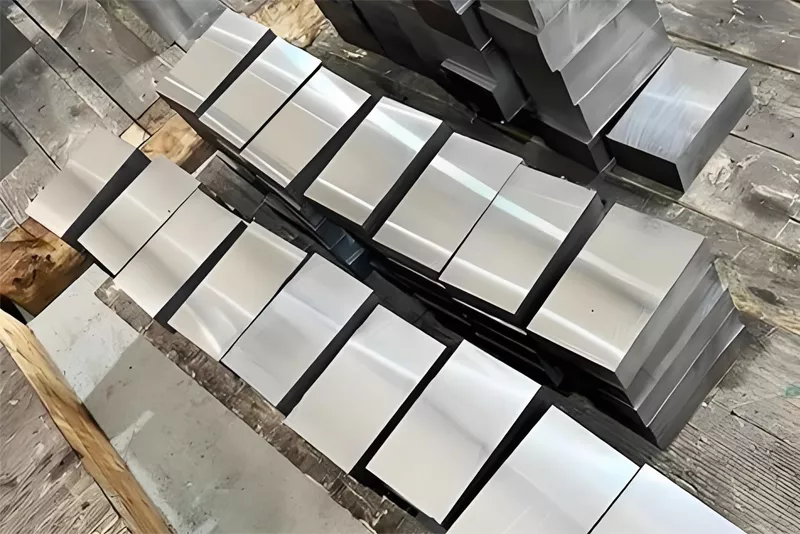
P20 steel offers an ideal balance between hardness and machinability, making it one of the most versatile mold materials in the industry. Its main characteristics include:
Pre-hardened condition: P20 steel is typically supplied at 28–32 HRC, allowing for easy machining without additional heat treatment. This reduces production time and tooling costs.
Excellent dimensional stability: The steel maintains its shape and tolerances during machining and cooling, ensuring precision for complex mold structures.
Good wear and heat resistance: P20 can withstand repeated heating and cooling cycles, making it suitable for molds that endure thermal stress.
(1) Precision Machining
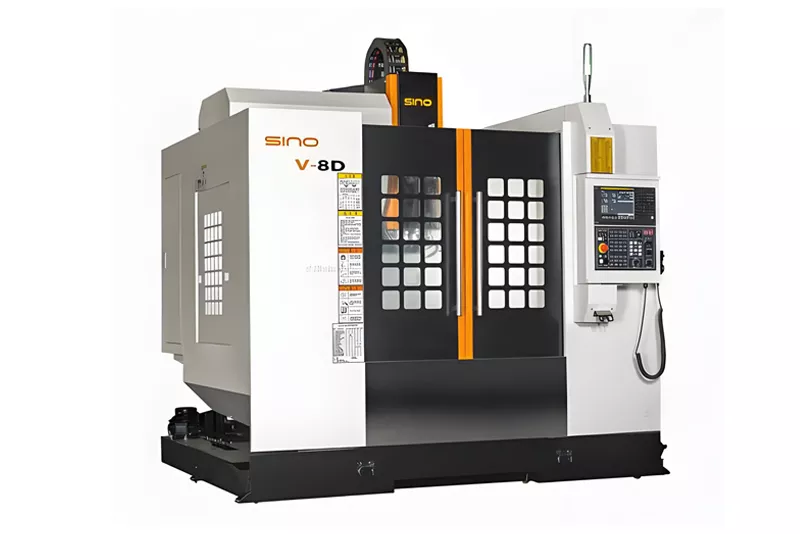
P20 steel’s machinability allows for detailed and precise mold fabrication. However, improper cutting tools or speeds can cause premature wear or surface roughness. Use sharp tools and adjust cutting parameters to maintain smooth surfaces and minimize microcracks. This ensures better mold release and surface finish quality.
(2) Regular Cleaning
Contaminants such as residues, gas deposits, and corrosion can affect the surface finish and mold accuracy.
Clean the mold after each molding cycle using mild solvents or dedicated mold cleaners. This prevents oxidation and ensures consistent molding performance.
(3) Lubrication and Cooling
Proper lubrication minimizes friction and wear, particularly on moving parts such as ejector pins or slides.
Use high-quality mold release agents and lubricants, and regularly inspect the cooling system to ensure efficient heat dissipation. Overheating can reduce hardness and cause surface fatigue over time.
(4) Corrosion Prevention
Although P20 steel has moderate corrosion resistance, it remains susceptible to rust in humid or chemically reactive environments.
After cleaning, always dry the mold thoroughly and apply anti-corrosion agents or rust inhibitors. In high-moisture or long-term storage situations, nickel plating or anti-rust coatings are effective ways to enhance corrosion resistance and reduce maintenance costs.