
Smart Processing Plant Selection Guide: How to Identify Quality Suppliers? 5 Key Points!
Selecting the right intelligent processing supplier is crucial for a company's production efficiency and cost control. Faced with numerous processing plants in the market, how to accurately identify truly high-quality partners is a practical challenge faced by many procurement decision-makers. This article will focus on five core criteria for evaluating intelligent processing suppliers, providing a clear and practical assessment framework. By mastering these key points, decision-makers can more effectively screen suppliers, thereby significantly improving production efficiency while ensuring product quality and delivery times, and effectively reducing potential risks in supply chain management, laying a solid foundation for the stable operation and cost optimization of the enterprise.
Secrets to Identifying Intelligent Manufacturing Suppliers
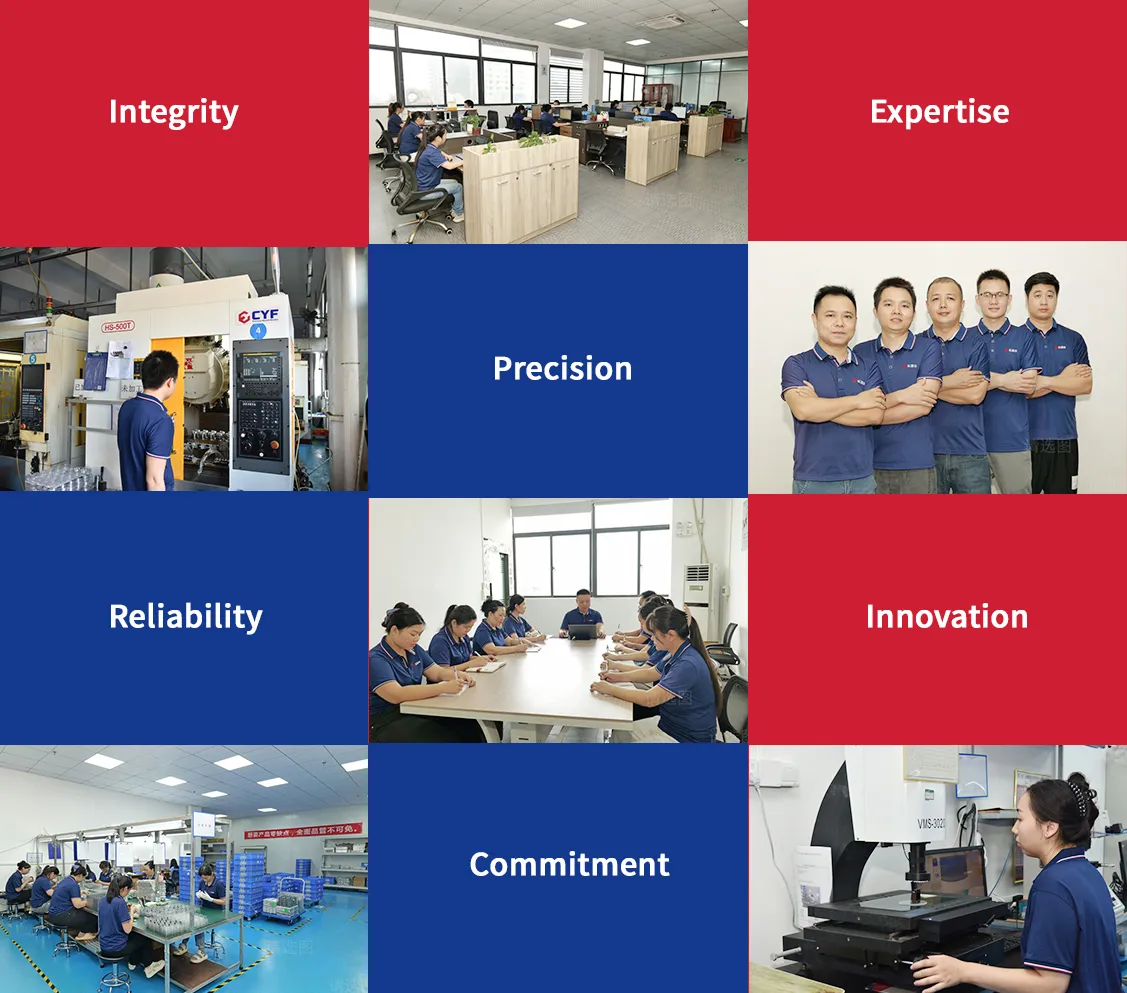
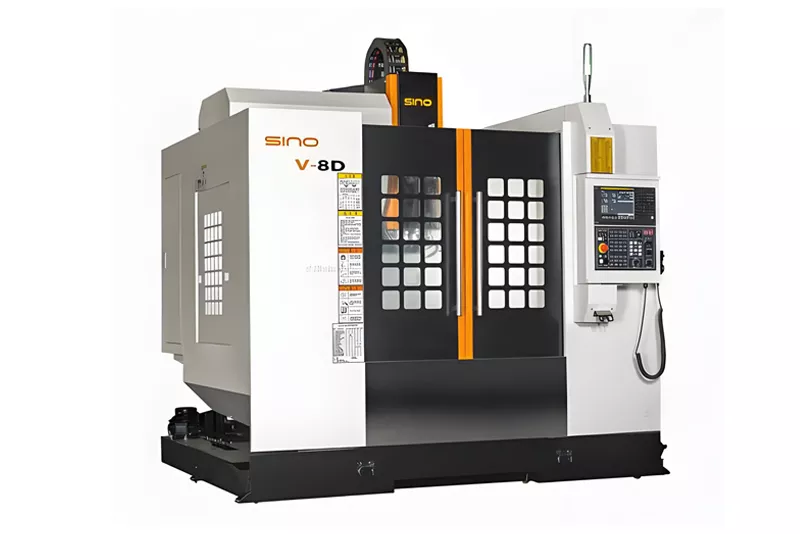
Finding a reliable intelligent manufacturing supplier is a crucial step to ensure project success. The key to screening lies in conducting systematic and multi-dimensional evaluations. Firstly, it is essential to thoroughly examine the supplier's technical capabilities and equipment conditions, including checking the models of intelligent machine tools they possess, precision levels, the age of the equipment, and maintenance records. Secondly, strictly assess their quality control system to understand if they hold international certifications such as ISO, as well as specific incoming material inspection, process control, and finished product testing procedures. Additionally, the supplier's past project experience, especially cases involving products with similar complexity and precision to yours, can directly reflect their actual capability level. At the same time, communication response speed and problem-solving ability are also important considerations; efficient communication can prevent production delays. Finally, don't forget to verify the reliability of their production capacity and delivery schedule to ensure they can meet your production rhythm requirements. By comprehensively reviewing these core elements, you can effectively screen out partners with stable delivery capabilities.
Full Analysis of 5 Key Points
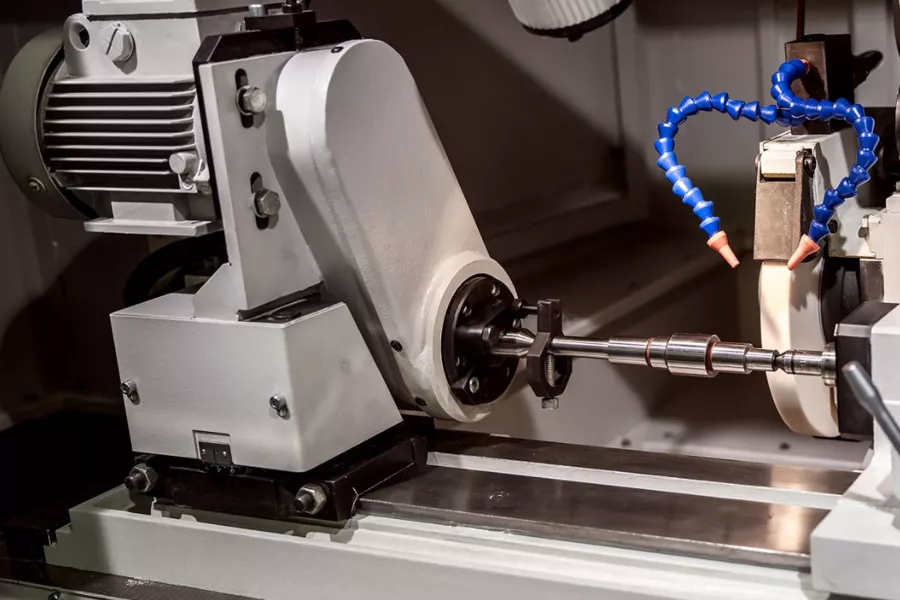
Selecting a suitable intelligent manufacturing supplier requires systematic evaluation of several core dimensions. First, equipment and technical capabilities form the foundation, involving assessment of whether the supplier possesses advanced CNC machine tools, precision measuring instruments, and the ability to meet the required processing accuracy and complexity of the product. A complete quality management system is equally indispensable, encompassing standardized process control, strict quality inspection standards, and relevant industry certification qualifications to ensure stable and reliable product quality. Additionally, production response speed and delivery reliability directly impact project progress; it is important to evaluate their scheduling flexibility, on-time delivery records, and ability to handle unexpected situations. A reasonable cost structure and transparency help reduce procurement risks, requiring attention to whether quotations are clear, free of hidden fees, and an understanding of the rationality of their cost composition. Finally, the supplier's industry experience and reputation are important references; gaining an in-depth understanding of their processing cases in similar product fields, technical expertise, and evaluations from past customers can effectively predict cooperation risks and potential.
Strategies to Improve Production Efficiency
Selecting intelligent processing suppliers with strong production capabilities is a key step in improving overall corporate production efficiency. Excellent suppliers not only possess advanced equipment but also have the ability to manage production processes efficiently. This means they can respond to orders quickly, precisely control production cycles, and avoid delays in subsequent assembly or delivery plans caused by processing Link. At the same time, the standardized production processes and strict quality control systems of suppliers can significantly reduce rework or scrap caused by processing errors, directly saving valuable time costs. In addition, the technical team of the supplier's ability to understand complex drawings and the response speed to quickly solve processing problems are also important factors in ensuring smooth production processes and avoiding unexpected interruptions. By cooperating with such suppliers, your production plan will be more predictable and stable.