
Focus on Precision Manufacturing: Electrolytic Polishing Creates Corrosion-Resistant, High-Gloss Surfaces for Stainless Steel Parts
Electrolytic polishing technology plays a crucial role in modern manufacturing, especially when it comes to smart processing of stainless steel parts. This process effectively smoothes out minor surface defects of the parts through the chemical action of the electrolyte, thereby improving their surface finish. In addition to enhancing aesthetics, electrolytic polishing also excels in increasing corrosion resistance, as the protective film formed after treatment can effectively block the intrusion of external corrosive factors, significantly extending the service life of the parts. Through this technology, manufacturers can produce higher-quality stainless steel products that better meet industry standards, greatly enhancing market competitiveness.
How does electropolishing improve the surface finish and corrosion resistance of stainless steel parts?
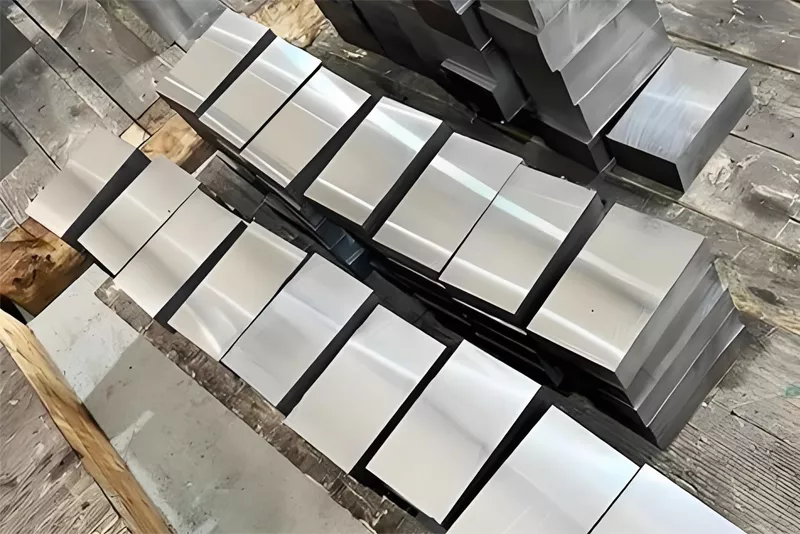
Electrolytic polishing is an effective method that can significantly improve the surface finish of stainless steel parts. This process uses an electrolyte to smooth out and remove tiny indentations and imperfections on the part's surface, resulting in a uniform metallic luster. Compared to traditional mechanical polishing, electrolytic polishing can more deeply remove impurities to achieve a higher level of finish. At the same time, this technology also significantly enhances the corrosion resistance of stainless steel parts. This is because during the electrolysis process, a thin film forms on the surface that effectively isolates external corrosive factors. Research shows that stainless steel parts treated with electrolytic polishing exhibit stronger corrosion resistance in various environments, which has an important impact on their durability in a wide range of industrial applications.
Application and Practice of Electrolytic Polishing Technology in Intelligent Machining
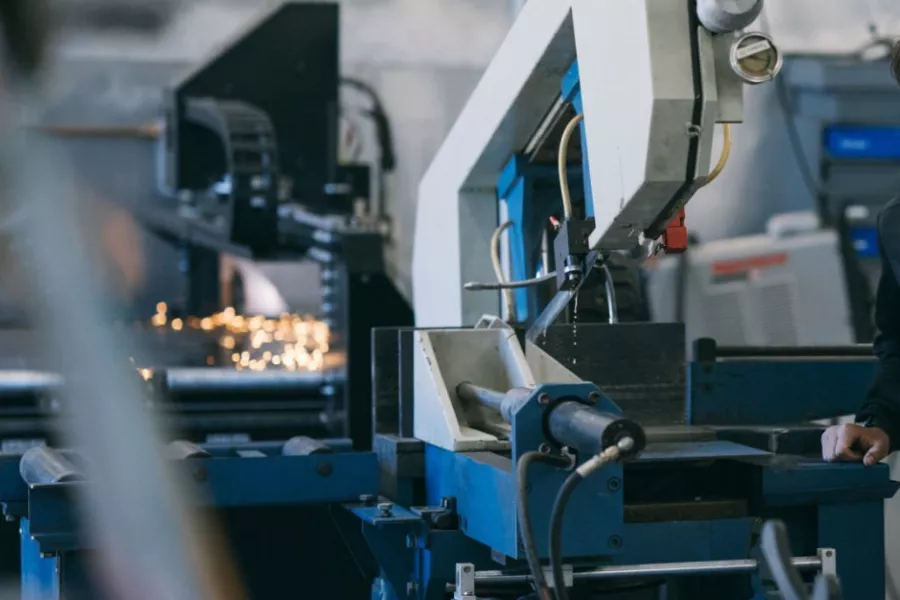
Electrolytic polishing technology is becoming increasingly common in intelligent manufacturing, especially in the processing of stainless steel parts. This technology utilizes the chemical action of the electrolyte to smooth out the minute unevenness on the surface of the parts, achieving the desired level of smoothness. In practice, manufacturers first subject stainless steel parts to intelligent machining to ensure precise shape and dimensions, then immerse them in the electrolyte. Through the action of electric current, polishing is achieved. This not only enhances the product's appearance but also significantly improves the surface's corrosion resistance. Many industries, such as medical equipment and food processing machinery, have extremely high requirements for the surface of stainless steel parts, and electrolytic polishing technology precisely meets these needs. In this way, product quality is improved, and its service life is extended.
Analysis of Electrolytic Polishing Effect on Improving Corrosion Resistance of Stainless Steel Parts、Electrolytic polishing is an effective technique for enhancing the corrosion resistance of stainless steel parts. Through the electrolytic process, minute irregularities on the surface are gradually removed, resulting in a smooth and shiny surface. This clean appearance reduces the adhesion of dirt and impurities, thereby minimizing corrosion sources. Additionally, the flow of electric current promotes a more uniform crystal structure within the metal, further improving its corrosion resistance. Studies show that stainless steel parts treated with electrolytic polishing exhibit significantly enhanced corrosion resistance, particularly in harsh environments. This process not only improves the material's appearance but also ensures its long-term usability.
Unveiling the Impact of Electrolytic Polishing on Stainless Steel Product Quality
Electrolytic polishing enhances the quality of stainless steel parts primarily in terms of surface finish and corrosion resistance. After electrolytic polishing treatment, minor defects on the part's surface are effectively repaired, forming a smooth metal layer. This smoothness not only improves visual appeal but also reduces the adhesion of bacteria and dirt, thereby significantly enhancing hygiene conditions. Additionally, electrolytic polishing can remove oxide layers, making the protective film on the stainless steel surface more uniform and stable, thus increasing its corrosion resistance. Through this process, the durability of parts under chemical and environmental influences is significantly improved. Overall, electrolytic polishing technology plays a crucial role in the manufacturing of stainless steel products, providing high-quality, long-lasting components for the market.
Electrolytic polishing technology brings significant advantages to the surface treatment of stainless steel parts. Notably, through this technology, minor defects on the part's surface can be effectively repaired, not only improving its smoothness but also enhancing corrosion resistance. After electrolytic polishing, a uniform protective film is formed on the metal surface, enabling it to exhibit stronger corrosion resistance when exposed to external environments. In addition, this technology helps improve the overall appearance of products, making stainless steel products more competitive in the market. Therefore, electrolytic polishing plays a crucial role in improving the quality of stainless steel parts and is an indispensable part of modern manufacturing.