
What are the similarities between CNC milling and turning?
CNC milling and CNC turning are both commonly used machining processes in precision manufacturing. Although there are some differences between these two processes, they share some common characteristics. So, let's discuss their similarities.
Save time and improve efficiency
Both of these machining processes require the use of computer numerical control (CNC) technology to achieve precision and repeatability. In this regard, these machines follow instructions from cam software. The cutting tools in these machines follow these instructions to ensure precision. Therefore, both machining processes integrate automation, which helps minimize human error and speed up production. In the long run, manufacturers will be able to achieve mass production.
Material Compatibility
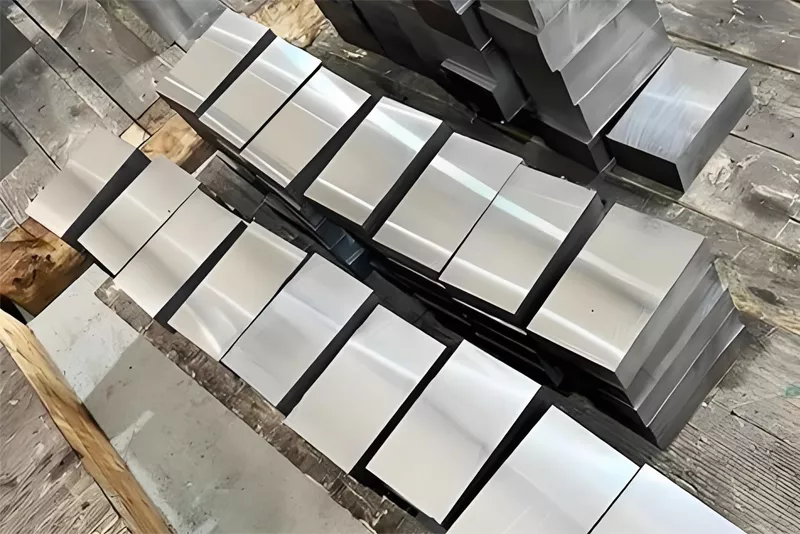
Another interesting similarity between these processes is that they can be used on different materials. They are compatible with metals, wood, plastics, and even composite materials. Their versatility has made them highly favored in various industries such as medical, aerospace, automotive, and construction.
Cutting tool
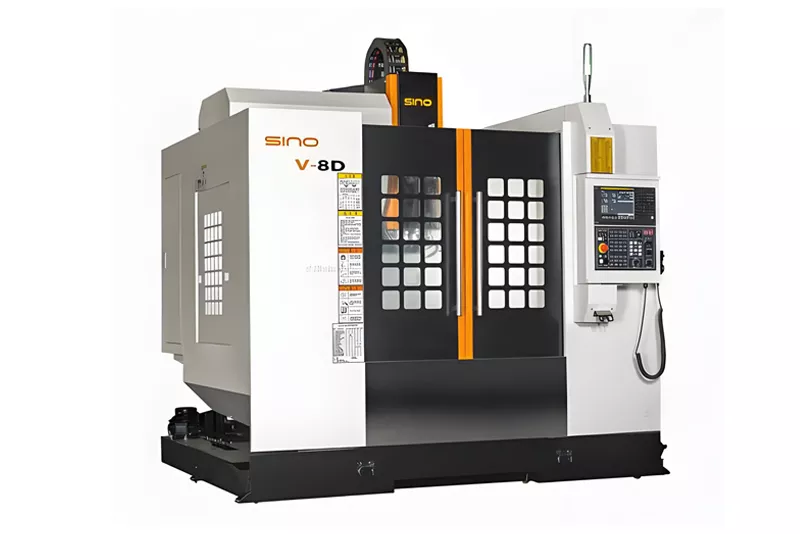
Milling and CNC turning both require the use of cutting tools to remove material from the workpiece. CNC milling machines are equipped with rotating cutting tools that help you achieve the desired shape. CNC turning, on the other hand, requires the use of fixed single-point cutting tools. Additionally, both machining methods require changing tools based on the material and geometry of the workpiece. Both milling and turning also require inspecting and maintaining the tools to extend their service life.
Multi-axis machining
CNC lathe-milling machines can achieve complex geometric shapes through multi-axis operation. Modern CNC milling machines have five-axis capabilities. Traditional CNC milling machines only provide three-axis functionality.
This is similar to CNC lathes, as modern models now include multi-axis functions such as turning centers with live tooling. These lathes integrate milling capabilities during the turning process. With these latest features, you will be able to create complex designs using both CNC milling and CNC turning.
Industrial applications
You can use CNC turning and CNC milling simultaneously in similar applications because both can precisely create complex parts.
For example, in the aerospace field, you can use these two machining methods to produce engine components. Some automobile manufacturers use these two methods to manufacture structural parts such as brackets and axles. The medical industry relies on CNC milling and turning to produce surgical instruments, diagnostic equipment, implants, and medical furniture. CNC turning and milling have many similarities, which are evident in material compatibility, degree of automation, and applications.