
Five-axis machining advantages: key to efficient, high-precision component machining
In today's highly competitive market environment, the importance of precision component machining is self-evident. We recognize that as technology continues to advance and industrial manufacturing upgrades, more and more industries rely on high-quality, precise components to ensure product performance and reliability. Whether in the fields of aerospace, automotive manufacturing, or medical equipment, precision components often determine the success or failure of the final product. Therefore, we must pay attention to every detail in the machining process to ensure that we can produce parts that meet strict standards.
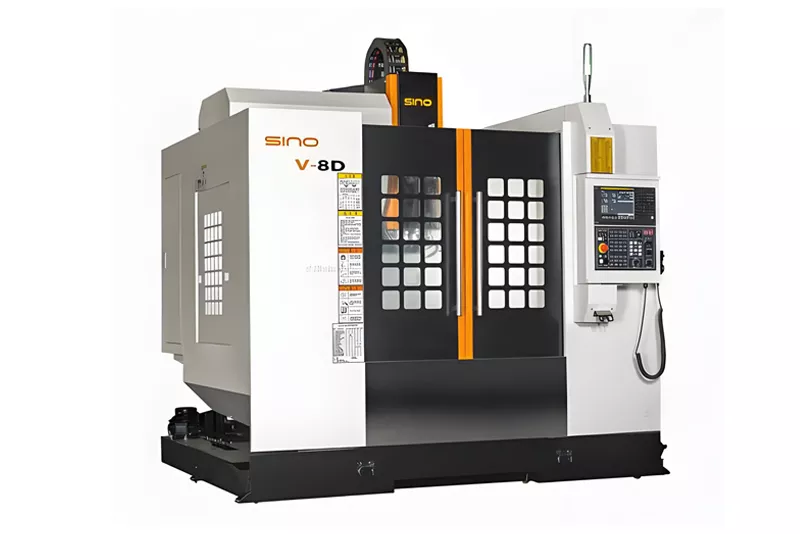
In addition, by optimizing our processing procedures, we can significantly improve production efficiency and reduce waste. This not only enhances our production capacity but also boosts customer satisfaction, thereby strengthening the company's competitiveness in the market. Throughout this process, we should also consider the impact of machine tool selection on processing quality and efficiency. When it comes to precision component machining, the advantages and specialized functions of different types of machine tools can help us handle high-standard production with ease. Therefore, understanding the importance of precision component machining can lay a solid foundation for our future development and guide us to make more strategic decisions.
Analysis of the Advantages of Five-Axis Machine Tools
When we discuss five-axis machine tools, the first point to mention is their significant advantages in machining accuracy. Five-axis machine tools can achieve more complex cutting paths in space, which means we can complete more machining steps in a single fixture setup. This precision machining technology can effectively reduce workpiece clamping time, thereby improving production efficiency. In addition, five-axis machine tools have strong flexibility and can process various parts and components with complex shapes and structures. Especially in high-precision industries such as aerospace and automotive, their importance is self-evident.
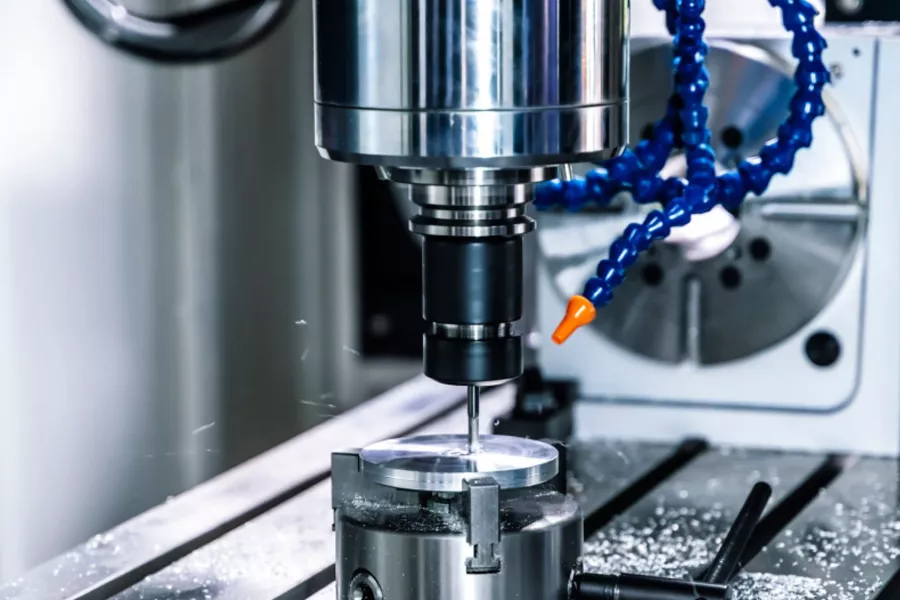
By comparison, while four-axis machine tools can also achieve good precision, they often face technical limitations when processing complex shapes. The dynamic control technology used in five-axis machine tools allows us to complete cutting operations at higher speeds and significantly reduces tool wear. In terms of material utilization, five-axis machine tools can minimize waste through more comprehensive machining methods. This is not only beneficial for environmental protection but also helps reduce production costs and enhance our market competitiveness.
In the long run, as technology continues to advance and automation levels improve, we believe that the application of five-axis machine tools in the precision component processing industry will become increasingly widespread, bringing us more opportunities and challenges in production.