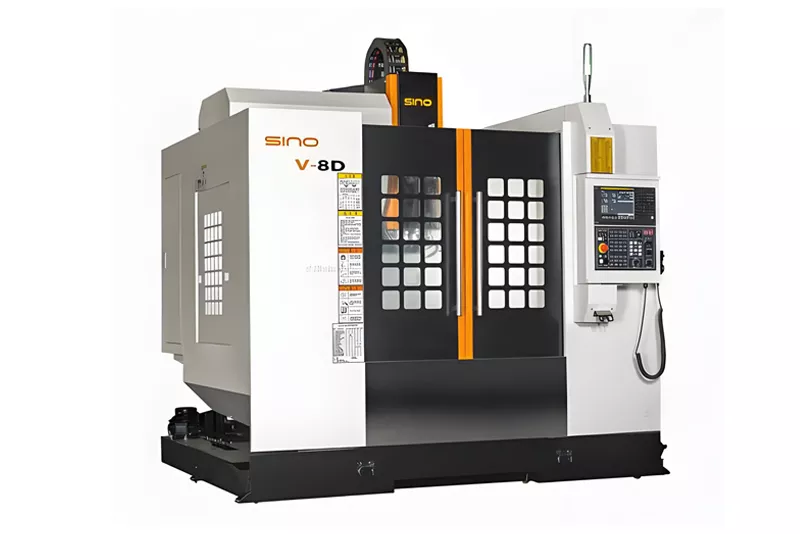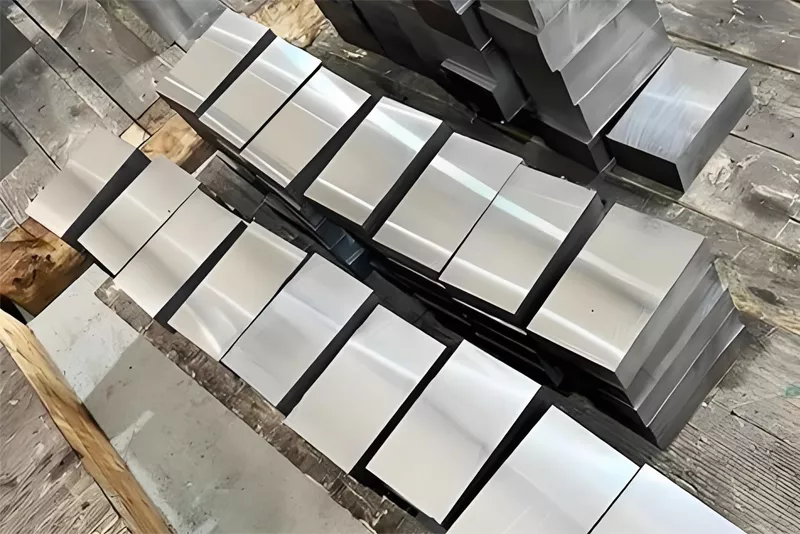

Eliminate human error: Smart manufacturing automation ensures precision batch consistency.
In the wave of upgrading and transformation towards high-end and intelligent manufacturing, 'precision manufacturing' and 'intelligent machining' are core keywords. From core components in aerospace to precision structures in electronic consumer products, intelligent machining, with its advantages of high precision, high efficiency, and high stability, has become a key support for precision manufacturing. This article will analyze the core connection between the two, their technical advantages, application scenarios, and development trends.
Cognitive Core: The Intrinsic Connection Between Precision Manufacturing and Intelligent Machining
The core requirements of precision manufacturing are 'accuracy' and 'stability', which necessitate producing products with extremely high standards in dimensional accuracy, shape accuracy, positional accuracy, and surface quality. Intelligent machining (computer numerical control machining) controls machine tools through computer programs, converting digital instructions into precise actions to achieve automated and high-precision processing of workpieces.
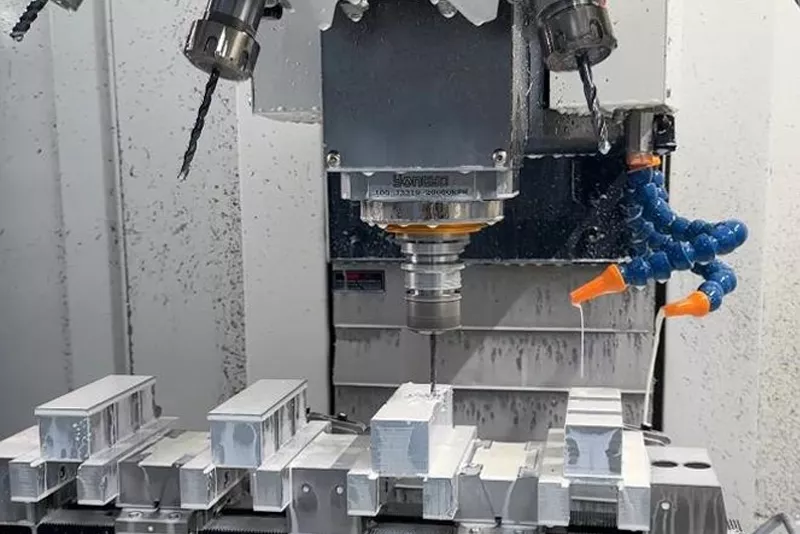
Intelligent machining is the core implementation method of precision manufacturing. Traditional mechanical machining relies on manual operation, and its accuracy is easily affected by interference, making it difficult to meet precision requirements. In contrast, intelligent machining avoids human error through digital control, achieving precision at the micrometer level or even the nanometer level, and ensuring consistency in mass production. The two complement each other: the upgrading of intelligent technology drives the improvement of precision manufacturing levels, while the demand for precision manufacturing in turn drives innovation in intelligent manufacturing technology.
Technical Advantages: Intelligent Processing as the Core Capability Supporting Precision Manufacturing
As a core technology in precision manufacturing, intelligent machining possesses multiple irreplaceable advantages, forming a technological barrier in precision manufacturing and is also the core reason why enterprises choose this technology.
Ultra-high machining precision to meet precision requirements: The intelligent machining accuracy depends on the precision of machine tools and programs. Modern high-end intelligent manufacturing machine tools have positioning accuracy up to the 0.001mm level, which can accurately control tool cutting parameters to ensure workpiece accuracy. For example, in the electronics industry for mobile phone chip carrier processing, key dimensions such as groove width and hole diameter can have errors controlled at the micrometer level, ensuring chip adhesion and stable equipment operation.
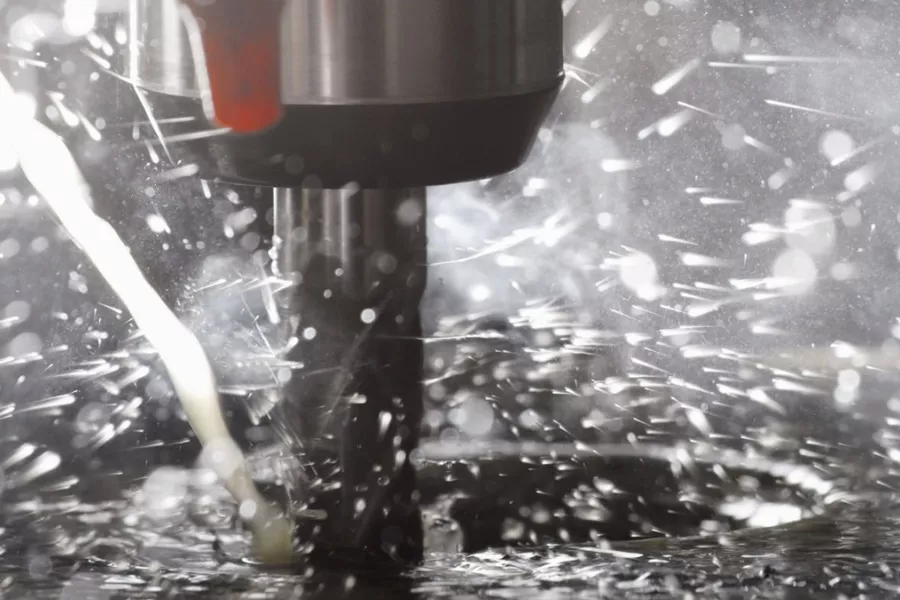
High degree of automation improves production efficiency: Intelligent manufacturing processing achieves automated batch production through programs, requiring no frequent manual intervention, thus significantly reducing labor costs and enhancing efficiency. At the same time, it can integrate multiple processes such as milling, drilling, boring, and tapping, reducing the number of workpiece clamping times, lowering clamping errors, and shortening production cycles.
Strong stability ensures batch consistency: Precision manufacturing requires ensuring consistency in batch production. Traditional manual processing is affected by factors such as workers' technical skills and fatigue, leading to large fluctuations in precision. Intelligent manufacturing processing is precisely controlled by programs, with unified processing steps, which can ensure consistent precision of batch workpieces, reduce the rejection rate, and this advantage is particularly critical in fields such as automotive parts and medical equipment.
Flexible machining, adapting to diverse needs: Market demand for personalization and diversification has driven the need for flexible machining in precision manufacturing. Smart intelligent machining can switch between workpieces by simply modifying the program, without the need for large-scale adjustments to machine tools, enabling a rapid response to market changes. For example, customized medical equipment machining can adjust the program as needed, and in the aerospace field, it can flexibly adapt to the processing of different model products.
Application Scenarios: Multi-domain Practices of Intelligent Processing Empowering Precision Manufacturing
Leveraging its core technological advantages, intelligent processing is widely applied in multiple fields of precision manufacturing, driving the high-end development of various industries. The following is an analysis of typical application scenarios:
Aerospace field: Ultimate precision ensures flight safety
The aerospace field has extremely high requirements for the precision and reliability of components, and core parts such as engine blades and landing gear all require precision manufacturing. Intelligent machining can accurately process complex structures (such as the curved surfaces of engine blades), ensuring aerodynamic performance, and can also machine high-strength materials such as titanium alloys and high-temperature alloys to meet high-temperature and high-pressure requirements. For example, a certain aviation engine blade, through five-axis intelligent machining, controls the surface precision error within 0.005mm, ensuring flight safety.
Consumer Electronics: Compact and Precise to Enhance Product Experience
Electronic consumer products are moving towards lighter, thinner, and smaller designs, leading to a surge in demand for precision structural components such as phone mid-frames and camera modules. Intelligent machining can achieve high-precision, small-scale processing of electronic parts, accurately controlling dimensions like mid-frame thickness and hole diameter to ensure assembly accuracy. It can also process materials such as aluminum alloy and stainless steel to enhance product quality. Its efficiency can meet the needs of large-scale production, ensuring market supply.
Medical Device Field: Precise Matching Ensures Diagnostic and Therapeutic Effectiveness
The precision of medical devices directly relates to the effectiveness of diagnosis and treatment and patient safety. Minimally invasive surgical instruments, artificial joints, and others all require extremely high precision. Intelligent machining can accurately process the complex structures of instruments (such as the long, slender rods of minimally invasive surgical instruments), ensuring operational flexibility; for implantable devices like artificial joints, it can machine biocompatible materials such as titanium alloys and ceramics, controlling surface smoothness and dimensional accuracy to reduce rejection reactions. For example, through intelligent machining, artificial dental implants can control thread precision within 0.01mm, enhancing stability and service life.
Automotive Industry: High-end Manufacturing Enhances Vehicle Performance
The electrification and intelligent transformation of the automotive industry are driving the demand for precision manufacturing of high-end components. New energy vehicles require high-precision processing for parts such as battery casings and motor rotors. Intelligent machining can accurately process complex structures, improve assembly accuracy and operational stability, and also process lightweight and high-strength materials like aluminum alloys and carbon fiber composites, thereby reducing vehicle weight and enhancing range. For example, battery casings undergo intelligent machining through laser cutting and milling to precisely control dimensions and sealing performance, ensuring battery safety.