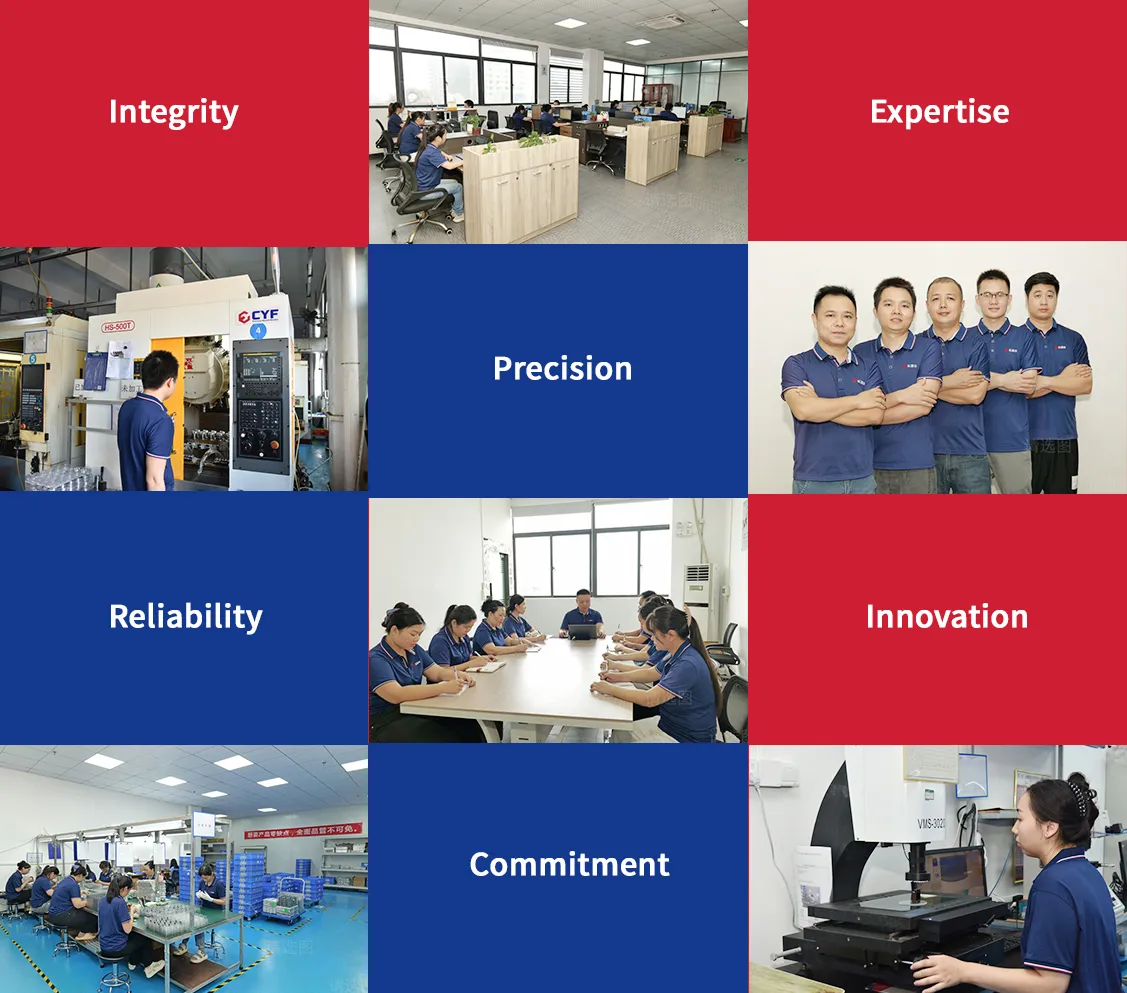

Applications of Intelligent Precision Manufacturing in the Medical Industry: Creating High-Precision Medical Component Solutions
Intelligent precision manufacturing refers to an advanced production method that uses computer numerical control technology to process materials with high precision. Our applications in this field cover multiple industries such as medical equipment, aerospace, and automotive manufacturing. In the medical field, intelligent technology is widely used to produce various complex-shaped precision parts, such as prostheses, implants, and surgical instruments. In these applications, intelligent manufacturing can not only meet extremely fine design requirements but also satisfy strict quality standards and safety needs.
Through intelligent manufacturing processing, we can convert design drawings into actual products with a high degree of repeatability, which is particularly important for the medical industry. By means of highly automated and intelligent manufacturing processes, we ensure the consistency and reliability of parts. In addition, intelligent manufacturing technology also supports rapid prototyping, allowing us to perform multiple iterations in a relatively short period of time, promptly adjust product designs to adapt to constantly changing market demands and technological advancements.
Along with its widespread adoption, intelligent precision manufacturing has become a key factor in driving the development of medical devices. This technology has played an important role in improving production efficiency and ensuring product quality, providing strong support for the pharmaceutical industry and healthcare institutions. By understanding and mastering the basic concepts and applications of intelligent precision manufacturing, we can better grasp the future development direction of the medical industry.
Technical Advantages of Manufacturing Medical Precision Parts
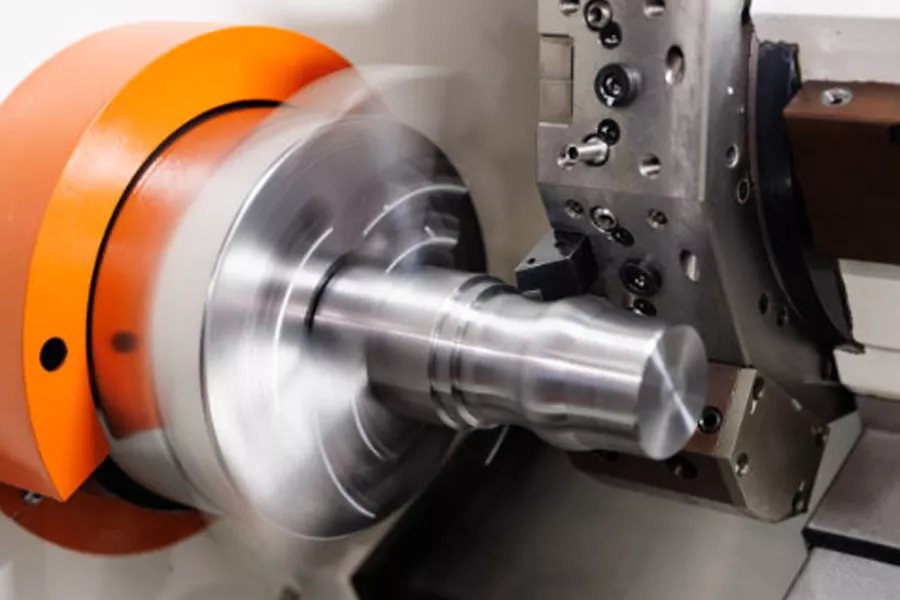
In the manufacturing process of medical precision parts, intelligent precision manufacturing has demonstrated its highly accurate machining capabilities. Through this technology, we can achieve machining precision at the micrometer level, which is crucial for meeting the high requirements of medical devices in terms of safety and reliability. This high precision not only ensures the functionality of the parts but also significantly reduces errors during the assembly process, improving the overall performance and stability of the equipment. In addition, intelligent manufacturing technology can handle parts of various complex shapes and materials, providing great support for flexibility in product design.
At the same time, rapid prototyping and iteration are another important advantage of intelligent precision manufacturing. We can complete the production of product samples in a short period of time, which not only shortens the development cycle but also allows the design team to receive feedback promptly and make adjustments. This flexibility enables medical devices to adapt more quickly to market demands during the launch process, enhancing competitiveness. Additionally, through repeated iterations, we can continuously optimize product design and improve its clinical applicability to better meet the needs of doctors and patients. Therefore, in the modern medical industry, intelligent precision manufacturing technology is undoubtedly a driving force for our continuous progress.
The importance of intelligent manufacturing processing centers in the medical industry
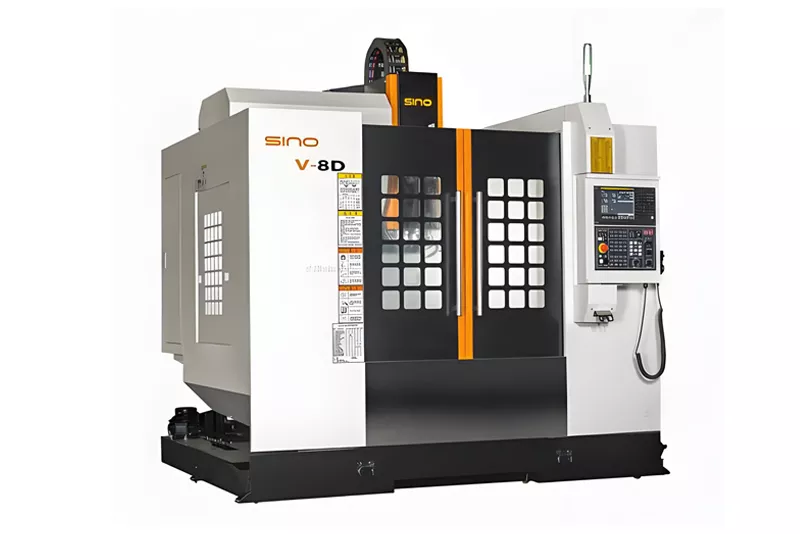
In the medical industry, intelligent manufacturing machining centers play an indispensable role. Firstly, they provide us with highly precise machining capabilities, enabling medical precision parts such as surgical instruments, implants, and various laboratory equipment to meet the strictest quality standards. Such precision not only ensures the safety and effectiveness of products during use but also promotes the development of personalized medicine. Secondly, the rapid prototyping capability of intelligent manufacturing machining centers allows us to quickly iterate designs and update them according to clinical needs, thereby shortening the R&D cycle and reducing costs. This is of great significance for the continuous progress and innovation of medical technology. In addition, the flexibility of intelligent manufacturing machining centers enables them to adapt to the machining requirements of different materials and complex-shaped parts, which is particularly important when facing a diverse range of products. Through continuous technological advancement, intelligent manufacturing machining centers are gradually becoming an important tool for enhancing the competitiveness of the medical device industry.
How to Choose the Right Intelligent Precision Parts Machining Service
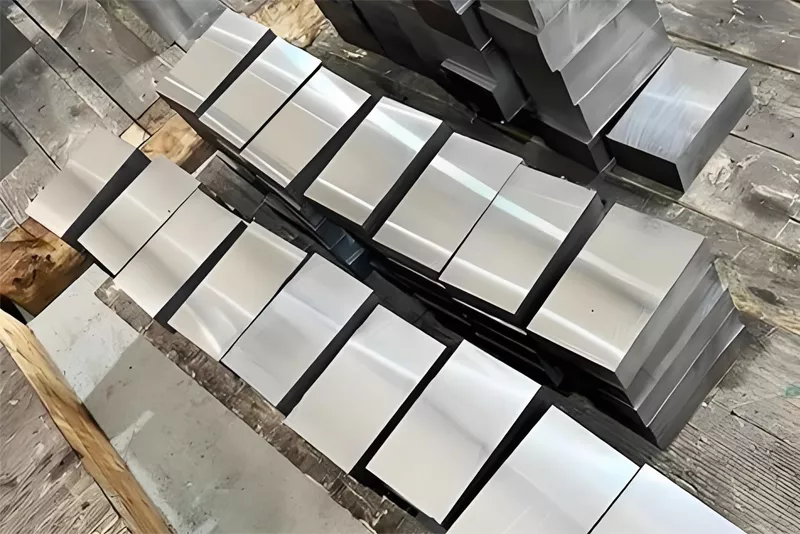
When selecting appropriate intelligent precision parts machining services, we should focus on several key factors to ensure that the final medical parts meet the expected quality standards. First, understanding the supplier's technical capabilities is crucial. We need to evaluate the equipment and technologies they use to ensure they have advanced intelligent machining capabilities and can handle specific materials and complex designs. Additionally, the supplier's past project cases can reflect their professionalism. By reviewing customer reviews, we can obtain genuine feedback from customers regarding their capabilities and service quality.
Secondly, service flexibility is equally important. We hope to find partners who can adjust production plans, provide samples, and modify solutions in a timely manner according to our needs. A good processing service provider should be able to respond to our changing needs within a short time to meet the requirements of the medical industry for rapid product iteration and quick market launch.
Finally, cost control cannot be overlooked. We need to compare with multiple suppliers under the premise of ensuring quality and efficiency to find the most cost-effective solution. By comprehensively evaluating these factors, we can select suitable and reliable intelligent precision parts processing services, which will provide strong support for our medical projects.
Current Development Trends and Future Outlook of Intelligent Manufacturing Technology
As technology continues to advance, we are witnessing the application of intelligent precision manufacturing technology in the medical field gradually expanding, and several obvious trends are emerging. First, the introduction of intelligent technologies has made intelligent manufacturing processes more efficient and precise. By combining artificial intelligence with machine learning, we have enhanced the automation level of equipment, significantly reducing human errors and increasing productivity.
Secondly, the demand for personalized medicine is constantly rising, which drives intelligent manufacturing technologies to develop in a more flexible and refined direction. We can quickly customize medical components according to the needs of different patients to meet the implementation of personalized treatment plans. In addition, the application of advanced materials is continuously broadening our horizons. In the production of medical devices, new high-performance materials such as biocompatible materials and lightweight alloys have significantly improved product performance.
Finally, we should focus on the major trend of sustainable development. An increasing number of manufacturers are exploring green manufacturing, achieving environmental goals by optimizing processing processes, reducing waste, and using recyclable materials. This is not only a requirement for industry development but also a societal expectation for corporate social responsibility. Against this backdrop, we are full of confidence in the future prospects of intelligent precision manufacturing in medical parts, as it will lead the industry toward higher levels of development.