
The robotics boom is set to take machine tool automation to the next level.
Smart manufacturing is becoming increasingly prevalent, and China is also experiencing the pains of upgrading from a major manufacturing country to a manufacturing power. Although many manufacturing companies face obstacles in the process of transformation and upgrading, for the industry as a whole, it is necessary to significantly improve technological levels in order for Chinese manufacturing to have greater influence on the world stage.
Under the impetus of 'Made in China 2025', the development of numerical control machine tools, industrial robots, and 3D printing has now shown a steady upward trend. Today, let's talk about the development prospects of these three industries.
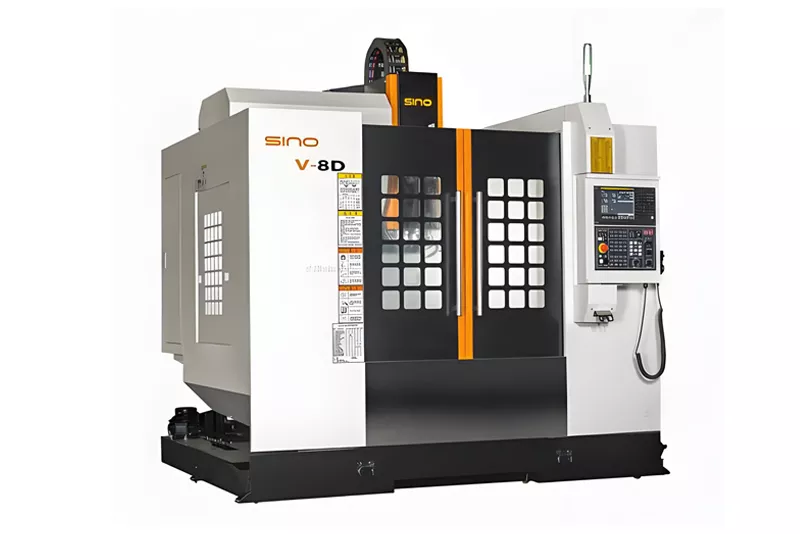
When it comes to the core of current manufacturing development, the author believes that nothing is more critical than machine tools. As the "mother of industry," the dominant position of machine tools in manufacturing cannot be replaced in a short time. In the metal processing industry, the key factor determining product quality remains "machine tools." Only when the quality and technological sophistication of machine tools improve can the overall strength of manufacturing reach new heights.
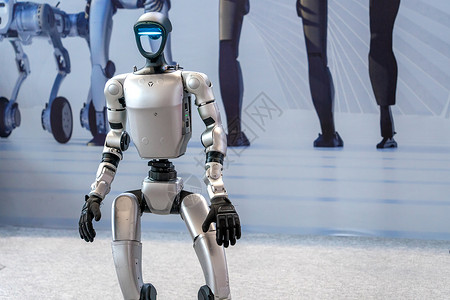
In 2017, the most discussed topic in manufacturing was "robots." For the manufacturing sector, robots are no longer unfamiliar, so why did they become a "buzzword" in 2017? Ultimately, it traces back to the development environment of China's manufacturing industry.
With the disappearance of the demographic dividend and the rising cost of labor in China, more and more companies are opting to purchase industrial robots to replace human workers and reduce production costs. Some time ago, an article on this website titled "Why Are Many People Unwilling to Become Skilled Workers? Listen to What Netizens Say" sparked widespread discussion among netizens. Due to various reasons mentioned in the article (which the author will not elaborate on here), China's skilled workforce has temporarily encountered a situation of "a shortage of successors."
Not only is there a shortage of labor, but the long-standing low-level competitive landscape of China's manufacturing industry has also yet to change. The decline in overall social demand has led to intensified market competition, making "survival or demise" a serious and unavoidable choice for every enterprise. In such a scenario, improving production efficiency and reducing costs have become urgent new demands, naturally making "robots" a means of competition.
The popularity of "robots" will gradually taper off as automation increasingly replaces manual labor. Once automation reaches a certain threshold, attention will inevitably shift back to the machine tool industry, as only when the manufacturing level of machine tools catches up with leading industrial nations can the upstream and downstream sectors of the industry achieve better development.
Moving beyond machine tools and robots, let's discuss 3D printing. Although 3D printing technology has gained popularity in recent years as a manufacturing method, its development history is actually quite extensive. The sudden resurgence of interest can be attributed to significant advancements made by Europe and the United States in 3D printing technology, along with major breakthroughs in practical applications.
While 3D printing can still be considered an emerging technology, it inevitably follows the typical development trajectory of such innovations: slow progress in the initial stages, followed by rapid expansion once technological breakthroughs occur. Currently, the key constraint on 3D printing technology is materials. With breakthroughs in material science, 3D printing will unleash immeasurable potential and largely reshape the landscape of manufacturing.
At present, there remains a substantial gap between China and other countries in 3D printing technology. Hope lies in China's top researchers achieving greater breakthroughs in the field of materials science.
In summary, the path toward intelligent manufacturing in China is still long. However, regardless of the challenges, this path must be taken—and not just taken, but traversed with excellence, ensuring that all "Made in China" products become widely acclaimed works.