
Innovative technologies lead the future, and here's a guide to upgrading profile processing equipment
In today's rapidly developing industrial era, innovation-driven technology leading the future has become the core development trend of the profile processing industry. The continuous emergence of efficient and intelligent equipment not only improves production efficiency but also significantly reduces production costs. Upgrading profile processing equipment is undoubtedly one of the key paths for enterprises to achieve technological innovation and enhance market competitiveness. This article will deeply explore how to promote profile processing equipment to new heights through innovative technologies from three aspects: the importance of technological upgrades, current mainstream innovative technologies in the market, and how enterprises can effectively carry out equipment upgrades.
I. Necessity of Upgrading Profile Processing Equipment
Profile processing equipment is an indispensable part of the manufacturing industry and is widely used in construction, automotive, aerospace, and other fields. With the diversification and personalization of market demands, the limitations of traditional equipment have become increasingly evident, mainly reflected in the following aspects: Low Production Efficiency: Traditional machinery equipment often relies on manual operation, resulting in low production efficiency and difficulty in meeting the demands of large-volume orders. High Energy Consumption and Costs: Older equipment generally suffers from high energy consumption and expensive maintenance costs, which undeniably increase the operational burden on enterprises in the long run. Insufficient Precision: With the increasing demand for high-precision profile processing, traditional equipment fails to meet the requirements of complex processing tasks, leading to ineffective quality assurance of products. Therefore, in response to the above issues, enterprises must upgrade their equipment by introducing innovative technologies and optimizing production processes to better adapt to the changing market demands.
II. Innovative Technologies in Current Profile Processing Equipment
The advancement of modern technology has introduced numerous cutting-edge innovations to the profile processing industry, primarily reflected in areas such as intelligence, automation, and environmental sustainability. Below are some of the most representative innovative technologies.
Intelligent Technology
Intelligent technology serves as the core driving force for upgrading profile processing equipment. By integrating advanced Industrial Internet of Things (IoT) systems, equipment can achieve self-monitoring, fault prediction, and automatic optimization. Such technologies not only reduce manual operations but also significantly enhance production efficiency and product quality. Data indicates that intelligent equipment can improve production efficiency by 30% to 50%.
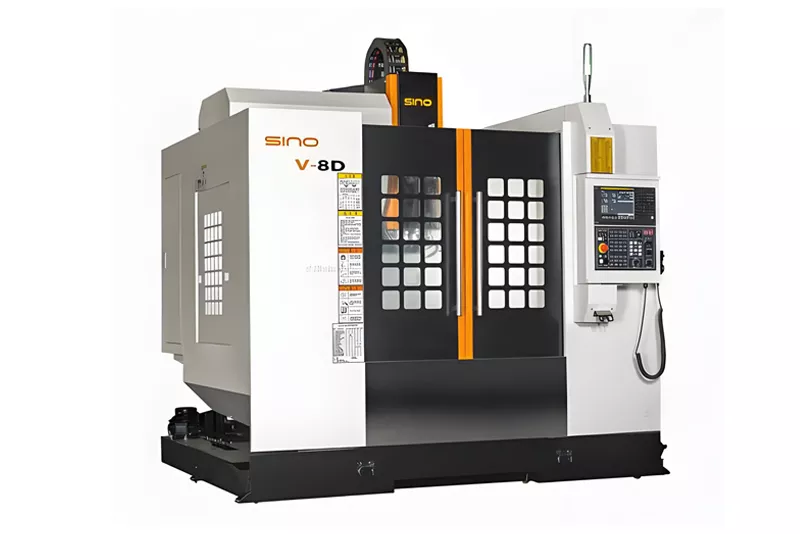
Automation Technology Automation is an inevitable trend in the development of modern processing equipment. Through the introduction of robotic arms, automatic feeding systems, and automated cutting technologies, profile processing has achieved unmanned operations. In recent years, equipment with CNC (Computer Numerical Control) capabilities has gained particular popularity, as it can automatically adjust processing paths based on design blueprints, greatly reducing human errors and enabling the machining of complex component shapes. For example, in the field of aluminum profile cutting, enterprises utilizing automated equipment have seen processing efficiency increase by nearly 40%.
Laser Cutting Technology As a representative of high-precision processing, laser cutting technology has been widely adopted in profile processing in recent years. It is characterized by high efficiency, environmental friendliness, and exceptional accuracy, making it particularly suitable for cutting complex curved surfaces and processing small components. Compared to traditional cutting methods, laser cutting equipment improves cutting speed by 30% and reduces error rates by 10%. The application of this technology not only minimizes material waste but also significantly lowers post-processing costs.
Green and Sustainable Technologies With the gradual tightening of environmental policies, the profile processing industry is also exploring more eco-friendly equipment and technologies. For instance, energy-efficient equipment, low-emission welding technologies, and efficient recycling systems are becoming increasingly widespread. These technologies enable efficient production while reducing energy consumption and carbon emissions, aligning with current sustainable development needs.
III. Guidelines for Upgrading Profile Processing Equipment In the face of rapidly evolving technological advancements, enterprises must develop clear strategies when upgrading equipment to ensure optimal return on investment. The following are key steps to consider:
Evaluate Existing Equipment Conditions Before upgrading equipment, enterprises should conduct a comprehensive assessment of their existing machinery to identify issues such as aging or inefficiency. By analyzing data, they can pinpoint the weakest links in the production process and implement targeted optimizations. For example, if manual operations are found to be a bottleneck in efficiency, introducing automated equipment could be a viable solution.
Select Suitable Upgrade Solutions Equipment upgrades should not focus solely on adopting the latest technologies. Instead, enterprises should choose solutions that align with their specific circumstances. Based on production needs and budget constraints, companies can selectively introduce intelligent, automated, or other advanced technologies. When implementing new technologies, compatibility and scalability must also be considered to avoid additional investments in the future.
Strengthen Employee Skill Training After equipment upgrades, employee skills must also be enhanced accordingly. Enterprises should provide timely training on the operation of new equipment to ensure employees can proficiently utilize the new technologies, thereby maximizing equipment performance. Data shows that systematically trained employees can improve operational efficiency by 20%.
Enhance Equipment Maintenance and Upkeep Regular maintenance and upkeep are critical to ensuring the long-term and efficient operation of upgraded equipment. Enterprises should establish comprehensive maintenance protocols, regularly inspect equipment performance, and conduct timely maintenance and troubleshooting. Through effective maintenance, companies can extend the lifespan of their equipment and reduce operational costs.
IV. Conclusion Innovation technology is shaping the future of the profile processing equipment industry.
Equipment upgrades are not only an inevitable choice for enterprises to keep pace with technological advancements but also an effective means to enhance market competitiveness. From intelligent and automated technologies to laser cutting systems, the application of each innovation has delivered significant performance improvements for businesses. For enterprises, adopting a scientific and rational approach to equipment upgrades, complemented by employee training and robust maintenance practices, is key to gaining a competitive edge in the market. By embracing technological advancements, the industry can achieve comprehensive improvements in production efficiency, product quality, and environmental sustainability, paving the way for a brighter future in profile processing.