
The difference between machined aluminum and machined steel profiles
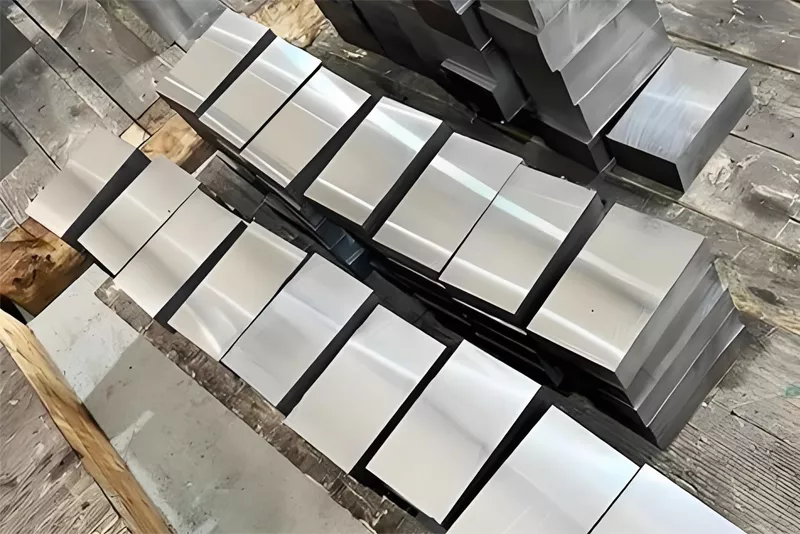
Many customers ask, 'If I want to process steel, can your profile machine handle it? Isn't your profile machine designed for aluminum?' In fact, when it comes to machining aluminum or steel with a profile machine, there is not much difference in the essence of milling. What affects the machining more are the machining parameters and efficiency. We know that different series of aluminum alloys (such as 6xxx and 7xxx series) have different hardness levels. Similarly, different types of steel (such as Q235 carbon steel, 45# steel, and S136 tool steel) also vary in hardness.
Today, let's talk about their differences from the perspective of processing technology.
1: Cutting Parameters and Efficiency
Aluminum Machining: More focused on high-speed cutting, utilizing high spindle speeds and feed rates. Within the allowable rigidity of the machine tool, large cutting depths and feeds are employed to achieve efficient material removal. The priority in aluminum machining is high processing efficiency.
Steel Machining: Lower spindle speeds and relatively lower feed rates are adopted. Limited by cutting forces and tool capacity, cutting parameters should be relatively conservative. Balance efficiency while ensuring tool life and machining accuracy.
2. Tool Selection
Aluminum Processing: Select different types of tools based on the hardness of the material. The main characteristics are large rake angles, large relief angles, and large chip grooves to reduce tool adhesion during machining.
Steel Processing: Select different types of tools based on the hardness of the material. The main characteristics are smaller rake angles and stronger cutting edge strength to withstand greater cutting forces and heat. More emphasis is placed on wear resistance and heat resistance.
3. Cooling and Lubrication
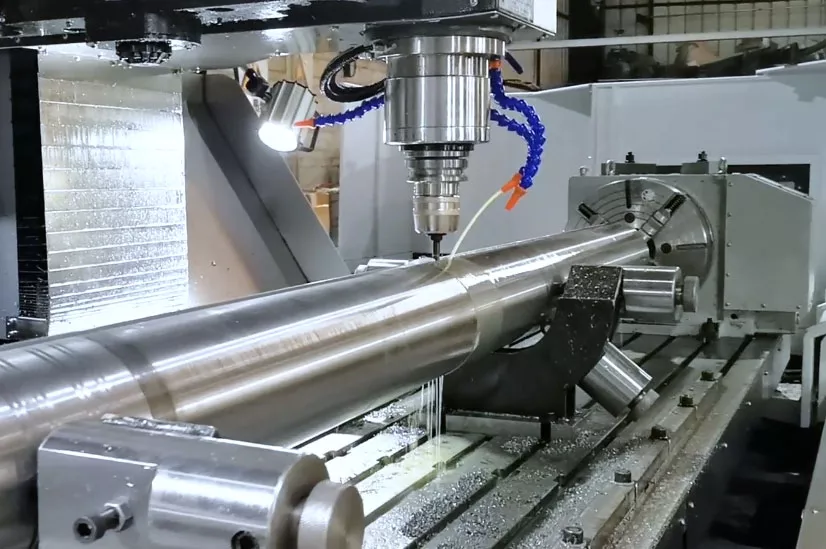
Aluminum Processing: Dry or wet methods (air blowing or coolant spraying) can be selected. The primary purpose is chip removal during processing rather than temperature reduction.
Steel Processing: A large amount of coolant must be used to cool the tool and lower the processing temperature, preventing thermal wear and workpiece thermal deformation. Lubrication reduces friction and cutting force.
4. Machine Rigidity
Rigidity in machining is always relative. For aluminum or steel, insufficient machine rigidity can lead to vibrations or chatter during cutting. However, adjusting or reducing certain parameter values can also improve this situation.
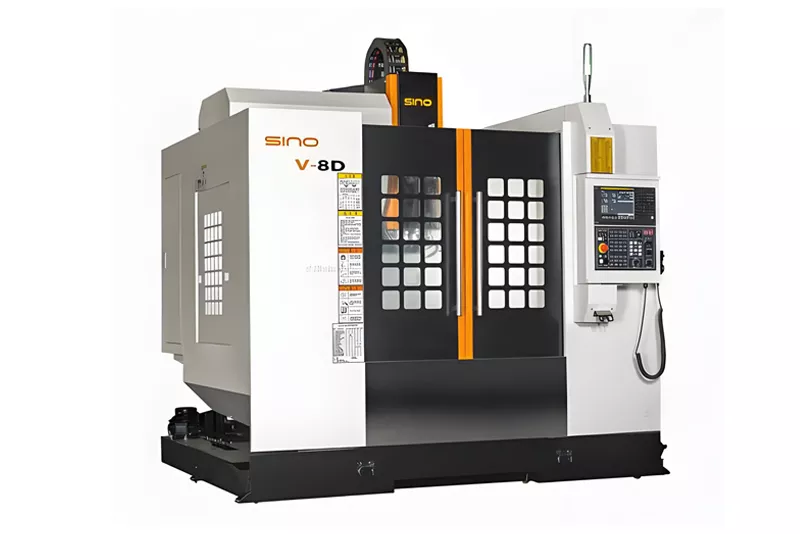
Therefore, for profile machines, machining both aluminum and steel parts is feasible. More consideration is given to the issue of machining efficiency over the long term, tailored to the specific product categories being processed. Choose a machine that is more suitable for your needs. There are many types of profile machines available, each designed for different industries. For example: new energy vehicle industry, module industry, roller shaft industry, and aviation industry. The configurations will also differ depending on the materials being machined. Contact us to recommend a machine that is more suitable for you.