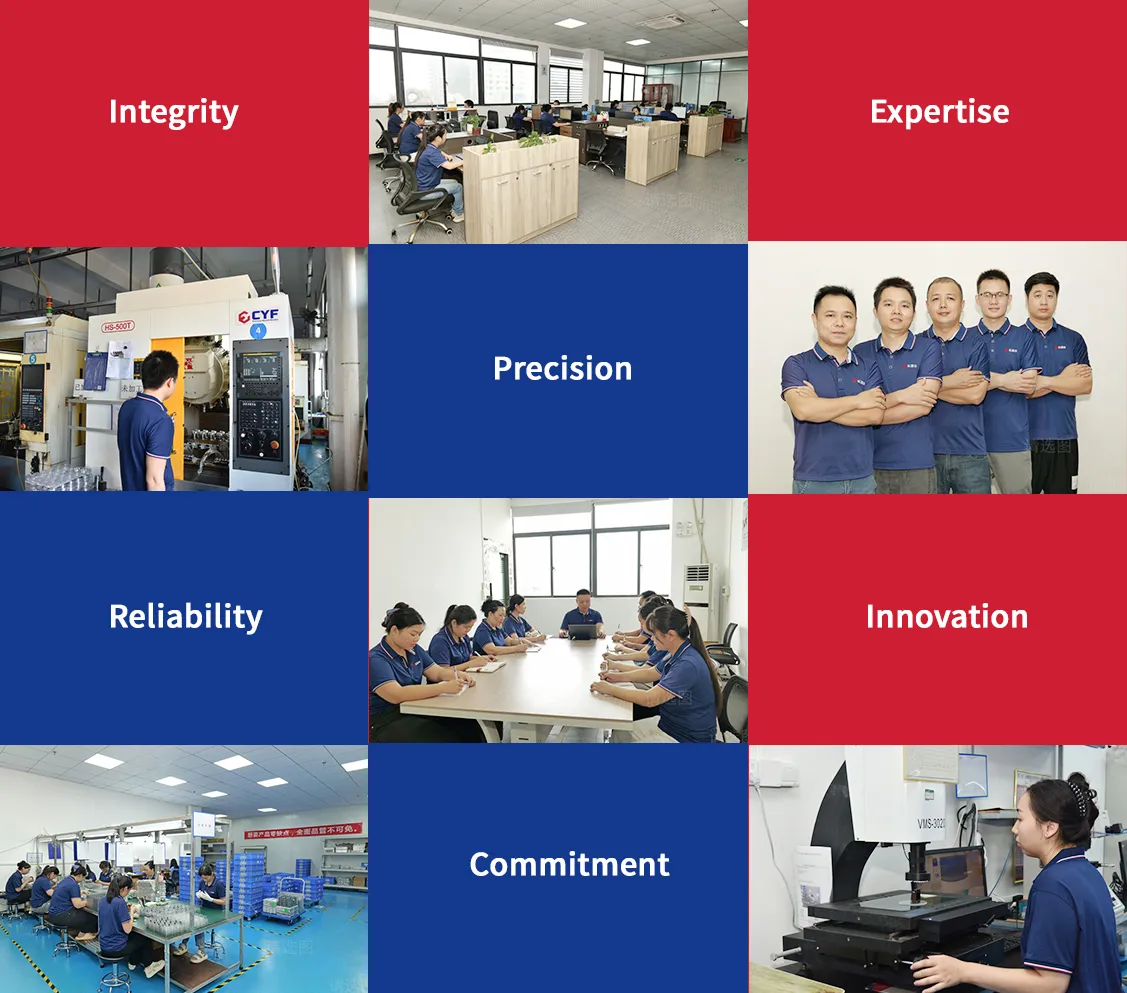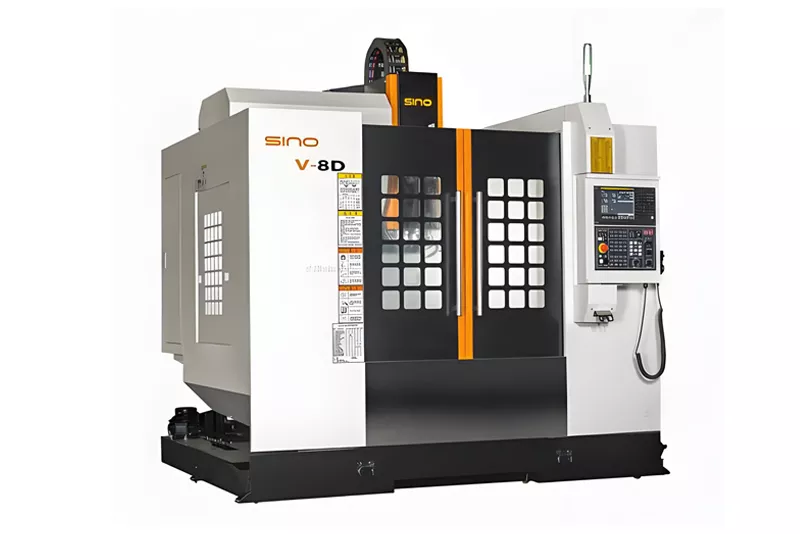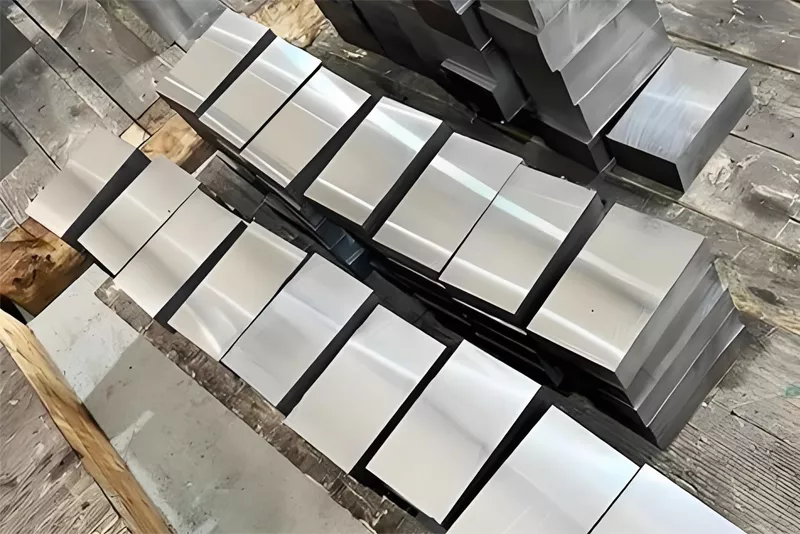

Intelligent Precision Manufacturing: Core Technology for Enhancing Production Efficiency and Product Quality
Intelligent precision manufacturing is an advanced manufacturing model that integrates technologies such as computer numerical control, modern sensing, and data analysis to implement precise control over processing equipment, enabling the production of high-precision and highly consistent products. In the modern industrial system, its strategic value is increasingly prominent, having become a key support for driving industrial upgrading. From the perspective of production efficiency, this technology can accurately complete the machining and forming of complex and irregular parts while minimizing human intervention, effectively avoiding human operational errors, and significantly enhancing production efficiency and product consistency. In terms of industry applications, it holds an indispensable core position in critical sectors such as aerospace, medical devices, and automotive manufacturing, where these fields have extremely stringent requirements for product dimensional accuracy, structural stability, and operational reliability.
Leveraging intelligent precision manufacturing ensures that every product strictly adheres to tolerance standards, thereby strengthening the reliability and operational safety of production lines. Furthermore, this advanced technology enables enterprises to maintain a competitive edge in the ever-changing market environment and establish a firm position amid intense competition. In summary, intelligent precision manufacturing is not merely a technological upgrade but also the core foundation driving the entire manufacturing industry's transformation toward high quality, high efficiency, and high reliability.
How do we understand the advantages of precision manufacturing?
In modern industry, the advantages of precision manufacturing are becoming increasingly prominent, enabling greater competitiveness when facing intense market competition. Firstly, improving production efficiency is one of the key factors in understanding the advantages of precision manufacturing. By utilizing advanced intelligent manufacturing technologies, companies can achieve automated production, reduce manual intervention, increase processing speed, and thus significantly shorten production cycles. Secondly, reducing production costs is another crucial aspect. Intelligent precision manufacturing can efficiently utilize raw materials, minimize waste, and through the optimization of production processes and workflows, lead to a substantial reduction in production costs. This allows entry into the market at more competitive prices.
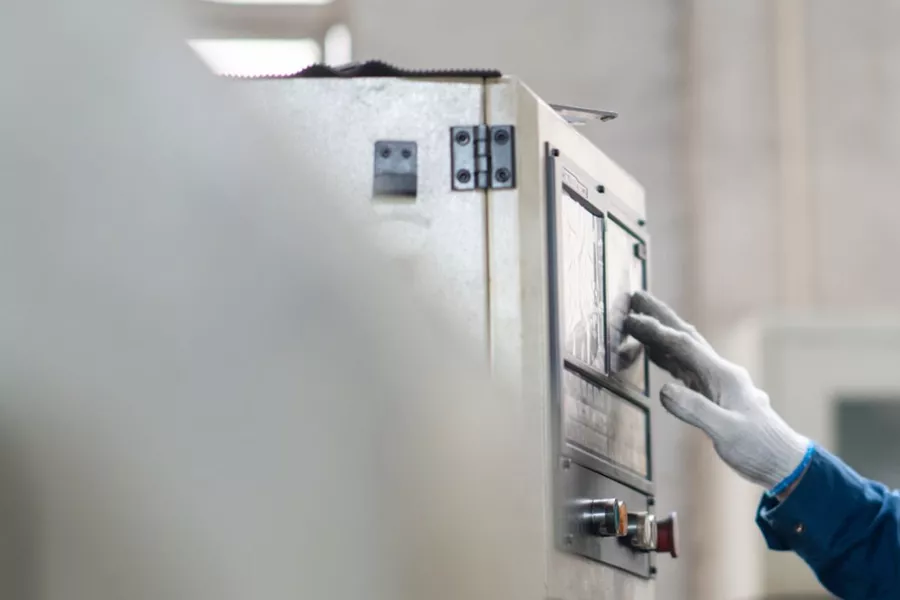
In addition, improving product quality and consistency is also a key advantage of precision manufacturing. With the help of intelligent manufacturing technologies, we can achieve consistency and accuracy in mass production while maintaining high standards, which is crucial for meeting customer needs and enhancing customer satisfaction. Through these advantages, we not only improve overall operational efficiency but also lay a solid foundation for future development, thereby strengthening the enterprise's risk resistance in complex market environments.
Application examples of intelligent manufacturing processing in the industry
Intelligent manufacturing processing technology is widely applied across multiple industries, fully demonstrating its importance in enhancing production efficiency and product quality. For example, in the aerospace sector, intelligent manufacturing processing enables the precise fabrication of complex components, ensuring their operational safety and reliability. Given the extremely high precision requirements for these parts, the advantages of intelligent manufacturing technology become particularly prominent. In the automotive manufacturing industry, intelligent manufacturing processing is extensively used in the production of body parts and engine components, which require high precision and consistency to ensure overall vehicle performance and compliance with safety standards. Additionally, in the medical device industry, the high-precision characteristics of intelligent manufacturing technology allow for the production of medical equipment that meets strict hygiene standards and usage requirements. An increasing number of enterprises are leveraging intelligent manufacturing processing to enhance the market competitiveness of their products. Through these examples, it is clear that this technology is not merely a production method but also a crucial driving force for modern industrial development. Industries across the board are actively adopting intelligent precision manufacturing to adapt to rapidly changing market demands while achieving higher levels of automation and intelligence.
Future Development Trends: How We Should Respond to Challenges
Looking ahead, the intelligent precision manufacturing industry will face a series of challenges, including rapid technological updates, changing market demands, and intensified competition. We need to continuously keep up with industry dynamics, adapt to shifts in customer needs, and flexibly adjust production strategies to ensure our products always meet market standards. Informatization and intelligence are key to improving production efficiency; we can consider introducing Internet of Things (IoT) and big data analytics technologies to monitor production processes in real time, thereby enhancing the effectiveness of decision-making. Additionally, employee skill development cannot be overlooked. We should regularly provide professional training for employees to familiarize them with the latest intelligent manufacturing technologies and related software, ensuring operational accuracy. Furthermore, sustainable development is an important direction we need to focus on. By optimizing resource allocation and reducing waste emissions, we can not only lower production costs but also enhance corporate image. Through these measures, we can better respond to various challenges in the market and continuously drive the development of intelligent precision manufacturing to higher levels.