
Revealing multi-axis linkage tech: why it leads precision work in aerospace, auto molds.
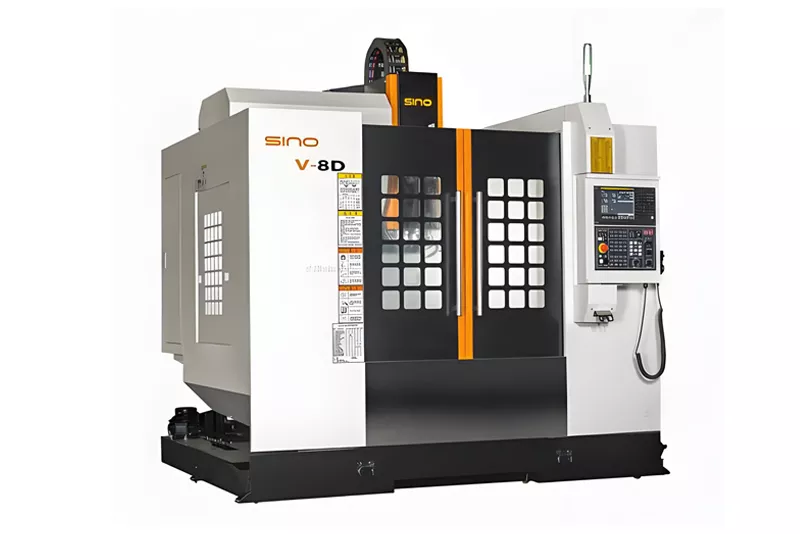
Multi-axis linkage technology is an efficient machining method that enables precise processing of complex parts by simultaneously coordinating multiple axes. Compared to traditional single or simple multi-axis machining, it can accomplish a wider variety of tasks in less time. In recent years, as manufacturing demands for higher precision and efficiency have grown, multi-axis linkage technology has advanced rapidly. Evolving from early three-axis automated machines to today’s widely used five-axis systems in aerospace, automotive, and mold manufacturing, the technology has integrated more advanced control algorithms and data processing capabilities. In our applications, this allows one-time machining of parts with intricate geometries, improving both accuracy and production workflow. Our research shows that multi-axis linkage not only adapts to shifting market needs but also helps companies gain a competitive edge. Therefore, understanding its development is key to selecting suitable machining solutions and lays the groundwork for exploring other methods.
Technical Differences Between Multi-Axis Linkage and 4-Axis Machining
When exploring the technical differences between multi-axis linkage and four-axis machining, we first focus on machining flexibility and precision. Multi-axis linkage allows simultaneous movement of the workpiece in multiple directions, enabling complex-shaped parts to be machined in a single clamping setup. This enhances design flexibility and makes it possible to handle geometries that are difficult—or impossible—to achieve with traditional four-axis machining. Additionally, the dynamic adjustments of multi-axis linkage help improve machining accuracy by reducing errors caused by workpiece repositioning or tool changes. In contrast, four-axis machining is often limited by motion constraints, which can compromise overall precision.
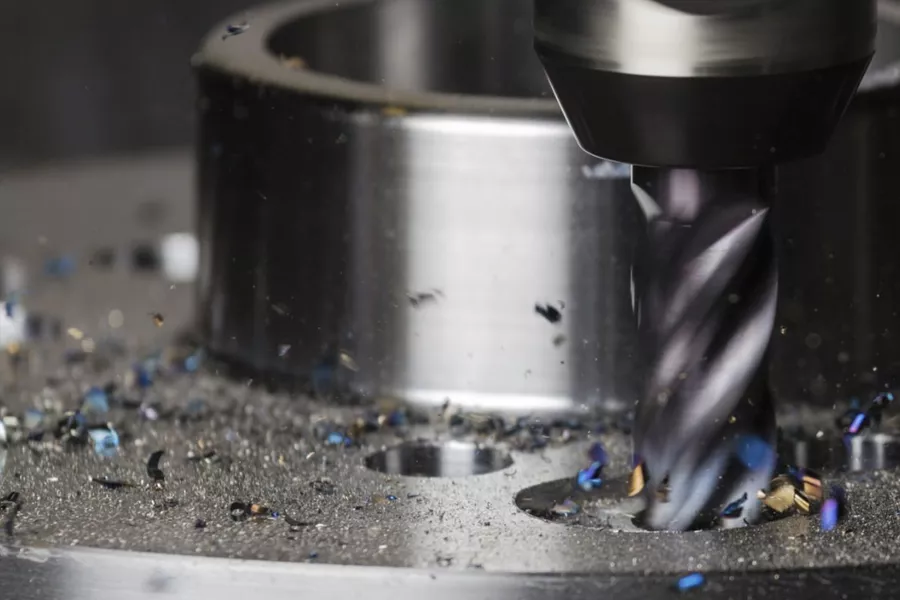
In terms of production efficiency and cost analysis, we found that multi-axis linkage significantly shortens production cycles. Since multiple operations can be completed in a single setup, it streamlines workflows and reduces labor and time costs. Traditional four-axis machines, by contrast, often require more time for workpiece positioning and tool changes, resulting in lower overall efficiency. Overall, comparing these two technologies shows that multi-axis linkage not only increases part complexity and precision but also cuts operational costs and accelerates time-to-market—critical advantages in a highly competitive industry.
Advantages of multi-axis linkage over five-axis machining
In modern manufacturing, multi-axis linkage technology offers significant advantages over traditional five-axis machining. First, in terms of machining flexibility, it supports more complex geometries and higher-difficulty tasks. This means multiple processes can be completed in less time, reducing the need for tool changes and workpiece fixturing—steps that typically require more setup and preparation in five-axis machining. Moreover, multi-axis linkage systems allow simultaneous cutting in multiple directions, greatly improving yield rates and lowering the risk of errors caused by process transitions.
Secondly, analyzing from the perspective of production efficiency and cost, multi-axis linkage significantly shortens the production cycle. Compared to the multiple fixturing and debugging processes required in five-axis machining, the streamlined workflow of multi-axis linkage can effectively reduce labor costs and equipment operating time. When implementing multi-axis linkage technology, we can further reduce tool wear and material waste through program optimization, thereby overall improving production efficiency. At the same time, the multi-level and multi-directional cutting effect can enhance the quality of finished products and lower the rework rate.
In summary, in the field of complex part machining, multi-axis linkage stands out for its flexibility and high efficiency, making it a vital choice for enterprises pursuing advanced manufacturing.
Case Study Analysis: The Advantages of Multi-Axis Coordination
In modern manufacturing, the application of multi-axis linkage technology continues to grow, clearly demonstrating its unique advantages. Take automotive component machining as an example: many companies use multi-axis machining centers to enhance both the precision and complexity of their products. During the development of a new vehicle model, we successfully optimized the machining approach for engine brackets using multi-axis linkage. While traditional four-axis machining required multiple setups and repositioning, multi-axis linkage allowed us to complete cutting on all surfaces in a single clamping, significantly reducing repositioning errors and improving the overall accuracy of the part.
In addition, we have also noticed that in terms of production efficiency, multi-axis linkage can significantly shorten the production cycle. After adopting this technology, a manufacturer's production efficiency has increased by more than 30%, and production costs have also decreased accordingly. This is due to the reduction in tool change frequency and machine tool waiting time, allowing workers to focus more on monitoring the entire machining process. At the same time, we found that multi-axis linkage technology performs excellently on parts with complex geometric shapes. Its machining flexibility enables various design changes to be implemented quickly, saving valuable time. In the increasingly fierce market competition, these advantages enable enterprises adopting multi-axis linkage technology to respond to customer needs quickly, thereby gaining a leading position in the market.
How to choose the appropriate processing technology: Our recommendations
When selecting a suitable machining technology, we must first assess our own production needs and the characteristics of the parts. If the machining requirements involve high complexity and precision, we recommend considering multi-axis simultaneous machining technology. This approach not only meets strict accuracy demands but also enables multi-face machining in a single setup, reducing the time required for workpiece clamping and adjustment. On the other hand, if the project is relatively simple and sensitive to time and cost constraints, four-axis or standalone five-axis machining may be more economical. Based on this, we suggest conducting a small-scale trial production to evaluate the actual performance of different technologies. At the same time, it is crucial to consider both current equipment capabilities and future investment plans. If we intend to focus on high-precision or low-volume complex part production over the long term, multi-axis simultaneous machining will undoubtedly be a preferred direction. By comprehensively analyzing these factors and conducting comparative assessments, we believe we can identify the optimal machining solution for the enterprise, thereby enhancing overall productivity and market competitiveness.