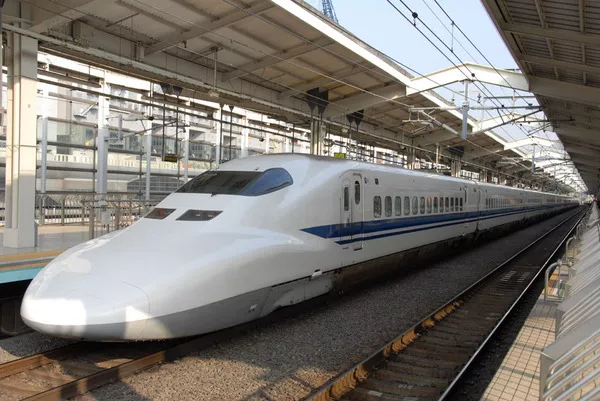

The development of rail transit has promoted the increase in demand for aluminum
According to China's Railway '13th Five-Year Plan': By 2020, the total operating mileage of railways across the country will reach 140,000 km to 150,000 km, including 50,000 km to 60,000 km of high-speed rail. It is estimated that the total completed mileage of high-speed rail during the '13th Five-Year Plan' period will reach 33,000 km, which is 1.0625 times that of 16,000 km at the end of the '12th Five-Year Plan', basically completing the skeleton of the high-speed rail network. It can be seen that during the '13th Five-Year Plan' period, China's high-speed rail is still in a peak construction stage, and at the same time, the construction of intercity railways centered on regional big cities has also entered a high-speed stage.
As of the end of 2015, a total of 44 cities in China had their urban rail transit plans approved; 26 cities had already launched urban rail transit operations, with a total of 116 lines and an operating mileage of 3,618 kilometers. Among them, 2,658 kilometers were subway lines, accounting for 73.4%; other types of urban rail transit covered 960 kilometers, making up 26.6%. The trend of increasing new operating lines, rapid passenger growth, and diversified urban rail transit systems has become increasingly prominent. By 2020, 50 cities in China are expected to have urban rail transit, with the total operating mileage potentially reaching 6,000 kilometers. With the reduction of relevant application thresholds, more third- and fourth-tier cities will join the ranks of urban rail transit development in the future.
The 'Three-Year Action Plan for Major Construction of Transportation Infrastructure', jointly issued by the National Development and Reform Commission and the Ministry of Transport recently, states that from 2016 to 2018, 303 key projects in railways, highways, waterways, airports, and urban rail transit will be prioritized for advancement. The total investment involved in these projects is approximately 4.7 trillion yuan. Among them, the preliminary work for 103 urban rail transit projects will be prioritized, with more than 2,000 kilometers of new urban rail transit to be constructed, involving an investment of about 1.6 trillion yuan.
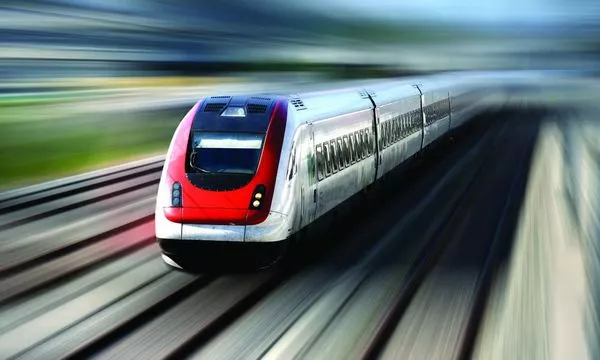
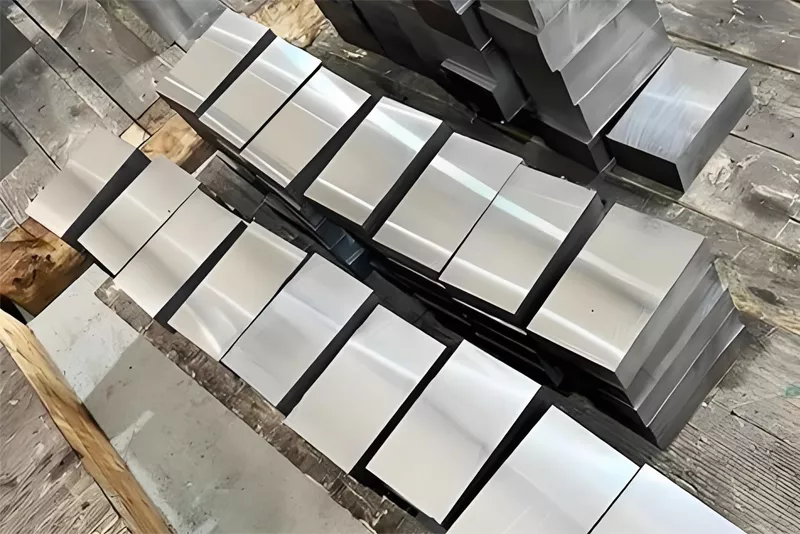
Aluminum plays an important role in rail transit, with aluminum profiles and aluminum plates becoming the main materials for the body of rail vehicles. Under normal circumstances, the procurement of aluminum materials for each high-speed train is about 10 tons, of which extruded profiles account for approximately 8 tons, and other materials (such as plates, foils, tubes, wires, forgings, etc.) account for about 2 tons. According to statistics, it is estimated that from 2014 to 2020, China's passenger dedicated lines will need about 28,000 high-speed trains, each requiring approximately 11 tons of aluminum profiles, resulting in a net demand of about 310,000 tons of aluminum profiles.
Guangzhou's first subway line's rigid suspension contact network system has broken the foreign monopoly and is used in nearly 50 subway lines domestically and 5 subway lines abroad. It includes subway systems such as Guangzhou Metro, Shanghai Metro, Beijing Metro, and Nanjing Metro. Moreover, it provides 'rigid suspension contact network system material integrated supply services' to the 'world's longest plateau railway tunnel - Qinghai-Tibet Railway Xinguanshagou Tunnel' and the 'Nanjiang Line - Zhongtianshan Tunnel', leading the development of 'urban rail transit contact network systems'. It has a domestic market share of about 70%, has been recognized by the market, and has satisfied customers.
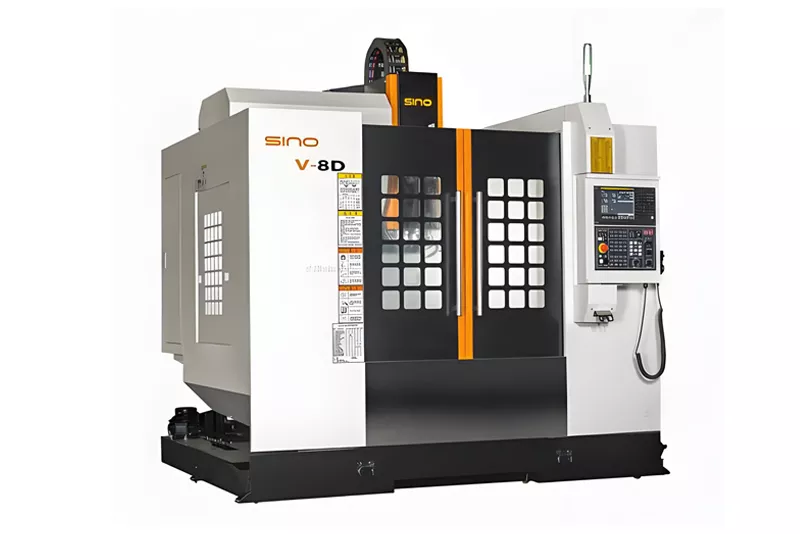
Rail transit vehicles form a vast family, including: high-speed rail, medium and low-speed maglev lines, subways, elevated urban rail transit, intercity fast rail, urban monorails, maglev vehicles, etc. All high-speed rail vehicles and maglev vehicles with speeds exceeding 200km/h are fully aluminumized. The aluminumization rate of other rail transit vehicle bodies has also exceeded 40%. Maglev vehicles, regardless of their speed, must be made of aluminum. Prati's profile machining center performs high-precision milling, drilling, tapping, chamfering and other processing on internal profiles for rail transit.