
Precision Manufacturing Processing: How to Achieve High-Quality and High-Efficiency Part Manufacturing?
In modern manufacturing, precision machining is a core component for improving product quality and production efficiency. We understand that precision machining is not merely repetitive operations; it involves complex processes and technologies. Its fundamental concept lies in utilizing high-precision equipment and process parameters to remove material according to strict dimensional standards, thereby achieving components of high precision and complexity. In this process, we must thoroughly consider every aspect, from raw materials and processing equipment to the production workflow. This significance is reflected in multiple dimensions. First, precision machining effectively reduces product defect rates and enhances overall production efficiency. Second, its high-precision requirements provide crucial support for various high-end industries, such as aerospace, medical devices, and automated equipment. Furthermore, as market competition intensifies, we recognize that enterprises capable of mastering and continuously optimizing precision machining processes will secure a more advantageous position in the industry. Therefore, when exploring high-precision manufacturing and machining, we cannot overlook the profound implications behind it and its role in driving the sustainable development of the manufacturing sector.
Key Process Flow of Precision Manufacturing and Machining
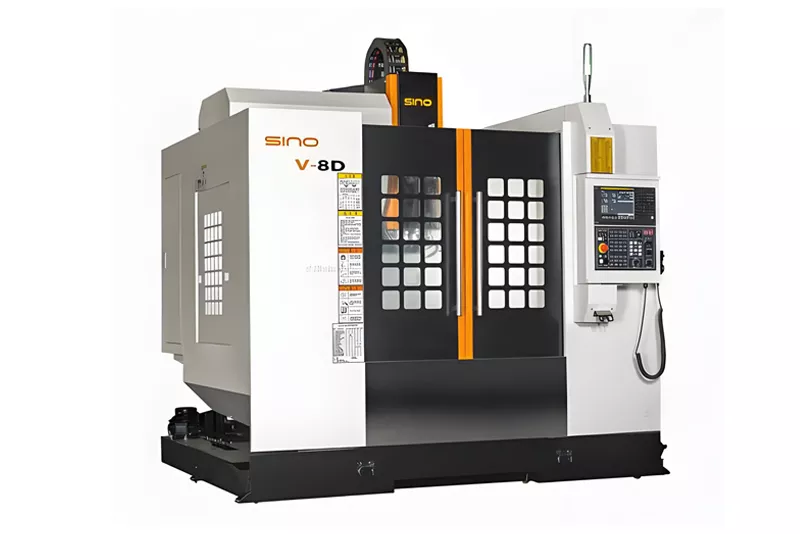
In high-precision precision manufacturing and machining, the first step is precision manufacturing programming and software application. We typically use advanced CAD/CAM software for part design and path planning. These software not only improve design accuracy but also help us identify potential issues in a timely manner by simulating the machining process, thereby reducing errors in actual machining. Next, selecting and configuring appropriate machining equipment is crucial. We need to choose suitable precision manufacturing machine tools based on the material, size, and complexity of the workpiece, and optimize their configuration. For example, for precision parts, equipment with high rigidity and stability is usually selected to ensure no deformation occurs during high-speed cutting. In addition, the selection of cutting tools must match the material properties to enhance cutting efficiency and reduce wear. Overall, precision manufacturing programming and equipment configuration complement each other, together forming the basic process of high-precision precision manufacturing and machining, ensuring that each part meets the required precision standards.
Selection criteria for precision machining factories
When selecting a suitable precision machining factory, we need to consider multiple key criteria. First, the company's technical strength is fundamental. We should evaluate the factory's equipment and technical level, including whether it has advanced precision machining machine tools and precision measuring instruments, which directly relate to processing accuracy and product quality. Secondly, production experience is important; choosing manufacturers with many years of experience in the industry can help us avoid many potential problems. Additionally, we should pay attention to the factory's quality management system, such as whether it has passed ISO certification, which can provide assurance for our product quality.
Another important criterion is the factory's flexibility and responsiveness. In a rapidly changing market environment, companies that can promptly adapt to customer needs and provide personalized services will better meet our requirements. At the same time, establishing good communication channels with the factory to ensure information synchronization between both parties is also an indispensable factor. Finally, we also need to consider cost and service. Under the premise of ensuring quality, reasonable pricing and excellent after-sales service will make our cooperation smoother. Therefore, when evaluating different precision manufacturing factories, we should start from multiple dimensions, conduct a comprehensive consideration, and find the most suitable partner for us.
Technical methods and measures to improve accuracy
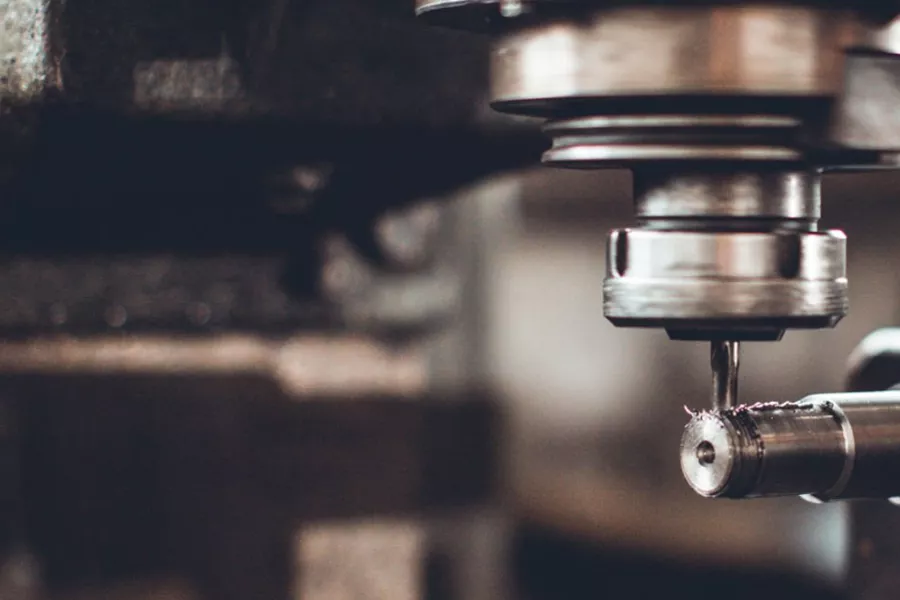
In high-precision manufacturing and machining, we can enhance processing accuracy and efficiency through a variety of technical methods and measures. First, optimizing precision manufacturing programming is a critical step. By rationally planning machining paths, selecting appropriate tools and cutting parameters, we can significantly reduce tool wear, thereby ensuring machining precision. Additionally, attention should be paid to the material selection of tools. High-quality tools can effectively improve overall cutting performance and meet higher precision requirements.
Secondly, the maintenance and upkeep of processing equipment are equally crucial. Regularly inspecting, adjusting, and maintaining the equipment can ensure that precision machine tools operate in optimal condition, preventing accuracy fluctuations caused by equipment failures. At the same time, we need to pay attention to environmental factors, such as the impact of temperature and humidity changes; therefore, reasonably controlling the processing environment is also a method to improve the effectiveness of precision machining.
Moreover, data feedback and real-time monitoring technologies are becoming increasingly vital in modern precision manufacturing. By implementing online measurement systems, we can monitor products in real time and make adjustments based on feedback data, ensuring precision at every stage. These technical approaches not only help enhance production efficiency but also lay a solid foundation for achieving high-quality standards.
Common Problems and Solutions in Precision Machining Processes
During the process of precision machining, we often encounter some challenges that may affect the final quality of the machining. Firstly, equipment failures are a relatively common issue. They can lead to production stoppages, so we need to regularly maintain and inspect the machining equipment to ensure it operates in the best condition. In addition, inaccuracies in the machining program also occur from time to time, causing workpiece deviations or increased scrap rates. To address this, we should emphasize the standardization and testing of precision manufacturing programming, discovering and resolving potential errors through simulating program execution.
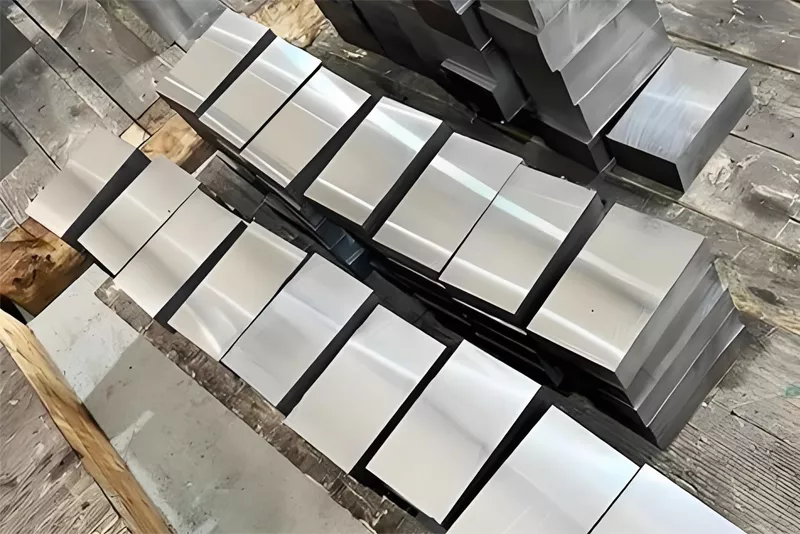
Another common issue is the mismatch between material selection and its properties, which directly affects machining accuracy. We need to choose materials reasonably based on specific part requirements and pay attention to the physical properties of the materials to ensure they are suitable for our machining needs. If improper material selection is found, we should communicate with suppliers in a timely manner to find more appropriate alternatives. At the same time, changes in temperature and humidity in the machining environment may also affect part accuracy. Therefore, we recommend maintaining a stable environment in the machining workshop to minimize problems caused by changes in external conditions.
Finally, the skill level of operators is also an important factor affecting the quality of precision machining. We should regularly train operators to enhance their understanding and application capabilities of advanced technologies and equipment, thereby reducing problems caused by human error. Combining these issues and solutions helps us continuously improve the precision machining process, increasing overall production efficiency and product quality.