
Analysis of Precision Requirements for Medical Part Machining: A Comprehensive Guide from Industry Standards to Quality Control
Medical component manufacturing has become increasingly important in the development of modern medical devices. As technology advances, the precision requirements for medical components have gradually risen. These requirements not only affect product performance but also impact patient safety and treatment outcomes. Therefore, relevant standards have been established within the industry to ensure that each component meets strict quality requirements. In this process, companies need not only to master key technologies but also to address challenges from material selection, processing procedures, and quality control. Through these measures, the safety and reliability of medical devices can be effectively guaranteed, providing better medical services to patients.
Discussion on Precision Requirements and Industry Standards in Medical Part Machining
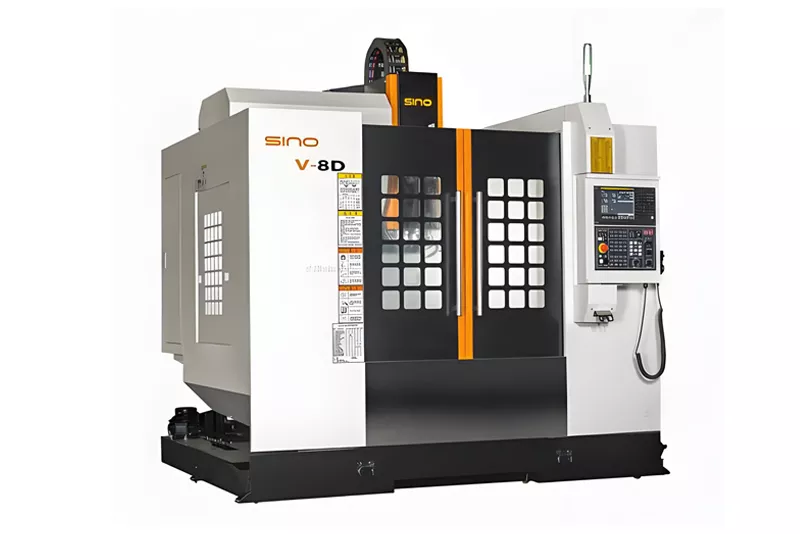
The precision requirements for medical component machining are extremely high. This is because the performance of medical devices directly impacts patient safety and treatment outcomes. To ensure the reliability of these devices, the industry has established stringent quality standards. These standards cover every stage from design to manufacturing, ensuring that each component meets specific technical requirements. Secondly, precision machining technology plays a central role in medical device production. For example, CNC machining and laser cutting techniques can both deliver high levels of accuracy, which is particularly crucial for complex shapes and small-sized components. Moreover, adhering to these industry standards not only enhances product consistency but also reduces risks associated with machining errors. Therefore, ensuring compliance with these precision requirements at every step is key to the success of medical component machining.
Key Technologies and Their Applications for Ensuring Medical Device Safety
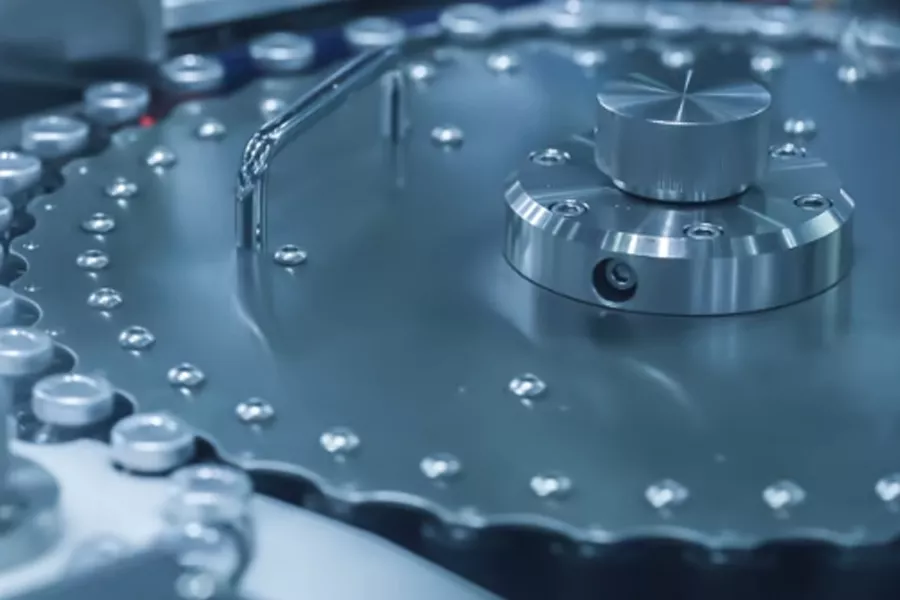
In medical part manufacturing, key technologies to ensure instrument safety mainly include precision manufacturing, material selection, and quality control. Precision manufacturing technologies such as CNC machining and laser cutting can improve the dimensional accuracy and surface quality of parts. Additionally, selecting appropriate materials, especially biocompatible materials, is an important factor in ensuring the safety of medical devices. These materials can reduce patients' rejection reactions to the instruments and ensure comfort and safety during use. Furthermore, strict quality control technologies such as process monitoring and functional testing can detect potential defects and ensure that each part meets industry standards before leaving the factory. Through the effective application of these technologies, manufacturers can significantly enhance the safety and reliability of medical devices, providing patients with a more assured treatment experience.
Main Challenges and Solutions in Medical Part Machining
One of the main challenges in medical part machining is maintaining a high level of precision. During the production process, even the slightest errors can affect the functionality of medical devices and patient safety. Additionally, variations in material properties also pose difficulties in machining. To address these issues, companies need to introduce advanced testing technologies to ensure product quality. In the machining process, the combination of different machining methods can effectively improve precision. For example, combining CNC milling and electrical discharge machining can compensate for the shortcomings of each individual process. At the same time, continuously training operators to enhance their understanding of equipment and machining processes is also an important measure to ensure part quality. These solutions can help the industry meet challenges and thus ensure that medical devices have the necessary safety and reliability.
In-depth Analysis of Implementation Paths for Medical Device Quality Standards
The quality standards for medical devices serve as the foundation for ensuring their safety and effectiveness. In the machining of medical components, these standards encompass material selection, manufacturing processes, and final inspection. Firstly, manufacturers must adhere to internationally recognized quality management systems, such as ISO 13485. This standard ensures rigorous control over every stage of device development, from design to production. Moreover, key technologies play a critical role in achieving these quality standards. For example, precision machining techniques can minimize component deviations, thereby ensuring the production of compliant parts. Simultaneously, the implementation of stringent testing procedures is an indispensable step. After manufacturing, each product must undergo a series of inspections, including functional testing, durability assessments, and more. These measures ensure that medical components not only meet specified technical requirements but also demonstrate high reliability and safety in clinical practice.
The precision requirements for medical part processing are closely related to safety standards. As technology advances, manufacturers must continuously improve processing techniques to meet the demands of complex medical devices. The application of key technologies, such as high-precision machining and material selection, plays a crucial role in ensuring product quality. Additionally, adhering to strict quality standards, including international norms like ISO 13485, can effectively enhance the reliability of medical devices. In the face of increasing challenges, innovative solutions and ongoing education are also particularly important. These measures not only ensure the safety of medical devices but also provide patients with a higher quality medical experience.