
High-precision precision manufacturing technology: The key to improving production efficiency and quality in the manufacturing industry
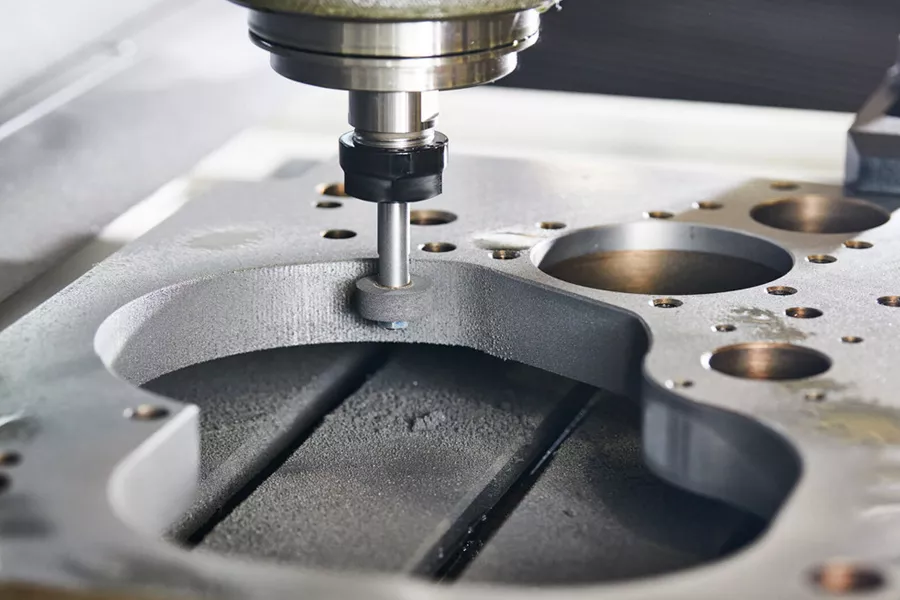
In modern manufacturing, precision manufacturing, as an advanced production method, is increasingly favored by more and more enterprises. Precision manufacturing refers to the process of performing precise operations such as cutting and milling through computer program-controlled machine tools, with the aim of improving production efficiency and product quality. We can see that this processing method is widely applied in many fields such as aerospace, automotive manufacturing, and medical equipment. In these industries, the dimensional accuracy and surface quality of parts directly affect the performance and safety of the final product, so precision manufacturing is particularly important.
With the development of technology, precision manufacturing is no longer limited to simple mechanical operations; it can also handle complex geometric shapes and high-hardness materials. Through reasonable software programming and machine tool configuration, we can efficiently complete the manufacturing of various types of parts. At the same time, many enterprises have realized that using numerical control technology can effectively reduce labor costs and improve work efficiency. Therefore, more and more traditional manual processing enterprises are also beginning to transform towards precision manufacturing.
In practical operations, we will find that data collection and monitoring in precision manufacturing processes are equally important and cannot be overlooked. By real-time monitoring of key parameters in the production process (such as cutting speed, feed rate, etc.), potential problems can be promptly identified and adjustments made, thereby ensuring that the finished products meet specified standards. Overall, when exploring the basic concepts and application scenarios of precision manufacturing, we not only need to recognize its technical advantages but also pay attention to how to effectively utilize these advantages to improve productivity.
Importance Analysis of High-Precision Precision Manufacturing
In modern manufacturing, the importance of high-precision precision manufacturing is self-evident. We live in a highly competitive market environment where product quality directly affects a company's competitiveness. High-precision precision manufacturing not only improves the machining accuracy of products but also helps enhance production efficiency, reduce material waste, and thus effectively control production costs. In addition, in many high-value-added industries such as aerospace and medical equipment, the requirements for dimensional accuracy and surface quality of components are extremely strict; even the slightest error can lead to serious consequences. Therefore, ensuring precision control in the precision manufacturing process is crucial.
We should also pay attention to the fact that high-precision precision manufacturing can bring better product consistency. In mass production, maintaining consistency between products is particularly crucial, as it not only relates to customer satisfaction but also affects brand reputation. By leveraging efficient and stable precision manufacturing technologies, we can achieve consistent quality across batches of products, which is an indispensable factor in enhancing corporate trust.
In addition, we cannot overlook the role of high-precision precision manufacturing in technological innovation and R&D. As technology develops, new materials and processes continue to emerge, and we must be capable of handling the machining of more complex parts. Through high-precision precision manufacturing, we can explore the application of higher-performance materials and the realization of complex shapes, thereby helping enterprises maintain their leading position in the market. In short, high-precision precision manufacturing is not only an important means to improve efficiency and ensure quality, but also a key factor in driving the continuous progress and innovative development of the manufacturing industry.
Key Elements of Precision Manufacturing Processes
In high-precision precision manufacturing processes, precision control and measurement technology are core elements that we cannot ignore. First, precision control requires establishing strict standards and specifications throughout the entire machining process. We usually adopt high-precision CNC machine tools and cutting tools, which not only ensure that the shape and dimensions of the parts meet the expected results but also optimize cutting speed and tool life. In addition, we often select sensors with precise positioning capabilities to achieve real-time monitoring and feedback, thereby promptly adjusting machining parameters to ensure that precision remains within a controllable range.
In practical operations, we also attach great importance to numerical control programming and process parameter settings, which are crucial for achieving high-precision results. Accurate software programming can effectively reduce the impact of human operational errors on product quality. Therefore, for processing personnel, enhancing training to improve their understanding and application capabilities in precision control and measurement technologies will help promote the overall improvement of production efficiency and quality levels. In this process, we continuously explore innovation and optimization to strive for a foothold in the increasingly fierce market competition.
Key Points for Selection and Configuration of Precision Manufacturing Centers
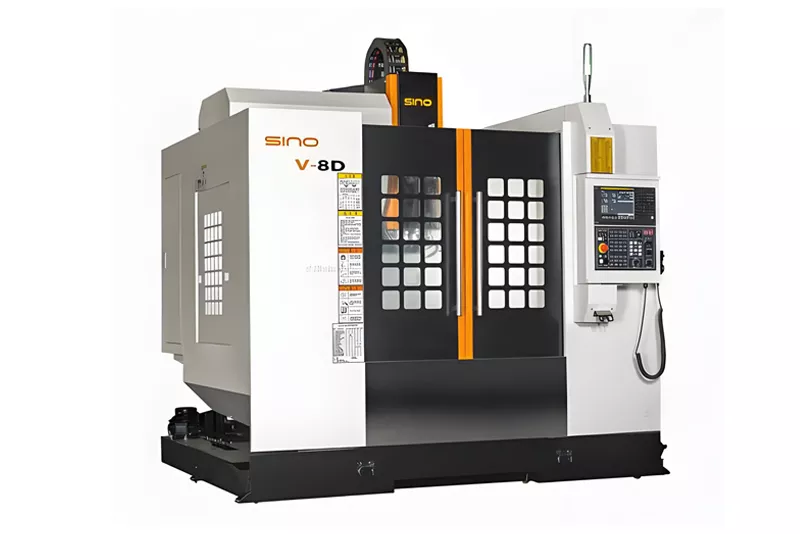
When engaging in high-precision precision manufacturing, we must pay attention to the selection and configuration of precision manufacturing centers, as this directly affects our processing efficiency and product quality. First, when selecting an appropriate precision manufacturing center, we need to consider its precision grade. High-precision equipment can ensure tolerance control of the product during the machining process, thereby improving the consistency and reliability of the final product. In addition, the structural design of the machining center is also an indispensable key factor. We should prioritize equipment with a sturdy structure and strong rigidity, which can effectively reduce vibrations generated during high-speed cutting, thus enhancing stability during the machining process.
Secondly, the control system of the machining center is also one of our focuses. Modern CNC systems are equipped with more efficient and intelligent software, which can improve our programming efficiency and shorten setup time. In addition, equipment with self-detection and correction functions can monitor errors in real-time during operation and make automatic adjustments, thereby ensuring higher precision in the precision manufacturing process.
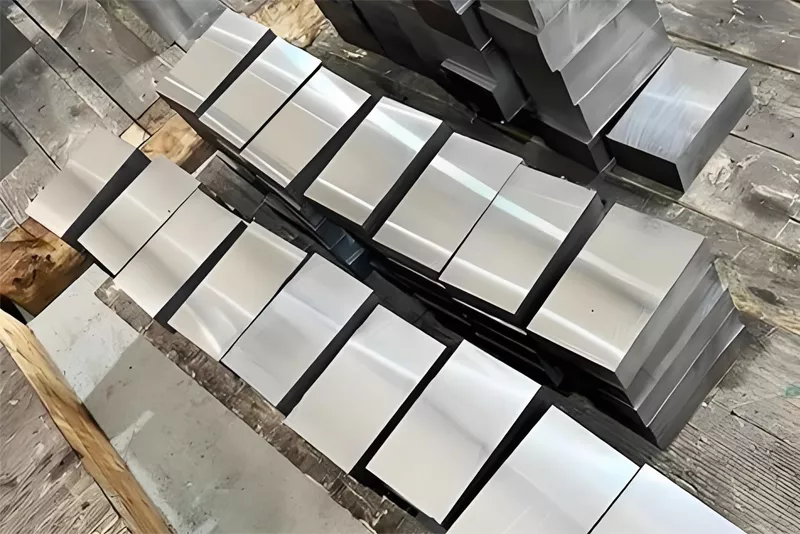
Finally, the specific processing requirements for different workpiece materials should also be given due attention. For example, for some heat-treated hard materials, we may need to configure special quick-change tools to cope with higher cutting forces and wear, thereby ensuring that our tools are durable and maintain good processing results. Against the backdrop of continuous technological progress and upgrading, the rational selection and configuration of appropriate precision manufacturing centers are crucial for enhancing our overall production capacity. In this way, we can achieve more efficient, stable, and high-quality production outcomes.