
Is the emergence of new energy vehicles an opportunity or a challenge for the machine tool industry?
The automotive industry is a crucial downstream sector for the machine tool industry, with close ties between the two. I recently came across a viewpoint suggesting that the widespread adoption of new energy vehicles may influence the future development direction of the entire machine tool industry. In response to this perspective, some industry experts online have argued that the emergence of new energy vehicles and other emerging industries could act as disruptors in the machine tool sector. They emphasize that machine tool companies must urgently address these changes or risk being phased out. These experts express their views with conviction, and I find this discussion particularly intriguing. Today, let’s explore whether the rise of new energy vehicles presents an opportunity or a challenge for the machine tool industry.
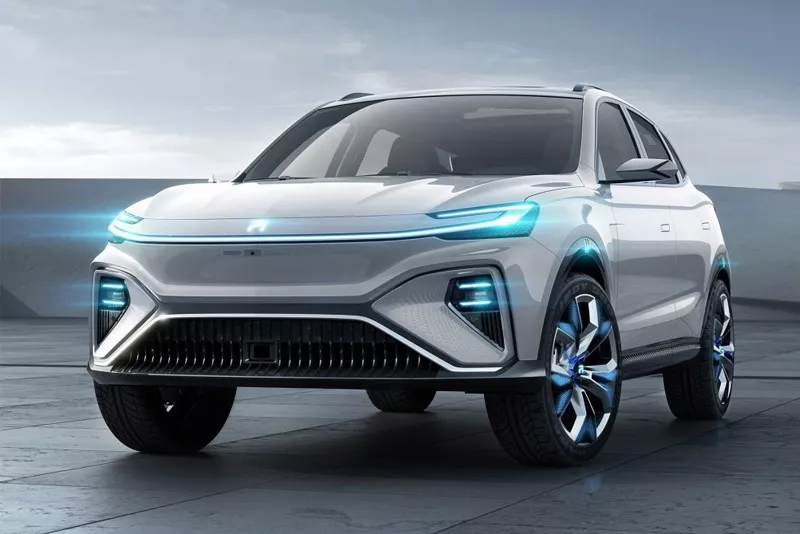
"New energy vehicles refer to automobiles that utilize unconventional vehicle fuels as power sources (or employ conventional vehicle fuels with new types of onboard power systems), integrating advanced technologies in power control and drive systems. These vehicles feature advanced technical principles, innovative technologies, and novel structures." From this definition, it is evident that the primary innovation of new energy vehicles lies in their energy systems. In terms of manufacturing, they inherit the processes and equipment used in traditional vehicle production. Given this close relationship between new energy vehicles and traditional automobiles, why are they considered disruptors of the machine tool industry?
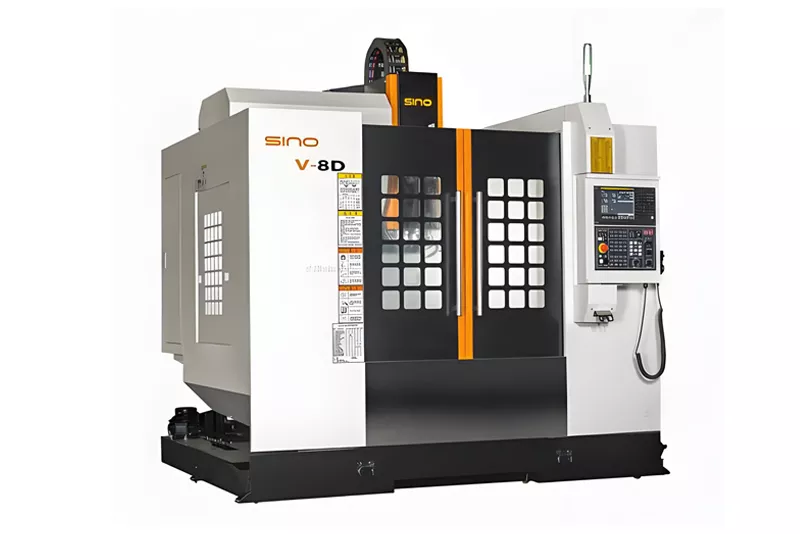
To understand this, we must first clarify the relationship between the traditional automotive industry and the machine tool industry. The automotive sector is a vital downstream industry for machine tools and serves as one of the primary markets for machine tools, particularly metal-cutting machine tools. In recent years, the smooth development of China's automotive industry has, to some extent, driven the growth of the metal-cutting machine tool sector. Apart from the vehicle body, the powertrain of traditional automobiles requires extensive machining of numerous components, generating significant demand for machine tools and constituting a crucial market for the industry. However, due to changes in fuel sources, the powertrain of new energy vehicles has also undergone transformation. These changes are poised to directly impact the machine tool market.
The powertrain of new energy vehicles has undergone a transformation, eliminating the need for traditional internal combustion engines and, consequently, components such as engine blocks, cylinder heads, crankshafts, camshafts, and connecting rods. This means that the complex metal-cutting processes developed to manufacture these parts—including milling, drilling, boring, threading, grinding, and honing—will no longer be required. The various machine tools, automated production lines, and cutting tools designed for these processes will also lose their original purpose. Even if new energy vehicles adopt non-electric powertrains or retain internal combustion engines through hybrid energy systems, the impact on the machine tool industry will only be somewhat mitigated, not entirely eliminated. From a current perspective, pure electric vehicles represent the dominant trend in future development, and the shift to electric powertrains is a fundamentally disruptive change. Moreover, it is important to recognize that changes in the powertrain are only one aspect of the evolution of new energy vehicles. With the application of new technologies, materials, and structural designs, the adjustments required from the machine tool industry will continue to grow.
It is evident that the claim that "new energy vehicles are disruptors of the machine tool industry" is not unfounded. The impact of new energy vehicles on the machine tool sector is real and tangible. While machine tools are not rendered entirely obsolete by these changes, it is imperative for the industry to undergo adjustments and upgrades. These upgrades are mainly reflected in the following aspects. First, in response to the structural changes in new energy vehicles, targeted research and development of new machine models is necessary. Second, with the emergence of new materials, existing processing techniques, molds, and welding processes must be adapted. Third, as new energy vehicles rely less on cutting processes, the structure of the metal-cutting machine tool industry and related cutting tool and equipment sectors must be realigned. Fourth, automotive production workshops and assembly lines need transformation and upgrading, and relevant personnel must be trained.
The emergence of new developments inevitably brings about new changes. The rise of new energy vehicles indicates that the future of the machine tool industry will shift from "generalized production" to "customized production." Beyond technological advancements, personalization, service orientation, and market adaptability will become key competitive factors for machine tool enterprises. Companies aiming to maintain a foothold in the automotive market must delve deeper into the field of new energy vehicles themselves and related derivative areas, such as electronic control equipment and charging devices.
The advent of new energy vehicles presents both opportunities and challenges. The new demands and emerging fields driven by new energy vehicles will undoubtedly broaden the downstream market for machine tools and promote the transformation and upgrading of the industry. However, many machine tool enterprises may struggle to adapt and face elimination. As this competition unfolds, which companies will emerge as leaders? Let us wait and see.