
Intelligent Precision Machining: Core Technology Empowering Medical Component and Part Manufacturing
In the process of precise development in modern manufacturing, intelligent precision machining, with its excellent machining accuracy and stability, has become a key technical support in the field of medical component and part manufacturing. As a technical team specializing in precision machining, we always provide intelligent machining solutions for the medical industry with professional machining capabilities, featuring high precision and high reliability. These solutions cover core areas such as intelligent machining of medical components and precision machining of medical parts, helping customers achieve accurate transformation from design concepts to high-quality products.
Technical Advantages and Core Value of Intelligent Precision Machining
Intelligent precision machining is an advanced manufacturing process that precisely processes various materials using computer numerical control technology. Its core advantage lies in achieving machining accuracy at the micrometer level, ensuring that part dimensions, shapes, and surface roughness meet strict design standards. In the manufacturing of medical components and parts, this high-precision machining capability is particularly important—whether it is structurally complex orthopedic implants or precision miniature medical catheter components, they all require intelligent precision machining technology to guarantee product consistency and reliability.
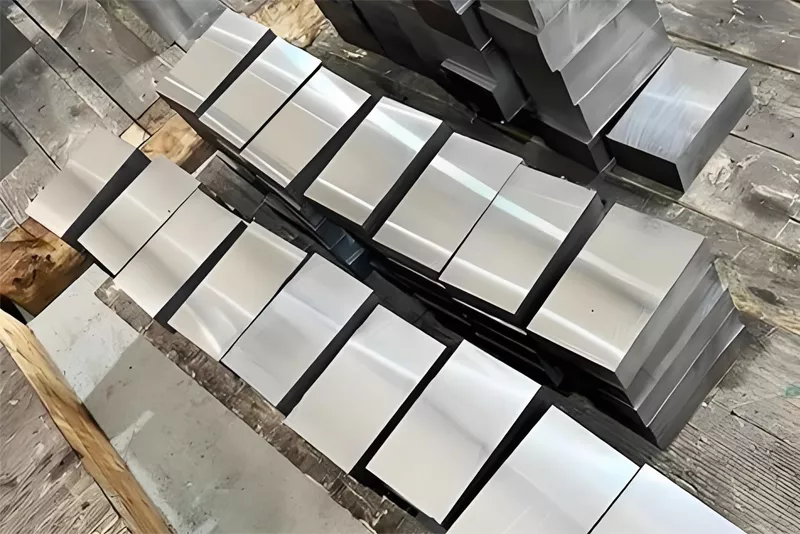
Compared with traditional machining methods, intelligent precision machining has characteristics such as high degree of automation, stable machining efficiency, and strong repeatability. By programming to control the movement trajectory and machining parameters of machine tools, it can effectively reduce human operational errors and improve the stability of machining quality. At the same time, its flexible machining adaptability can meet the processing needs of various materials, including metal materials such as stainless steel, titanium alloy, and aluminum alloy, as well as non-metallic materials such as engineering plastics and ceramics, providing a broad realization space for the diversified design of medical products.
Professional Practice and Application Scenarios of Intelligent Processing for Medical Accessories
In the field of medical device manufacturing, intelligent precision machining undertakes the processing tasks of critical components. Taking medical instruments as an example, high-precision components such as surgical blade tips, joint prosthesis accessories, and dental implant abutments are all completed through intelligent precision machining. Our processing workflow strictly adheres to the quality standards of the medical industry. From material pre-treatment to dimensional inspection during the processing stage, and finally to surface treatment (such as polishing, passivation, coating, etc.), strict quality control is implemented at every Link to ensure that the components meet medical requirements in terms of biocompatibility, mechanical properties, and surface accuracy.
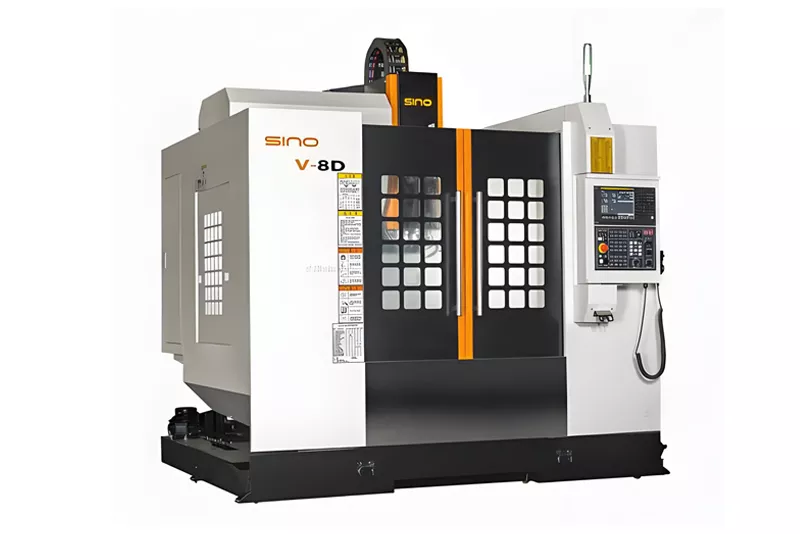
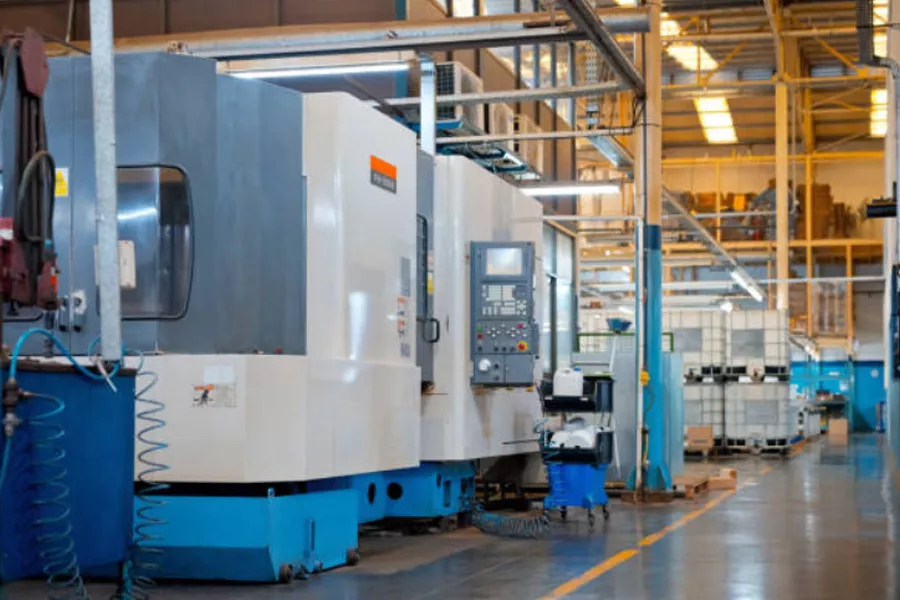
For different types of medical components, we adopt customized machining solutions.For small precision parts—such as the transmission gears of insulin pumps and the micro-bearing assemblies of endoscopes—we utilize high-precision vertical machining centers or Swiss-type lathes to achieve precise control of millimeter-level dimensions.For large, structurally complex components—such as the frame parts of medical imaging equipment and the transmission mechanisms of surgical tables—we employ horizontal machining centers or five-axis simultaneous machining centers to accomplish multi-surface and multi-dimensional precision machining, ensuring the assembly accuracy and service performance of the components.