
Exploring the Path of CNC Machining: How Should It Develop in the Future?
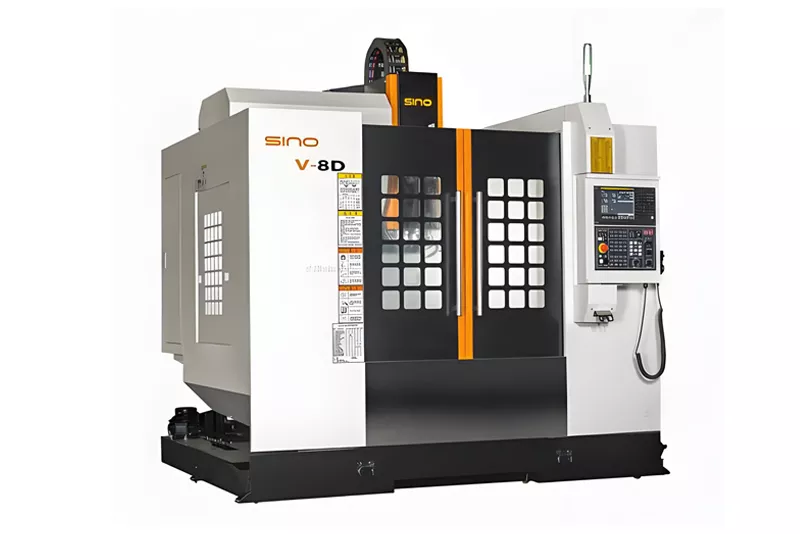
CNC machining is a technology that enables cutting, drilling, and other operations on metals or other materials by controlling machine tool movements through pre-programmed software. Since the 1980s, with advances in information technology and automation, China's CNC machining industry has gradually evolved from starting with the introduction of foreign equipment and technology to now possessing independent R&D capabilities and large-scale production capacity.
On the grand stage of today's manufacturing industry, CNC machining is undoubtedly a 'sword-wielding' figure behind the scenes. Though it rarely stands under the spotlight, it controls the critical lifeline of product manufacturing. From everyday items like smartphones and cars to high-precision fields such as aerospace components and medical equipment, its presence is everywhere.
Current Status of CNC Machining in China
01, Market Size: Continuously Expanding, Attracting Global Attention
In recent years, the Chinese CNC machining market has shown a vigorous development trend. With the upgrading and transformation of the manufacturing industry, the demand for CNC machining has been growing increasingly strong. From automotive manufacturing to electronic device production, from aerospace to precision mechanical processing, CNC machining is widely applied in various fields.
According to the latest statistical data, the sales revenue of China's CNC machine tool market exceeded hundreds of billions of yuan in 2024, with the annual growth rate maintaining above two digits.
02, Technical Level: Significant progress has been made, but there is still a gap.
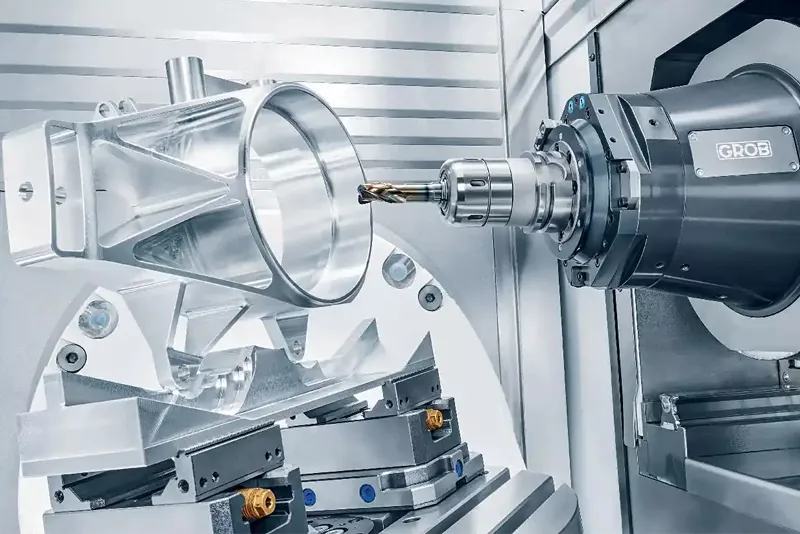
In terms of technology, China's CNC machining has made remarkable progress. High-speed cutting technology has continuously matured, greatly improving processing efficiency; the application of composite machining technology enables multiple processing procedures to be completed on a single machine, effectively shortening the processing cycle and enhancing processing accuracy.
At the same time, certain breakthroughs have been made in areas such as multi-axis simultaneous machining and intelligent manufacturing. However, it cannot be ignored that compared with developed countries like those in Europe and North America, China still lags behind in high-end CNC machining technology. For instance, there is still a reliance on imports for some ultra-precision machining equipment and advanced CNC systems. This also points to the direction for further development of China's CNC machining technology.
03. Industrial Ecosystem: Coordinated Development, Needs Improvement
China has formed a relatively complete CNC machining industrial chain. From upstream numerical control systems, cutting tools, and machine tool manufacturing, to midstream CNC machining services, and then to downstream numerous application industries, each link collaborates with one another and develops together.
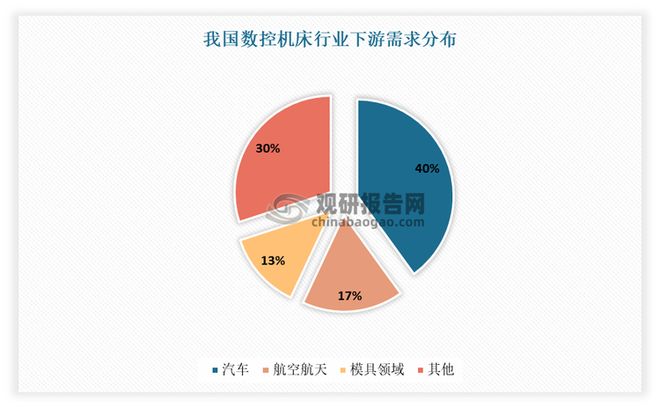
However, the industrial chain still has some weaknesses. For example, the self-sufficiency rate of high-end numerical control systems and key functional components is relatively low, which to some extent restricts the overall competitiveness improvement of the CNC machining industry. In addition, some enterprises have insufficient capabilities in technological innovation, quality control, and other aspects, making it difficult for them to meet the demands of high-end markets.