
DMG MORI Case: CNC Machining Production in the Automotive Electrification Transformation
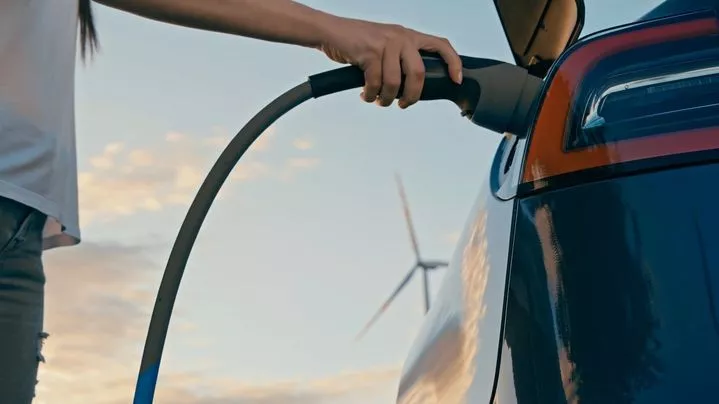
The electrification of automobiles is upending the demand for CNC machine tools in the automotive industry. Although internal combustion engines will not disappear within a certain period, the focus of production is shifting toward electric motors, power battery housings, and power electronics. The challenge is that CNC machine tool manufacturers must simultaneously address parallel challenges while investing in new technologies. Those manufacturers that focus on flexible production systems, process integration, and digital transparency will stand out in navigating the challenges brought by these changes.
Understanding New Workpieces
A prominent feature of this transformation is that the range of services provided by machine tool manufacturers and suppliers must become broader. Traditional components such as crankshafts, cylinder heads, and camshafts have been replaced by entirely different parts, thereby fundamentally altering the requirements for machine tools. For example, the rotors and stators of electric motors require micron-level precision, as even slight deviations can significantly impact motor efficiency. Power battery housings also demand precise and efficient machining of large-area lightweight structural components. These new applications fully demonstrate that relying solely on traditional machining methods will increasingly fall short of meeting future demands. The variety of workpieces and materials is becoming more diverse, with aluminum and composite materials growing in importance. This necessitates more flexible and comprehensive machining techniques, ranging from the correct design and selection of cutting tools and parameters to the actual machining and finishing processes.
Grasp the technical requirements
The electrification of automobiles has significantly altered the range of components produced by automakers and their suppliers, thereby shifting production demands. Stricter precision requirements now call for micrometer-level accuracy, whereas traditional drive systems typically demanded precision in the range of 0.01 to 0.05 mm. This has elevated the importance of precision machine tools and temperature-stable production environments. In-process measurements are increasingly conducted within the machining area to ensure consistent quality, thereby reducing scrap rates and minimizing subsequent quality control efforts. Moreover, continuous measurement has become a critical tool for documenting workpiece quality, as manufacturers in the automotive industry now require greater digital transparency in processes more than ever before.
5-axis machining with process integration
Five-axis machining is gradually becoming a standard technology. This technology enables the processing of complex geometries in a single setup, eliminating quality risks associated with multiple setups. Simultaneously, five-axis machining serves as the foundation for process integration, extending beyond measurement operations. Modern machining centers can perform turning, milling, drilling, gear machining, and grinding in a single setup. This means higher production capacity can be achieved without relying on specialized standalone machines. Comprehensive automation solutions are increasingly becoming a crucial and indispensable means for economical production, as these solutions can integrate more processes, including workpiece cleaning.
Flexibility is the key to survival
Compared to components in traditional drive systems, electric vehicle components typically require smaller tolerances, and the impact of housing precision is particularly significant. One major reason for the diversity of workpieces is the variety of electric vehicle platforms, performance levels, and battery designs. On the other hand, electric vehicle technology is advancing rapidly, resulting in shorter product lifecycles. This requires CNC machine tool manufacturers to have more flexible production capabilities. Modular machine tool designs can quickly adapt to new requirements, and automated solutions offer even greater flexibility and versatility. It enables the rapid and easy automation of the production of many different workpieces, including the automation of small-batch production of workpieces. Agility is crucial for maintaining production cost-effectiveness, especially during the profound transformation of automotive electrification.
Sustainability is a competitive advantage
The fundamental goal of automotive electrification is climate protection, primarily achieved through the widespread adoption of electric vehicles. However, manufacturers must extend their considerations to the entire supply chain. Suppliers need to establish verifiable and sustainable production processes along with carbon emission management systems. In the field of CNC machining, modern, energy‑efficient machine tools are key to designing comprehensive production solutions—where low energy consumption combined with intelligent recycling of cooling lubricants can deliver significant benefits. Moreover, high‑precision, high‑quality machining not only helps reduce material consumption but, when paired with efficient chip‑recycling systems, also enables the intensive conservation of resources.
Expand business areas
Looking forward to the future The transformation of electric vehicles is full of challenges and opportunities. If numerical control manufacturing enterprises invest in technology, training, and processes at an early stage, they can maintain a long-term competitive advantage in the growing market. DMG MORI provides these enterprises with innovative and comprehensive production solutions to support them in continuously meeting higher future demands. Highly integrated processes enable efficient machining strategies, automated handling supports flexible mass production, and digitization throughout the entire production process forms the basis for sustainable and long-term production.