
From Spring Festival Gala 'Backflips' to Workshop 'Work': On the Eve of Humanoid Robot Explosion, How Machine Tool Industry Seizes Future Intelligent Manufacturing
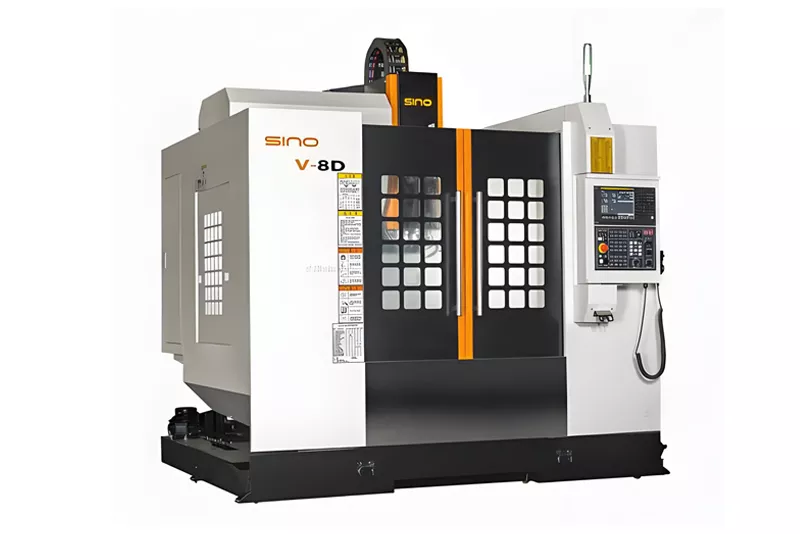
The CIMT 2025 exhibition made it evident that the development of domestic multi-functional composite and five-axis machine tools has gained unstoppable momentum. For example, domestic five-axis machining centers and multi-tasking machine tools, represented by companies like Kede CNC and Beijing Jingdiao, are now being deployed in batches for processing key components such as robot joints and precision gears. Their technological advancements are already deeply aligned with the demands of the robotics industry. Furthermore, the requirements for efficiency and consistency in mass production are intensifying. Data shows that the global shipment of humanoid robots reached approximately 18,600 units in 2025, with projections suggesting that 2026 will witness a "critical leap" to mass production on a scale of hundreds of thousands. This shift from thousands to hundreds of thousands is not merely a quantitative increase but a leap in manufacturing paradigms. While small-batch process validation can rely on the manual adjustments of experienced technicians, mass production on a scale of hundreds of thousands must depend on flexible manufacturing units characterized by high rigidity, high automation, and high stability. This requires machine tools to be not just devices that "can machine" but intelligent units capable of maintaining stable cycle times for production. As recently disclosed in the private placement plan of Zhejiang Headman Machine Tool, the company intends to raise funds to expand the production capacity of CNC lathes and automated production lines, with a dedicated focus on developing specialized equipment for robots. This clearly illustrates how numerous leading machine tool enterprises are keenly capturing the evolving demands of downstream markets.
II. Strategic Responses of the Machine Tool Industry: Specialization and High‑End Advancement
Confronted with the structural opportunities presented by the humanoid robot industry, the machine tool sector is not passively waiting for orders to “fall from the sky.” Instead, it is proactively adjusting its strategies to meet the stringent demands of this emerging field for “precision, efficiency, and low cost.”
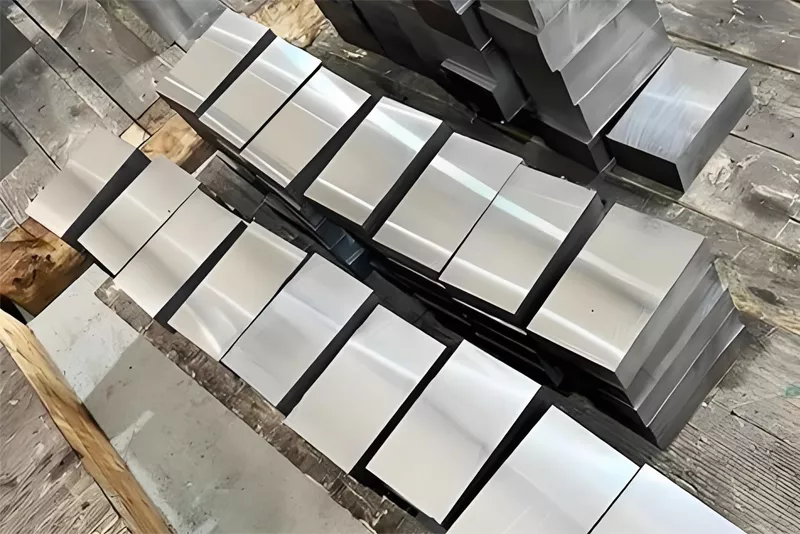
1.Technological Upgrading: From “Single‑Machine Sales” to “Process Solutions” The machining of humanoid robot components—such as internal thread grinding of planetary roller screws and thin‑wall turning of harmonic reducers—often involves the integration of specific materials (e.g., high‑strength steel, lightweight PEEK) and specialized processes. Mere machine hardware can no longer satisfy these requirements. Machine tool enterprises must deeply understand the manufacturing processes of robot parts and provide integrated solutions encompassing “machine tools + cutting tools + fixtures + software.” This necessitates close collaborative R&D between machine tool manufacturers and robotics companies to develop dedicated machining equipment for specific components. For example, for the machining of integrated joints, the development of multi‑tasking machining centers that combine turning, milling, and grinding functions can reduce process flow and improve geometric tolerance accuracy. The ability to rapidly match “demand‑design‑production” will become a key factor for machine tool enterprises to build customer loyalty in future competition.
2.Intelligent Integration: Enabling Machine Tools to Better Understand Robotics While modern robotics emphasizes "embodied intelligence," machine tools—as the "mother machines" of manufacturing—must also embrace intelligent transformation. The machining of robot components is characterized by high variety, large batch sizes, and frequent production changeovers. Traditional reliance on manual experience to adjust cutting parameters can no longer meet the precision requirements of machining with surface roughness below Ra0.4. Machine tool enterprises are actively adopting AI‑driven cutting parameter optimization, digital twin technology, and adaptive control systems. By integrating built‑in sensors to monitor tool conditions and cutting vibrations in real time, and automatically adjusting spindle speeds and feed rates, not only can yield rates be significantly improved, but predictive maintenance can also be achieved. When machine tools possess the closed‑loop capability of "perception‑decision‑execution," they can truly meet the demands for high‑efficiency, high‑reliability manufacturing driven by the explosive growth of the humanoid robot industry.
3. Positioning in the Value Chain: Focusing on the Localization of Core Components The "Guiding Opinions on the Innovative Development of Humanoid Robots" issued by China’s Ministry of Industry and Information Technology explicitly sets a target of achieving an 80% localization rate for core components by 2026. This provides an excellent strategic window for the machine tool industry, which has long sought breakthroughs in high‑end CNC systems, high‑quality functional components, precision bearings, and other key areas. However, breakthroughs in the upgrade of high‑end and ultra‑precision components remain a bottleneck for the industry’s advancement. The machine tool sector should leverage the wave of robotics development to foster collaboration across the entire industry chain, including functional component suppliers, and jointly tackle technological challenges to drive industrial upgrading. Only when upstream machining equipment and foundational components are securely localized can downstream robot parts manufacturing break free from supply‑chain vulnerabilities and robustly support the massive production scale of future robotics and other emerging industries.
III. Conclusion
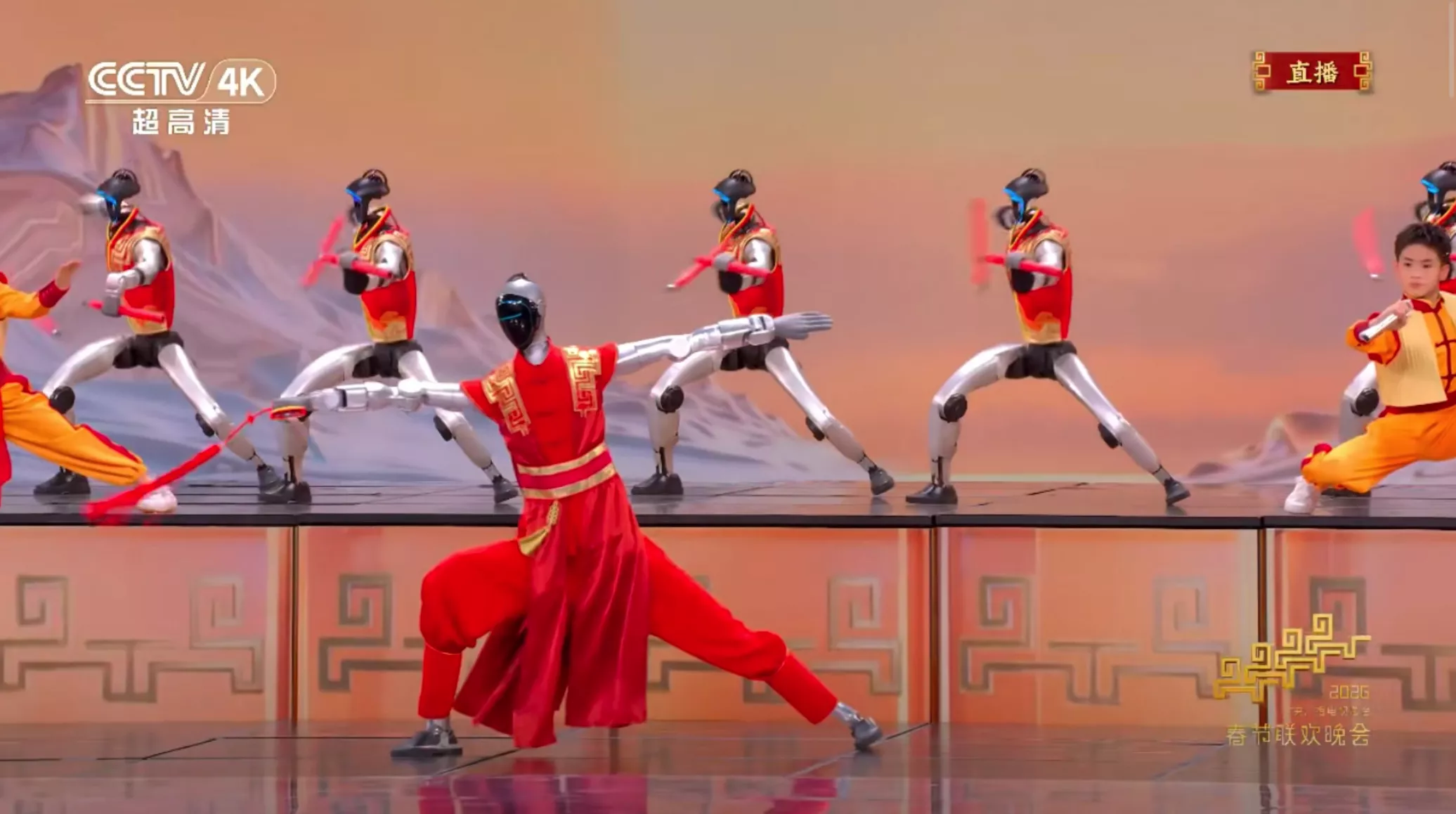
During the 2026 Spring Festival Gala, robots performing consecutive one‑legged backflips won resounding applause on stage. Beyond the spotlight, however, a "silent race" in precision intelligent manufacturing has long been underway. The journey of humanoid robots—from "performing" to "producing," from showcasing skills in labs to engaging in factory labor—ultimately hinges on bridging the gap in "large‑scale, low‑cost, high‑precision" manufacturing.
Machine tools, the "mother machines" of manufacturing, are facing unprecedented industrial opportunities. They are no longer merely cold processing instruments in the traditional sense, but rather the core foundation supporting the "mass‑production dream" of the robotics industry. For China’s machine tool industry, this not only means better adapting to the evolving needs of future industries but also driving a transformative, industry‑wide evolution. Only by achieving its own transition toward high‑end, intelligent, and precision manufacturing can the industry underpin and propel the global leadership of future sectors such as embodied robotics, the low‑altitude economy, and brain‑computer interfaces. Much like the H2 robot that held a young person’s hand on stage, the integration of humans and machines paints a picture of the future—and the "collaborative advancement" of machine tools and robots is the essential path to realizing that vision.