
Custom Processing of Non-standard Precision Hardware Parts
In today's highly specialized manufacturing industry, the machining and customization of non-standard precision hardware components have become an indispensable part. With the continuous advancement of technology and the diversified market demands, higher and more precise requirements have been put forward for the machining and customization of precision hardware components. This article will deeply explore the importance, technical challenges, market applications, and future development trends of non-standard precision hardware component machining and customization.
I. The Importance of Custom Processing of Non-Standard Precision Hardware Components
Non-standard precision hardware components refer to metal products that do not conform to national or industry standards, and have special shape, size, material, or performance requirements. These components are widely used in fields such as aerospace, automotive manufacturing, medical equipment, and electronic devices. Since these fields have extremely high requirements for product precision, reliability, and durability, the processing and customization of non-standard precision hardware components are particularly important.
Firstly, the machining and customization of non-standard precision hardware parts can meet customers' personalized needs. Different industries and different equipment have varying requirements for the specifications, materials, and performance of parts. Through machining and customization, parts that meet specific customer requirements can be produced, thereby satisfying their personalized needs.
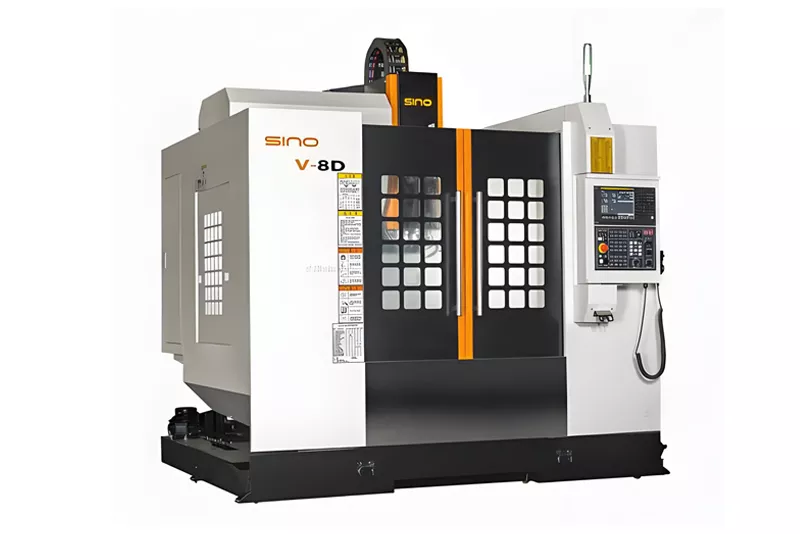
Secondly, the machining and customization of non-standard precision hardware parts can improve product quality and performance. Since these parts have extremely high requirements for precision and performance, through machining and customization, it can ensure that aspects such as dimensional accuracy, surface quality, and material properties of the parts meet design requirements, thereby enhancing the overall quality and performance of the product.
Finally, the processing and customization of non-standard precision hardware parts can also reduce production costs and shorten production cycles. By optimizing processing technologies and adopting advanced processing equipment, processing efficiency can be improved and production costs reduced; at the same time, since processing customization is carried out according to customer needs, it can avoid overproduction and inventory accumulation, thereby shortening the production cycle.
II. Technical Challenges in Custom Processing of Non-Standard Precision Hardware Components
Although the processing and customization of non-standard precision hardware parts have many advantages, they also face some technical challenges in actual production processes.
Firstly, the machining accuracy requirements for non-standard precision hardware parts are extremely high. In terms of dimensional accuracy, shape accuracy, and positional accuracy, these parts need to reach the micrometer level or even higher. Therefore, high-precision machining equipment and advanced measurement technologies must be adopted to ensure machining accuracy.
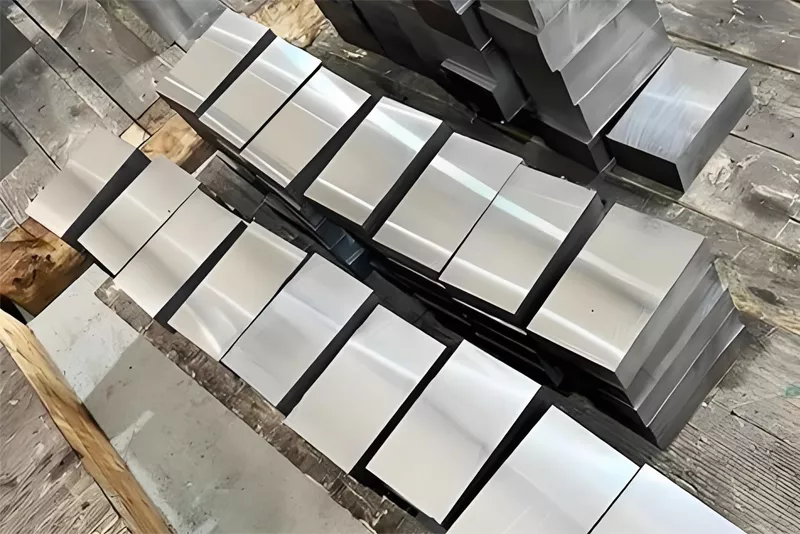
Secondly, there are numerous types of materials for non-standard precision hardware components, each with different properties. Different industries and equipment have varying material requirements for components, and some materials even possess special physical and chemical properties. Therefore, during the processing, it is necessary to select appropriate processing methods and process parameters based on the characteristics of the materials.
Finally, the machining and customization of non-standard precision hardware parts require a high level of technical expertise and extensive experience. Due to the special nature of these parts in terms of shape, size, material, and other aspects, a high level of technical expertise and rich experience are needed to ensure machining quality and efficiency.
III. Market Applications of Customized Non-Standard Precision Hardware Parts Processing
The machining and customization of non-standard precision hardware parts have extensive applications in fields such as aerospace, automotive manufacturing, medical equipment, and electronic devices.
In the aerospace field, non-standard precision hardware components are important parts of key components such as aircraft engines, fuel systems, and avionics systems. The accuracy and performance of these components directly affect the overall performance and safety of the entire aircraft.
In the automotive manufacturing field, non-standard precision hardware parts are widely used in key components such as engines, transmissions, drive systems, and suspension systems. The machining and customization of these parts can ensure the stability, reliability, and durability of automobiles.
In the medical device field, non-standard precision hardware components are widely used in advanced surgical instruments, extracorporeal circulation equipment, implants and other medical devices. The customized processing of these components can ensure the accuracy and reliability of medical devices, providing patients with better treatment outcomes.
In the field of electronic devices, non-standard precision hardware components are important parts of key components such as connectors, RF components, and power systems in electronic products like mobile phones and computers. The customization of these components can ensure the stability and reliability of electronic devices.