
Precision metal parts manufacturing: What breakthroughs can CNC machining bring?
In the field of hardware machinery manufacturing, precision parts are core components that ensure stable equipment operation and the realization of complex functions. CNC (Computer Numerical Control) machining technology, with its advantages of high precision, high efficiency, and high consistency, has become the mainstream method for producing precision parts, driving the hardware machinery industry towards higher levels of development.
Precision Control: The Core Advantage of CNC Machining
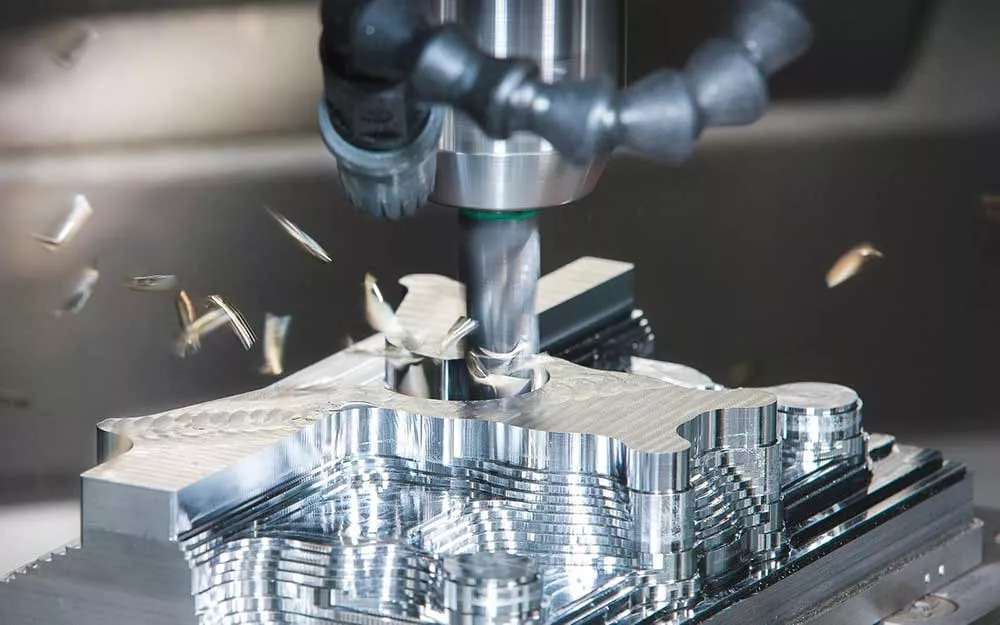
The core of CNC machining lies in using computer programs to precisely control the machine tool’s movement path. Operators only need to input part parameters (e.g., dimensions) and tool paths into the control system, and the machine will automatically execute processes like cutting, drilling, and milling as per preset instructions. This digital control method completely eliminates the over-reliance on manual operation experience in traditional machining, avoiding dimensional deviations caused by human factors. Whether for tiny shaft components or complex box-type parts, CNC machining ensures every dimension strictly meets design requirements, providing reliable assurance for the precise assembly of hardware machinery.
Complex Structure: Easily Achievable Machining Capability
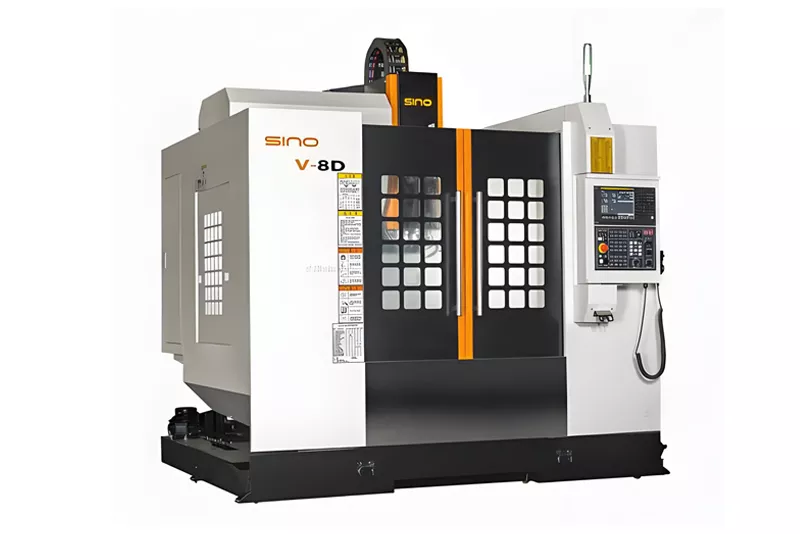
Precision metal parts often feature complex geometries such as curved surfaces, threads, and irregular holes. Traditional machining methods require multiple setups and tool changes for these structures, leading to low efficiency and cumulative errors from repeated positioning. In contrast, CNC machining uses multi-axis linkage technology to complete multi-face processing in a single setup. For example, five-axis CNC machines can simultaneously control tool movement in five directions, easily machining complex surfaces that are hard to achieve with traditional methods—such as aircraft engine blades and medical device joints. This capability significantly expands the design possibilities for precision metal parts, greatly enhancing product performance.
Material Adaptation: Extensive Processing Range
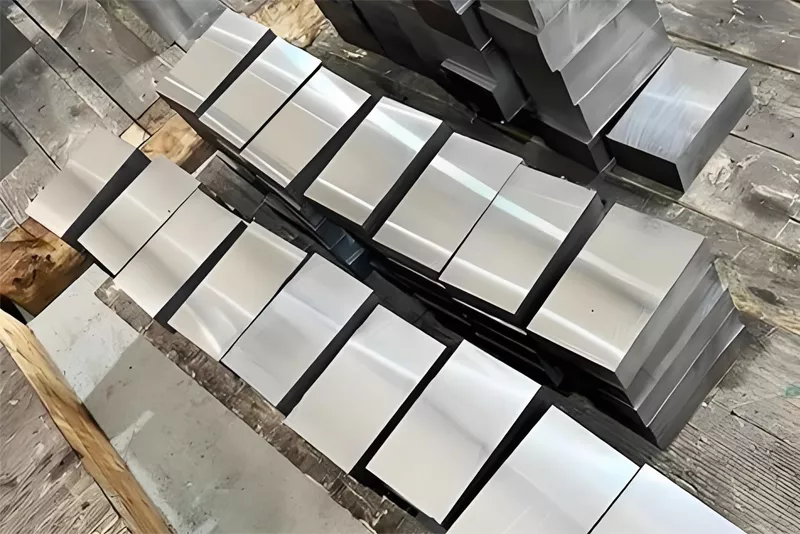
Metal hardware parts involve a variety of materials, ranging from common ones like aluminum alloy and stainless steel to high-strength titanium alloy and hard metal. The physical properties of different materials impose varying requirements on machining processes. CNC machining can adapt to the processing needs of various materials by adjusting cutting parameters and selecting dedicated tools. For soft metals such as aluminum alloy, high-speed cutting technology can be adopted to improve processing efficiency while ensuring surface quality; for hard materials like stainless steel, tool wear can be reduced and processing accuracy ensured by optimizing tool geometric angles and cooling methods. This material adaptability enables CNC machining to be widely applied in numerous metal hardware-related industries such as automotive, electronics, and mold making.
Efficient Production: Quality Assurance for Batch Manufacturing
In hardware machinery manufacturing, batch production of parts is the norm. CNC machining, through its program replication function, can quickly generate machining instructions for multiple identical parts, enabling standardized and large-scale production. Compared to traditional machining, CNC machining does not require individual adjustment of the machine tool for each part, significantly shortening production preparation time. Additionally, since the machining process is automatically controlled by a computer, the dimensional consistency of parts in the same batch is extremely high, effectively avoiding product quality fluctuations caused by differences in manual operation. This efficient and stable production capacity reduces production costs for hardware machinery enterprises and enhances their market competitiveness.
Quality Control: A Processing System with Full-Process Traceability
The quality of precision parts is directly related to the performance and lifespan of hardware machinery. CNC machining systems are usually equipped with online detection functions, which can monitor key parameters such as part dimensions and surface roughness in real time during the machining process. Once deviations are detected, they will automatically correct or alarm and stop the machine immediately. In addition, machining data can be recorded and stored throughout the process, enabling quality traceability from raw materials to finished products. This strict quality control system ensures that each precision part meets design requirements, providing a solid foundation for the reliable operation of hardware machinery.
CNC machining of hardware mechanical precision parts is a deep integration of modern manufacturing technology and the traditional hardware industry. With advantages such as precise control, complex processing, material compatibility, efficient production, and strict quality control, it is driving hardware mechanical products toward higher precision and better performance. As technology continues to advance, CNC machining will play an even more important role in the field of hardware mechanical manufacturing, providing strong support for industrial upgrading and intelligent manufacturing.