
Non-standard precision hardware: high accuracy, custom solutions
In the modern industrial system, non-standard precision hardware processing is like a core driving force for industrial development. From basic equipment manufacturing to cutting-edge technology applications, it provides solid support for industrial development with its high-precision and customized product characteristics, playing an irreplaceable role in multiple fields.
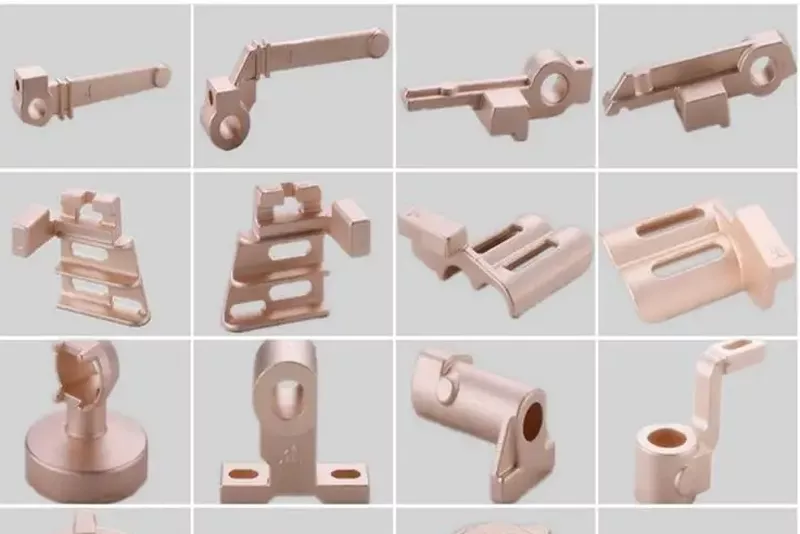
Non-standard precision hardware processing provides critical component support for industrial production. In the field of mechanical manufacturing, core components such as drive shafts, precision gears, and molds in various equipment all rely on precision hardware processing technology for manufacturing. The accuracy of these components directly affects the performance and stability of mechanical equipment. For example, precision hardware parts in automobile engines have a machining accuracy reaching the micrometer level, ensuring efficient engine operation and improving the overall vehicle quality and safety. Through customized production, non-standard precision hardware processing can also meet the special needs of different industries and equipment, laying the foundation for the diversified and personalized development of industrial production.
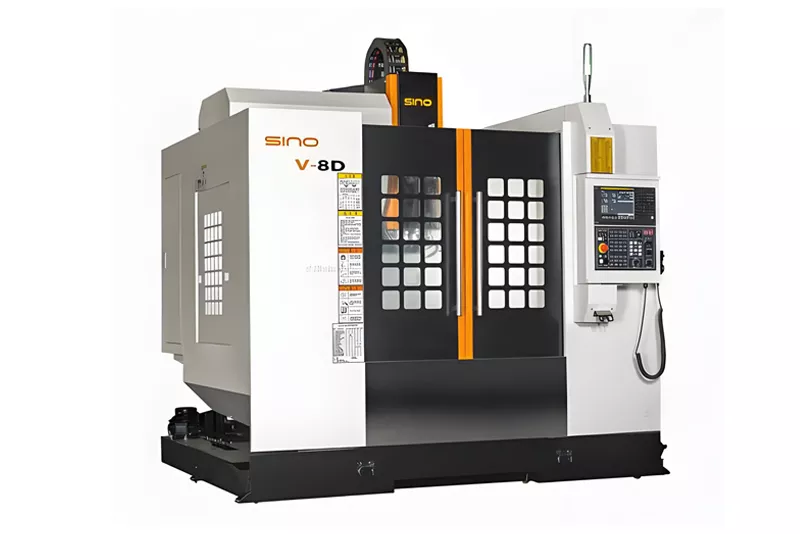
In promoting industrial upgrading, non-standard precision hardware processing plays an important role. With the arrival of the Industrial 4.0 and the era of smart manufacturing, the requirements for the precision and intelligence of parts are constantly increasing. Non-standard precision hardware processing enterprises are actively introducing advanced technologies such as CNC machining, 3D printing, and laser processing. Not only have these efforts improved their own production efficiency and machining accuracy, but they also provide high-precision, high-performance parts for emerging industries such as automated equipment and intelligent robots, accelerating the intelligent transformation of industries.
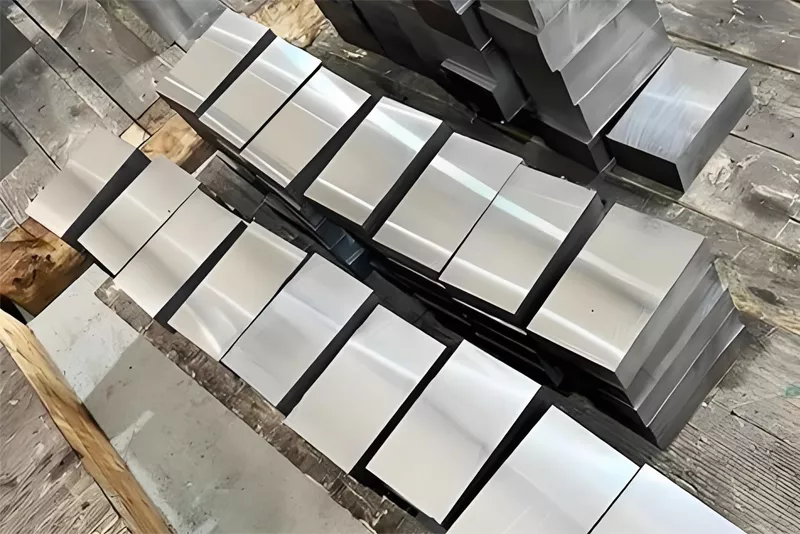
In addition, non-standard precision hardware processing is driving the development of emerging industries. In fields such as aerospace, new energy, and medical equipment, non-standard precision hardware processing technology plays a crucial role. In the aerospace sector, the precision machining of special materials like titanium alloys and high-temperature alloys meets the stringent requirements of aircraft components for lightweight design, high strength, and heat resistance. In new energy vehicle manufacturing, precision hardware parts such as battery connectors and motor components ensure the safety and driving range of new energy vehicles. Precision hardware parts in medical equipment, such as stents and orthopedic implants, provide support for medical technology innovation with their high precision and biocompatibility.
Non-standard precision hardware processing promotes industrial development in an all-round way by providing key components, driving industrial upgrading, and supporting the development of emerging industries. With continuous technological innovation, it will play a more important role in the industrial field and inject sustained momentum into the process of industrial modernization.