
Core Technical Measures for Quality Control in Robot Component Machining
The processing quality of robot components directly affects the equipment's motion accuracy and service life. High-quality parts must meet requirements such as dimensional accuracy (e.g., tolerance of critical mating surfaces ≤±0.01mm), material stability, and functional reliability simultaneously. Based on the CNC machining technology system, this paper systematically elaborates on the technical paths and implementation specifications for ensuring processing quality from five dimensions: process parameter control, material standard management, equipment precision guarantee, personnel capability building, and quality improvement mechanisms.
1. Process Parameter Control - Core Technical Measures for Robot Part Machining Quality Control
Ensuring machining stability through dynamic optimization of cutting parameters:
• High-speed cutting feed rate for aluminum alloy parts ≥ 6000 mm/min
• Maintain cutting temperature below 550°C during titanium alloy machining
• Tool path planning reduces idle travel by >40%
Process simulation software predicts over 90% of overcutting risks
2. Material Quality Control Benchmark - Core Technical Measures for Robot Component Machining Quality Control
Selection Criteria:
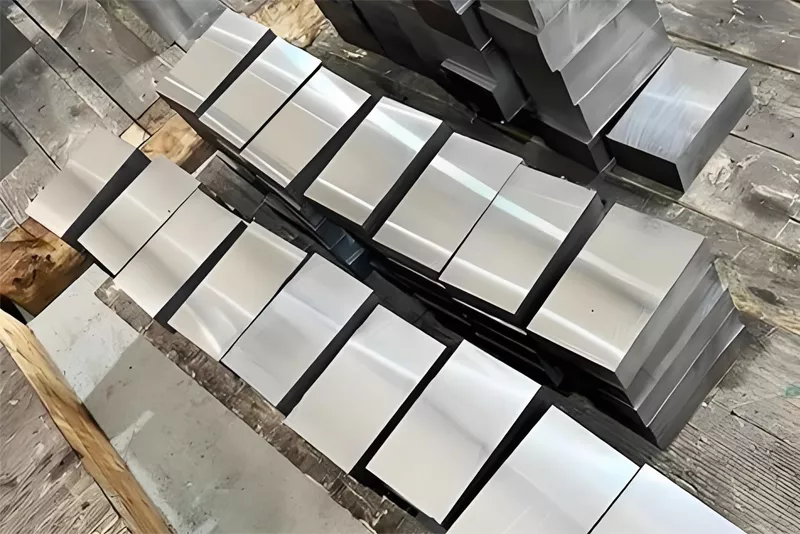
• Load-bearing structural components: 4340M steel with hardness 36-42 HRC
• Lightweight components: 7075-T651 aluminum alloy
Pre-treatment Specifications:
• Material hardness dispersion control ≤ ±3 HB
• Stress relief treatment deformation < 0.05 mm/m
Material incoming inspection scrap interception rate > 85%
3. Equipment Precision Management System
Machining Equipment:
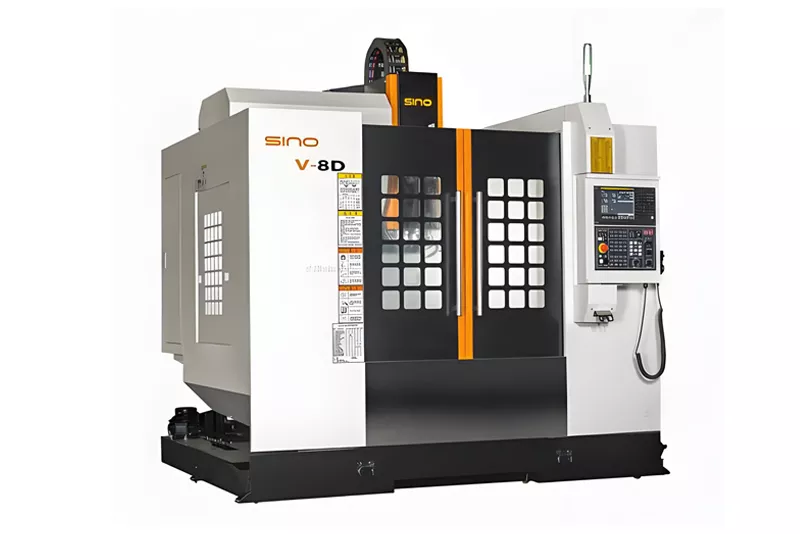
• Five-axis machine tool repeatability positioning accuracy ≤ ±0.003mm
• Spindle radial runout < 1.5μm
Inspection System:
• Three-coordinate measuring machine accuracy: 1.8 + 0.03L/1000μm
• Surface roughness meter resolution: 0.001μm
• Laser interferometer calibration cycle ≤ 90 days
4. Standardization of Personnel Operations
Training System for Competence:
• CNC programming error rate reduced to 0.2 errors per thousand lines
• Process parameter setting accuracy >98%
Process Control Requirements:
• Fixture positioning error ≤0.005mm
• Cutting fluid concentration fluctuation within ±0.5%
Automatic machine shutdown response time for non-compliant operations <3 seconds
5. Quality Improvement Closed-Loop Mechanism
Data Feedback System:
• SPC Analysis of Key Dimension Fluctuations (CPK ≥ 1.67)
• Tool Wear Prediction Accuracy > 93%
Continuous Optimization Measures:
• Monthly Update Rate of Cutting Parameter Library: 15%
• Reoccurrence Rate of Process Defects < 0.5%