
Complete Analysis of CNC Machining Surface Treatment Processes: How to Choose Between Spraying, Plating, and Anodizing
In the field of CNC machining, surface treatment processes play a crucial role. This article will progressively analyze various technologies such as spraying, electroplating, and anodizing. The selection of these processes depends on different materials and application scenarios, and can significantly enhance the performance and durability of parts. For example, spraying not only improves appearance but also enhances the corrosion resistance of parts, making it applicable to various industries. During the electroplating process, by depositing a layer of metal material, the wear resistance and conductivity of parts can be effectively improved. Anodizing, on the other hand, can strengthen the surface of aluminum and its alloys, providing support for high-demand industries such as aviation. The following chapters will delve into the specific applications and practical effects of each process, offering clear references for industry professionals.
Spray Coating in CNC Machining: Functions & Industry Applications
Spray coating technology plays an important role in numerical control machining, mainly used to improve the surface performance of parts. Through spraying, the appearance of parts can be improved, while also enhancing their corrosion resistance and wear resistance. This treatment is applicable to multiple industries, including aviation, automotive, and electronics. In the aviation industry, spraying can protect critical components from harsh environmental conditions. In the automotive industry, spraying not only enhances rust resistance but also provides a variety of aesthetic effects to meet market demands. Additionally, in electronic products, spray coating technology helps improve the insulation properties of casings. With technological development, spray coating processes continue to innovate, offering broader application options for different fields.
Electroplating in CNC Machining: Process Overview & Key Benefits
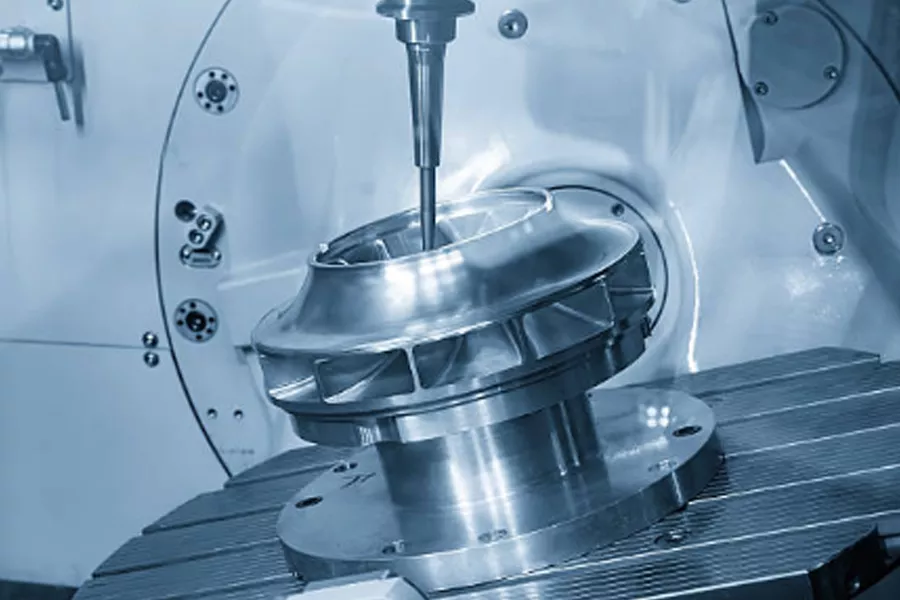
Electroplating is a process that deposits metal ions onto the surface of a part using electric current. In numerical control machining, electroplating can significantly enhance the part's corrosion resistance and wear resistance. This process is applicable to most metal materials and can provide an additional protective layer while maintaining the part's good electrical conductivity. By accurately controlling the thickness of the electroplating, manufacturers can meet the requirements of different applications, such as the increasingly demanding needs for oxidation and wear resistance in the automotive, aerospace, and electronics industries. Furthermore, the electroplating process is relatively flexible and can be combined with other machining methods to improve overall production efficiency. These advantages have made electroplating increasingly favored by the manufacturing industry.
Anodizing in CNC Parts: Boosting Performance & Real‑World Cases
Anodizing is an electrochemical treatment method primarily used to enhance the surface properties of aluminum and its alloys. By applying an electric current in an electrolyte solution, an oxide layer forms on the aluminum surface. This layer not only provides excellent corrosion resistance but also improves the wear resistance and adhesion of the parts. Especially in industries such as aviation, automotive, and electronics, the application of this process can significantly extend the service life of parts. For example, in aircraft components, anodizing treatment can effectively reduce friction and wear, ensuring stable operation under high loads and harsh conditions. In addition, anodizing allows for the selection of different colors and finishes according to customer requirements, providing an attractive appearance for products. Through these advantages, anodizing has become an indispensable important process in the field of CNC machining.
Surface Treatments in CNC Parts: Boosting Performance Explored
In CNC machining, surface treatment processes significantly affect the performance of parts. Spraying technology enhances the corrosion resistance and wear resistance of parts by forming a protective film, making it particularly suitable for the automotive and machinery manufacturing industries. Electroplating, on the other hand, provides excellent electrical conductivity and an attractive appearance, and is widely used in electronic products and decorative items. Anodizing improves the corrosion resistance and oxidation resistance of materials such as aluminum alloys, and is commonly used in high-demand industries like aviation and aerospace. Different processes not only extend the service life of parts but also improve their functional properties. Enterprises can select appropriate surface treatment solutions based on product requirements to maximize part performance.
Surface treatment processes in CNC machining, such as spraying, electroplating, and anodizing, all provide effective solutions for enhancing part performance. These processes not only improve the corrosion resistance and wear resistance of parts but also enhance their appearance and functionality. As industry requirements for part performance continue to rise, selecting the appropriate surface treatment process has become increasingly important. Enterprises can find the best match from various treatment methods based on different materials and industry needs to improve product quality and service life. This process requires in-depth analysis of the characteristics and application scenarios of each process to ensure that the final product has a competitive advantage.