
Precision Parts Machining: Smart Processing, Strengthens High-End Manufacturing Quality.
Against the backdrop of continuously increasing demands for component precision and stability in the high-end manufacturing industry, precision component machining has become a key link in determining product performance and core competitiveness. Among these, intelligent machining of precision parts, with its advantages of high-precision control, efficient production capacity, and flexible adaptability, has gradually become the mainstream technical solution in the field of precision component machining, widely supporting the high-quality development of industries such as automobiles, aerospace, medical equipment, and electronic information.
Precision Component Intelligent Machining: Core Technical Support for Precision Parts Machining
The core requirements of precision component machining lie in 'micron-level precision control, complex structure forming, and batch consistency guarantee'. Precision component intelligent machining addresses the pain points of traditional machining modes through digital control and integrated machining processes, becoming the core means to achieve high-quality production of precision components.
High-Precision Control Meets Stringent Tolerance Requirements: Smart precision machining relies on CNC systems (e.g., FANUC, Mitsubishi) and high-precision servo drive technology to control machining tolerances within ±0.01–0.05 mm. Coupled with ball screws (positioning accuracy ≤ 0.02 mm/m) and high-speed spindles (up to 15,000–24,000 r/min), it easily achieves strict standards for dimensional accuracy, geometric accuracy, and surface roughness (Ra ≤ 0.2 μm). This meets the ultra‑precision demands of aerospace, medical devices, and other high‑end sectors.
Integrated processing enhances production efficiency and stability: Traditional precision component machining requires multiple machines to perform operations in separate steps, and workpieces are prone to positioning errors due to multiple clamping. In contrast, intelligent precision machining can complete multiple processes such as milling, drilling, boring, tapping, and chamfering with a single clamping, reducing clamping times by more than 70%. This not only shortens the production cycle but also avoids precision loss caused by multiple clamping. Taking the precision gear machining of automobiles as an example, intelligent machining reduces the per-unit production time by 40% compared to traditional processes, and the pass rate for batch processing remains stable above 99%.
Flexible adaptation to meet complex structural processing requirements: In response to the production characteristics of precision parts, which are 'diverse varieties, s mall batches, and complex structures', intelligent processing of precision parts can switch processing scenarios within 30 minutes through rapid editing of CNC programs, changing tool libraries (with capacities ranging from 24 to 60 tools), and using customized fixtures. Whether it's irregular curved surfaces (such as artificial joints in medical devices), micro-holes (diameters 0.1-0.3mm, electronic components) or thin-walled parts (thickness 0.1-0.5mm, aerospace components), precise forming can be achieved through intelligent processing.
Core application fields of precision component machining: covering key requirements of multiple industries
The quality of precision components directly affects the performance and safety of end products. Therefore, intelligent machining technology for precision parts has deeply penetrated multiple high-end manufacturing fields, becoming the 'invisible cornerstone' supporting industry technological upgrades.
In the automotive manufacturing field, components such as motor rotors of new energy vehicles, precision terminals of Battery Management Systems (BMS), and precision gears of transmissions need to maintain stable performance under complex operating conditions. Through intelligent machining of precision parts, high-precision meshing, low friction coefficient, and fatigue resistance of components can be achieved, ensuring the power transmission efficiency and driving safety of automobiles.
In the aerospace field, components such as aircraft engine turbine blades, fuselage structural fasteners, and satellite precision brackets often use difficult-to-machine materials like titanium alloys and high-temperature alloys, which need to withstand high-temperature, high-pressure, and strong vibration environments. Precision intelligent machining of precision parts, through carbide cutting tools and low-speed high-precision cutting processes, can achieve precise cutting of difficult-to-machine materials while ensuring the mechanical properties and dimensional stability of the components.
In the medical device field: components such as precision joints of surgical robots, cochlear implant shells, and core sensors of blood glucose monitors not only need to meet medical-grade precision (tolerance ≤ 0.03mm) but also must possess biocompatibility and surface smoothness (no burrs, no scratches). Intelligent machining of precision parts, through integrated polishing processes and online detection control, can achieve a surface smoothness of Ra ≤ 0.1μm for components while avoiding damage to material properties during the machining process.
In the field of electronic information: components such as 5G base station filter cavities, semiconductor packaging molds, and precision connectors for consumer electronics exhibit characteristics of 'miniaturization and high integration', requiring the machining of fine structures such as micro-holes and narrow slots (width 0.05-0.1mm). Intelligent machining of precision parts, through micro-milling technology and high-speed spindle control, can achieve precise forming of microstructures, supporting the development of high performance and miniaturization of electronic products.
Quality Control of Precision Component Machining: Full-Process Assurance for Stable Quality
The 'precision' and 'consistency' of precision components depend on full-process quality control. Professional intelligent machining service providers for precision parts need to establish a comprehensive control system covering all links from raw materials to finished products, ensuring that every product meets the standards.
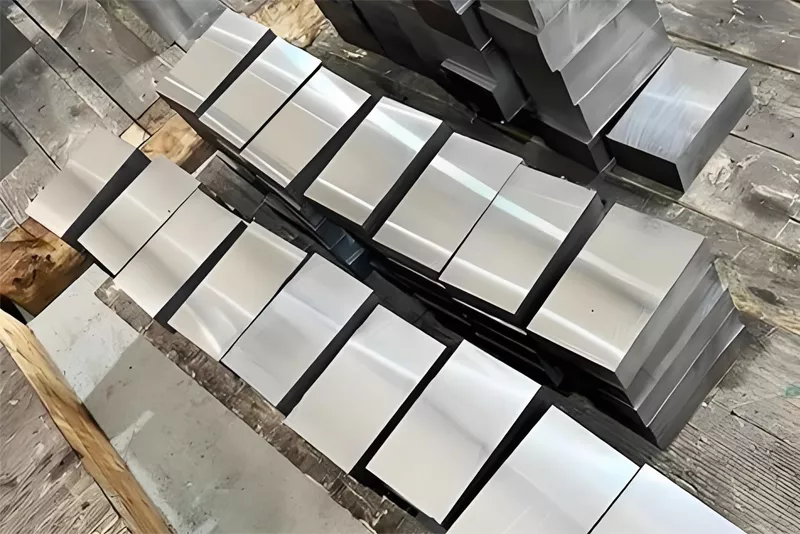
Raw Material Screening and Testing: Prioritize the selection of high-quality raw materials that meet industry standards (such as aviation-grade aluminum alloy and medical-grade stainless steel). Test the composition and mechanical properties of the raw materials using equipment such as spectrometers and hardness testers to eliminate quality risks from the source.
Real-time Monitoring of Processing: During the intelligent processing of precision parts, real-time monitoring of processing parameters (such as cutting speed, feed rate, depth of cut) is carried out through the machine tool's built-in tool wear monitoring system and cutting force sensors. Once parameter deviations occur, the system can automatically pause and alarm to prevent the production of non-conforming products.
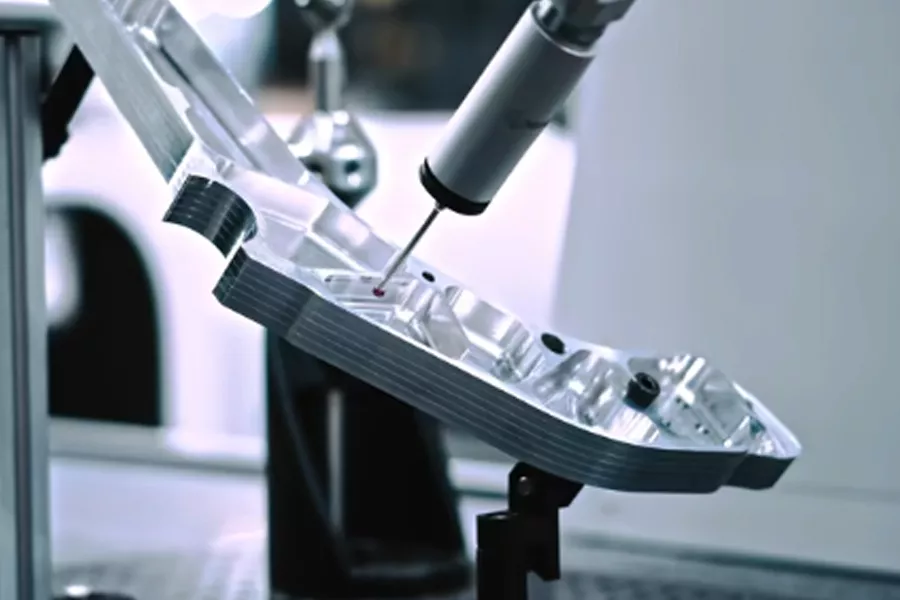
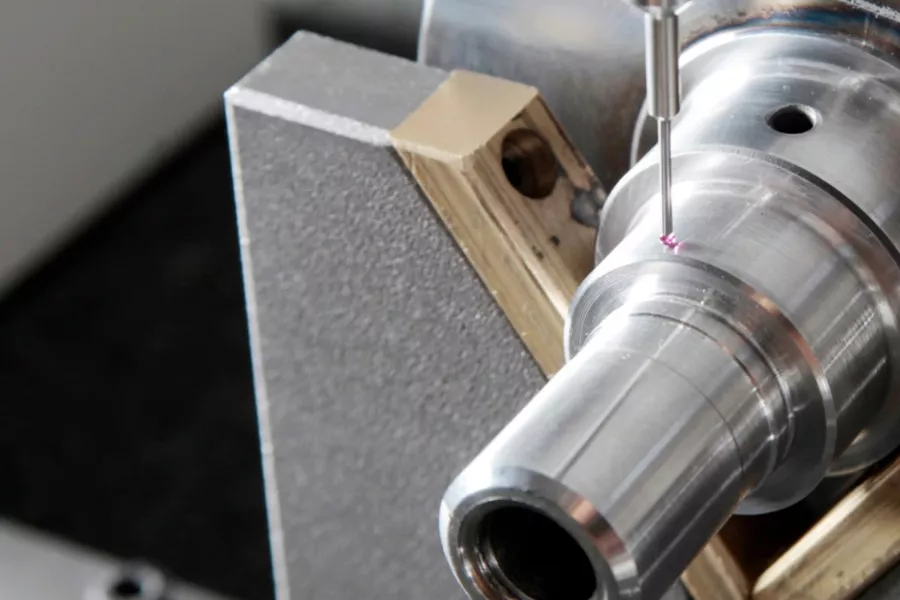
Full Translation: Finished Product High-Precision Inspection: The inspection stage uses advanced equipment such as coordinate measuring machines (CMM, measurement accuracy ≤ 0.001 mm) and laser interferometers to conduct comprehensive checks on part dimensions, geometric tolerances, and surface roughness, generating detailed inspection reports. A product traceability system is also established—each component is assigned a unique ID, enabling traceability of the machining equipment, operator, and inspection data.
Systematic Quality Certification: Legitimate precision parts processing enterprises need to pass the ISO9001 quality management system certification. For the automotive industry, additional IATF16949 certification is required, and for the medical industry, compliance with the ISO13485 certification standard is necessary. Systematic management ensures stable quality.
Selecting a Professional Precision Parts Machining Service Provider: Key Decision Points
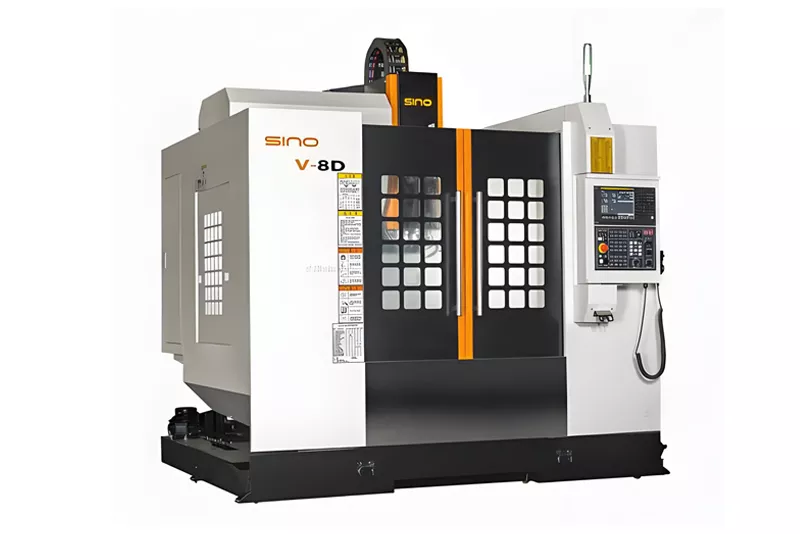
Technical capabilities and equipment configuration: Prioritize service providers equipped with high-end intelligent machining equipment (such as five-axis intelligent machining centers, vertical machining centers) and professional programming teams (capable of handling process decomposition and program optimization for complex parts). At the same time, pay attention to whether they have the ability to develop customized processes, such as machining solutions for special materials (e.g., ceramics, composite materials).
Quality control capability: Evaluate whether the service provider has established a full-process quality control system, is equipped with high-precision testing equipment, and has a pass rate and customer feedback from past projects; request test reports and cases of similar products to verify its quality assurance capability.
Delivery capability and service response: Precision component machining needs to balance 'accuracy' and 'efficiency'. It is necessary to confirm the service provider's production capacity (such as the number of equipment, workshop area) and delivery cycle commitment. At the same time, attention should be paid to its after-sales service, such as whether it provides after-sales testing of components, process optimization suggestions and other value-added services.
As the high-end manufacturing industry transforms towards 'intelligentization and precision', the technical barriers and quality requirements for precision component machining will continue to rise. As a core technological means, intelligent machining of precision parts will play an even more significant role in driving industry upgrading. In the future, with technologies such as AI-based process parameter optimization and digital twin-based machining process simulation, intelligent machining of precision parts will achieve development characterized by 'higher precision, greater efficiency, and greener processes', further solidifying the quality foundation of high-end manufacturing.