
About the Advantages and Working Principle of CNC Machining
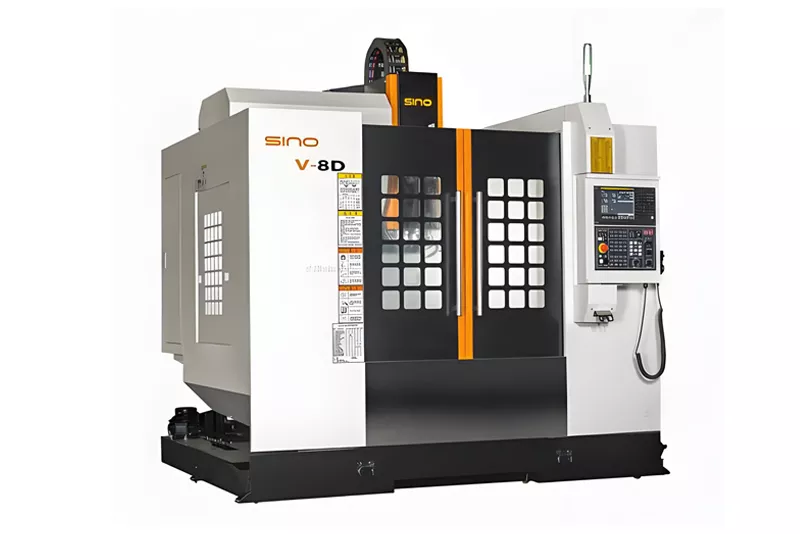
CNC machining is a short for Computer Numerical Control machining, which uses a computer control system to control tools and workpieces during processing. When using CNC machining, maintain focus, avoid chatting, and cooperate with each other. Operators must not use the machine when they are irritable or fatigued to prevent accidents and ensure work safety. Before mechanical operation, check if lubricating oil has been added to moving parts. After CNC machining is completed, run checks to ensure the clutch and brake function normally. Let the machine idle for 1 to 3 minutes. It is strictly prohibited to use the machine when it has a fault. If abnormal sounds or malfunctions are detected in the machine, turn off the power switch for inspection. When finishing work, turn off the machine, tidy up finished products, debris, and scraps on the workstation, and ensure the workplace is clean and safe. Unauthorized personnel are strictly prohibited from entering. The following are the advantages and working principle of CNC machining:
Advantages:
High Precision: CNC machining has extremely high precision, capable of reaching dimensions as small as several micrometers, ensuring the consistency and accuracy of the machining quality.
High Efficiency: CNC machining is automatically controlled by computer programs, eliminating the need for manual operation, thereby improving machining efficiency and production speed.
Flexibility: CNC machining can be quickly adjusted and modified according to requirements, simply by modifying the computer program, without the need to remake molds.
Diversity: CNC machining can be used to process workpieces of various shapes and materials, including metals, plastics, wood, etc., demonstrating strong applicability.
Automation: CNC machining can achieve automated production, reducing the need for manual intervention and operation, thereby lowering labor costs and the probability of human error.
Working Principle:
1.Design and programming: First, according to the processing requirements, use CAD software to design the workpiece, and convert the designed model into a CNC machining program.
2. Machining Preparation: Load the CNC program into the machine tool's control system and set the machining parameters, such as tool size, machining speed, etc.
3.Processing Process: According to the CNC program, the machine tool's control system will automatically control the movement of the tool and the workpiece to complete the processing. The control system will precisely control the position and motion trajectory of the tool according to the preset path and instructions, thereby achieving the processing of the workpiece.
4.Inspection and Adjustment: After machining is completed, the machined part needs to be inspected and adjusted. Dimensional measurements can be performed using measuring tools (such as micrometers, calipers, etc.) to ensure that the precision and quality of the machined part meet the requirements. If adjustments are needed, they can be made by modifying the CNC program or adjusting the machine tool parameters.
5.Maintenance and Care: During the use of CNC machining, regular maintenance and care of the machine tool are required, including cleaning, lubrication, tool replacement, etc. This can maintain the normal operation of the machine tool and extend its service life.
As is well known, CNC machining has the advantages of high precision, high efficiency, flexibility, diversity, and automation. However, CNC machining also has its drawbacks. Firstly, CNC machining is not something that anyone can operate practically; it requires experienced personnel to perform the actual operations. Secondly, a drawback of CNC lathe machining is that the machinery is expensive and requires maintenance personnel. Achieving precise machining of workpieces involves a high level of expertise through steps such as design and programming, machining preparation, machining process, inspection and adjustment, as well as maintenance and upkeep.