
CNC Machining of Aluminum Alloy Shells: Analysis of Precision Technology and Cost Control
In the field of precision manufacturing, CNC machining technology has become the core method for producing aluminum alloy casings. This technology converts aluminum materials into various structurally complex and high-precision casing products through digital control. Whether it's smartphones, laptops, or industrial equipment, aluminum alloy casings are highly favored for their lightweight, high strength, and excellent heat dissipation properties. However, behind a perfect aluminum alloy casing lies a long journey from raw aluminum to the final product, involving more than a dozen precision processes. Each process directly impacts the quality and cost of the end product. For mechanical processing enterprises and purchasers, understanding the entire process of CNC machining aluminum alloy casings is not only key to quality control but also the foundation of cost control. After all, in an increasingly competitive market environment, optimizing machining processes and reasonably evaluating costs are equally important.
1.A Comprehensive Analysis of the Full Process for CNC Machining Aluminum Alloy Shells
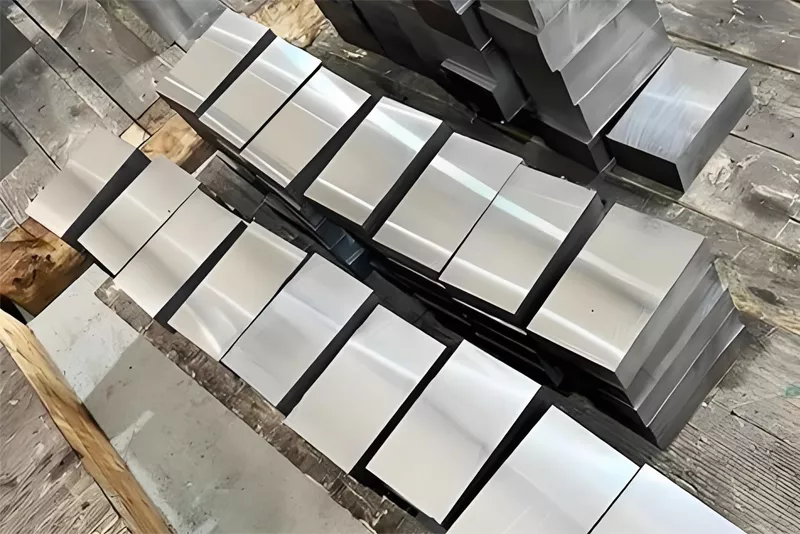
CNC machining of aluminum alloy shells is a systematic engineering process that begins with the initial treatment of aluminum materials. The first step is aluminum extrusion, where cylindrical aluminum billets are cut and squeezed into regular aluminum plates, making them denser and harder, thus laying the foundation for subsequent processing. This is followed by the DDG stage, where CNC machines mill the aluminum plates into precise three-dimensional volumes. The dimensional accuracy of the positioning holes processed at this stage must be controlled within 0.03mm, as they serve as the benchmark for all subsequent processing.
Rough milling of the internal cavity is one of the core stages. It removes most redundant material to form the internal structure and is processed together with the positioning posts that connect to the fixture, which is crucial for the stability of subsequent processes. For fully metallic shells, signal processing presents a significant challenge; therefore, milling antenna grooves becomes a critical step. It must maintain the shell's strength and overall integrity while providing a path for signal transmission.
The next stage is surface treatment and shaping. T-treatment creates nanoscale pores on the aluminum surface using chemical agents, preparing it for nano-injection molding. Nano-injection molding then injects special plastic under high pressure into these pores, achieving a metal-plastic bond to secure the antenna. Subsequently, fine milling of curved surfaces and sides completes the 3D shaping of the shell, a process that may take over 1000 seconds, resulting in the shell's preliminary form.
Surface finishing includes polishing and sandblasting. Polishing reduces the surface roughness to an A0-grade finish, achieving a mirror-like effect. Sandblasting, on the other hand, creates a matte texture, enhancing both appearance and tactile feel. Anodizing is key for coloring and performance enhancement: primary anodizing colors the product, while secondary anodizing forms a dense oxide film to improve wear resistance. Finally, fine milling of the internal cavity removes redundant components such as positioning posts, milling of conductive pads ensures good grounding, and heat-staked nuts complete assembly. Only then is the entire shell considered fully manufactured.
2.Cost Composition Analysis of CNC Machining for Aluminum Alloys
The cost calculation for CNC machining aluminum alloy enclosures is a multi-factor comprehensive process, with material cost as the foundation. The price of aluminum alloy is influenced by market fluctuations, and different material grades have varying costs and performance characteristics. Additionally, material utilization rate and scrap rate must be considered. For example, a high scrap rate from 357g of raw aluminum to a 37.5g finished enclosure directly increases costs, so optimizing material layout to reduce waste should be done during the programming phase.
Machining complexity and labor hours are the main drivers of cost. Complex designs or high precision requirements increase machining difficulty and time, thereby raising costs. Labor costs are typically calculated based on an hourly machining rate, which should include indirect costs such as equipment depreciation and maintenance. For instance, processes like milling antenna grooves and precision milling curved surfaces take longer, and high precision requirements may necessitate multiple machining steps, all of which increase total costs.
Surface treatment and other additional services also affect the total cost. Processes such as anodizing, sandblasting, or high-gloss finishing add extra expenses, and the pass rate directly impacts cost control. If quality control is not strict, leading to a high scrap rate, it will significantly increase the average cost. For buyers, batch production can reduce unit costs, but this requires optimizing production processes and improving efficiency.
3. Quality Control and Yield Improvement in Precision Machining
In the CNC machining of aluminum alloy enclosures, the first quality control checkpoint is the modeling and programming stage. Programming not only involves process setup, tool selection, and speed setting but also entails the design of clamping methods. Complex structures may require specialized fixtures, and the accuracy of preliminary assessments directly impacts machining time and costs. Experienced programmers can predict machining issues through program simulation, reducing trial-and-error costs, which forms the foundation for improving yield rates.
Strict control is required at every stage of the machining process. From roughing to finishing, precision control across multiple processes is crucial. For example, dimensional accuracy of locating holes must be controlled within 0.03mm, while more complex processes like milling antenna grooves require maintaining uniformity and strength balance. Optimization of high-speed CNC technologies such as automatic tool changing, spindle speed, and feed rate can enhance machining consistency and reduce human error.
Quality control in the surface treatment stage is also indispensable. In the anodizing process, pre-treatment steps such as degreasing, alkaline etching, chemical polishing, and black film stripping directly affect the quality of the oxide film. Parameters like sandblasting pressure and grit size are critical for ensuring the final appearance consistency. Through these meticulous controls, manufacturers can balance quality and efficiency under high cost pressures, avoiding the sacrifice of quality in pursuit of low prices.
Personal Insights and Industry Outlook on the Transition from Manufacturing to 'Smart Manufacturing
After years of observation, I believe the CNC machining of aluminum alloy enclosures industry is shifting from a sole focus on precision to a balanced emphasis on intelligence and sustainability. While high-precision machining is undoubtedly important, how to reduce material waste and lower energy consumption through process optimization is key to future competition. For example, optimizing CNC programming not only improves efficiency but also reduces waste generation, which has positive implications for cost control and environmental protection.
For buyers, attention should not be limited to individual quotes but should instead involve a comprehensive evaluation of suppliers' process maturity and quality stability. Although large-scale production can reduce unit costs, low yield rates can actually increase total costs. Therefore, establishing long-term cooperative relationships and jointly optimizing design processes is more valuable than mere price comparison. After all, a high-quality aluminum alloy enclosure is the perfect integration of material science, precision manufacturing, and surface treatment technology.
In the future, with the popularization of industrial internet and smart manufacturing, CNC machining may become more digitized and transparent. Data-driven quality control throughout the process—from programming to finished products—will further improve yield rates, and customized services will also become more flexible. This evolution will not only change machining methods but also redefine supply chain collaboration models, creating more value for quality-focused enterprises.