
CNC Machining of iPhone 17 Pro Aluminum Monoblock Case: The Engineering Art Behind Precision Manufacturing
I. Preface: From Aluminum Block to Artwork
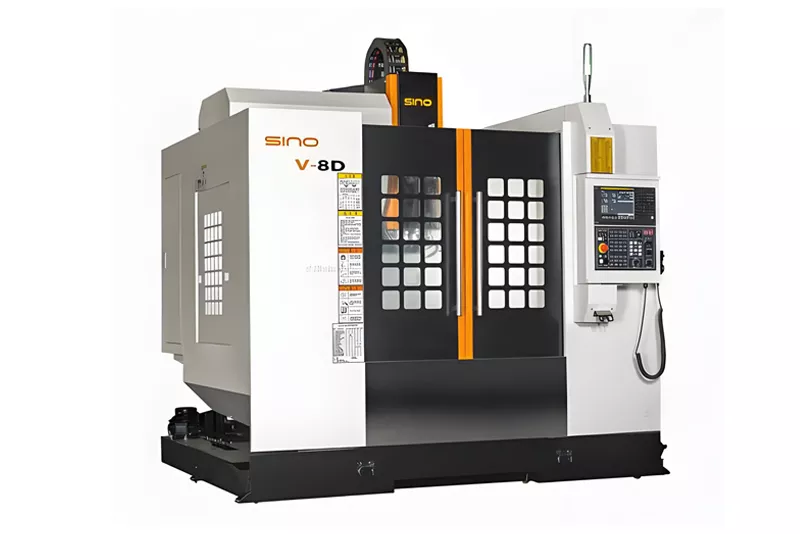
The Apple iPhone 17 Pro is more than just a smartphone; it is a technological artwork crafted through CNC precision machining technology. Its monolithic aluminum frame, produced via CNC machining, exemplifies the ultimate fusion of mechanical manufacturing and industrial design. By utilizing 5-axis CNC milling, Apple has achieved a seamless integration of the bezel and body, resulting in a perfect balance of strength, heat dissipation, and aesthetics across the entire device.
II. Key Challenges in CNC Machining the iPhone 17 Pro
1️⃣ High-Precision Challenges of Integrated Design
The iPhone 17 Pro features a fully integrated aluminum unibody case (CNC milling for iPhone 17 unibody case), meaning an entire metal block must be machined into shape in one go. Any tolerance errors can lead to poor part assembly.
2️⃣ High Surface Quality Requirements
Aesthetic areas require surface roughness (Ra value) to be controlled below 0.2μm, and perfect smoothness is needed to prepare for anodization. This is extremely demanding on tool precision and cutting parameters.
3️⃣ Difficulty in Micro-Structure Machining
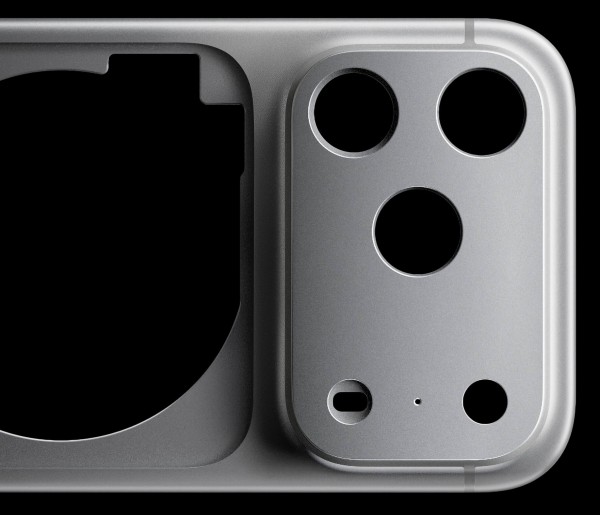
The inner side of the body includes antenna shields, card slots, and heat dissipation structures, which require high-rigidity tools and multi-axis positioning machining technology.
4️⃣ Clamping and Deformation Control
Aluminum alloys are prone to thermal deformation during machining. CNC fixtures and cooling strategies must be repeatedly optimized to ensure the case maintains geometric stability.
III. Advantages of Aluminum Alloy Materials
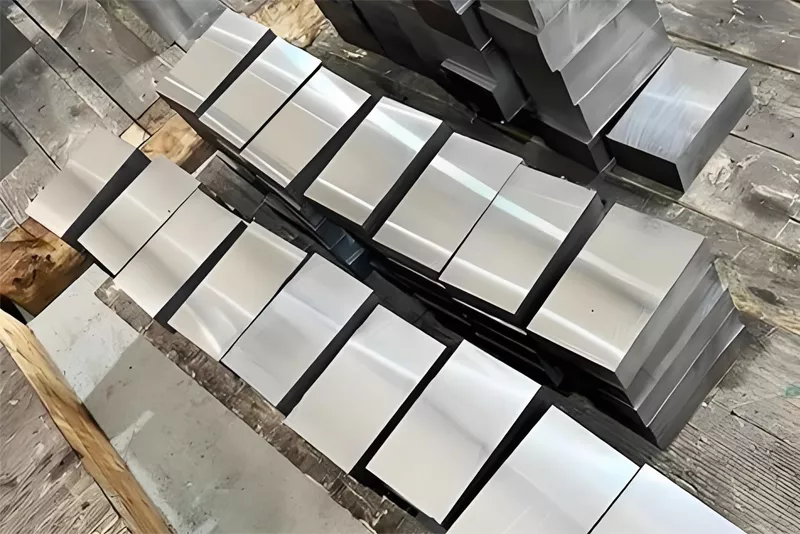
The casing of the iPhone 17 Pro is made of high-strength aluminum alloys (such as the 6063 or 7075 series), which offer the following prominent advantages: