
CNC Machining Industry: In-depth Analysis of Future Trends and Technological Innovations
In today's rapidly evolving manufacturing industry, the CNC (Computer Numerical Control) machining sector is undergoing a technological revolution. With the rise of automation, artificial intelligence, additive manufacturing (3D printing), and other emerging technologies, CNC machining is no longer just simple CNC operations; it has integrated more intelligent and innovative technical tools. This blog will delve into the latest technologies and developments in the current CNC machining industry, helping customers better grasp industry trends.
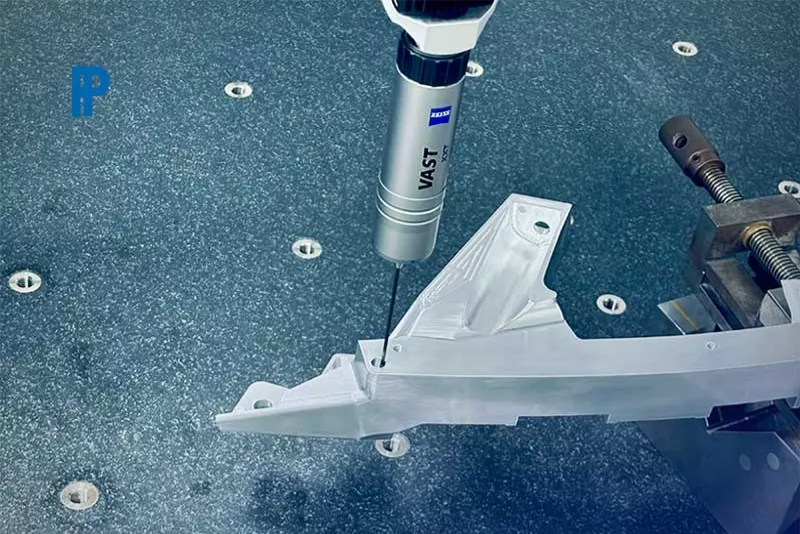
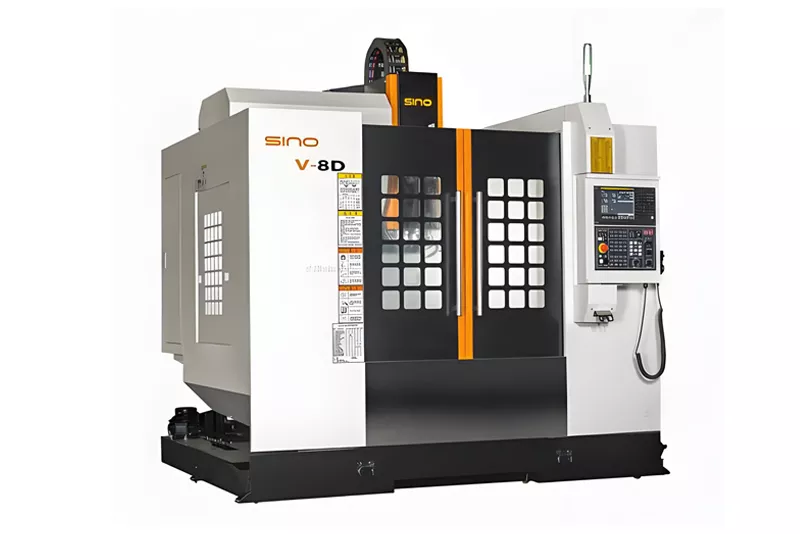
Application of Intelligent Manufacturing and Automation in CNC Machining Intelligent manufacturing is gradually transforming the way CNC machining operates. Automated systems enable machines to run efficiently for long periods with minimal human intervention, significantly boosting productivity. For example, modern CNC machine tools integrate automatic loading and unloading functions and use sensors and data feedback systems for real‑time monitoring and adjustments. Data Support: According to a MarketsandMarkets report, the global intelligent manufacturing market is projected to reach USD 38.5 billion by 2023, with a compound annual growth rate exceeding 15%. This reflects the growing demand for smart CNC machining equipment. Example: FastPreci recently implemented a fully automated CNC machining solution for an automotive manufacturing client. The automated equipment runs two shifts for 20 hours per day, increasing productivity by 30% while reducing human errors.
Synergy Between Additive Manufacturing (3D Printing) and CNC Machining Although CNC machining remains irreplaceable for high‑precision manufacturing, many companies are now combining it with additive manufacturing as 3D printing technology advances. CNC machining provides precise cutting and surface finishing, while 3D printing excels at rapid prototyping of complex structures. Technology Integration: FastPreci is currently developing a solution that combines CNC and 3D printing to produce parts with complex geometries. By first using 3D printing to create rough blanks and then applying CNC machining for high‑precision surface finishing, the manufacturing cycle is greatly shortened—making it especially suitable for aerospace and medical device production.
Artificial Intelligence and CNC Machining: Improving Efficiency and Enabling Predictive Maintenance
Artificial intelligence (AI) has begun to permeate CNC machining processes, from optimizing workflows to predictive maintenance. AI can automatically adjust tool parameters and machining paths through real‑time data analysis, improving efficiency and reducing scrap. In addition, machine learning algorithms can predict equipment failures and schedule maintenance in advance to avoid downtime.
Case Study: FastPreci introduced an AI‑driven predictive maintenance system that analyzes machine data to forecast potential issues 2–3 days in advance, helping us reduce equipment failures by 20% and ensure continuous operation of production lines. Industry Data: According to Deloitte research, manufacturers implementing AI technologies have improved equipment availability by 11–14% and increased productivity by 10%.
Innovation in High‑Efficiency Cutting Tool Materials In CNC machining, tool quality directly affects machining efficiency and precision. In recent years, many new materials and coating technologies have significantly enhanced tool life and performance. For instance, silicon carbide ceramic tools are increasingly used for cutting high‑temperature alloys and difficult‑to‑machine materials due to their high hardness and wear resistance. Project Example: In a recent project, FastPreci used newly developed silicon carbide tools to perform high‑precision cutting of titanium alloy, shortening machining time by 15% and extending tool life by approximately 20%.
Future Outlook: 5‑Axis CNC Machining and Micro/Nano Manufacturing Traditional 3‑axis or 4‑axis CNC machining is widely used in many fields, but as manufacturing demands continue to rise, 5‑axis machining is becoming the dominant trend. 5‑axis CNC machines can manipulate workpieces simultaneously from multiple directions, greatly improving the efficiency and accuracy of complex part manufacturing. Furthermore, micro/nano manufacturing is emerging as a new technology in high‑tech fields such as medical devices and semiconductors. Precision CNC micromachining enables high‑accuracy surface treatment and structural fabrication at the nanoscale, which will significantly broaden the scope of CNC machining applications. The CNC machining industry is in an era of technological innovation. Applications of automation, artificial intelligence, and additive manufacturing not only enhance production efficiency but also expand the application areas of CNC machining. FastPreci Precision Manufacturing always stays at the forefront of the industry, adopting the most advanced technologies and equipment to provide customers with efficient, high‑quality machining services. No matter how future trends evolve, we remain committed to delivering the best solutions for our clients.
If you want, I can also help you polish this into professional marketing copy so it reads more fluently for an international audience. Would you like me to do that?