
Analysis of Deformation Control Technology in Thin-Wall Part Machining with Profile Processing Centers
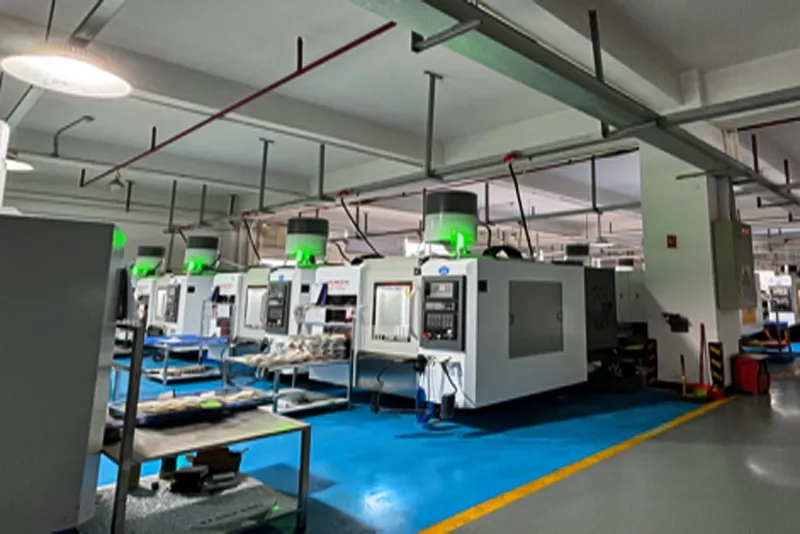
In modern manufacturing, profile machining centers have become important equipment for thin-walled part processing due to their high efficiency and precision. However, thin-walled parts, with their thin walls and susceptibility to deformation, pose extremely high requirements for machining technology. This article will deeply analyze the deformation control technology of profile machining centers in thin-walled part processing, revealing advanced solutions within the industry for you.
I. Challenges and Importance of Machining Thin-Walled Parts
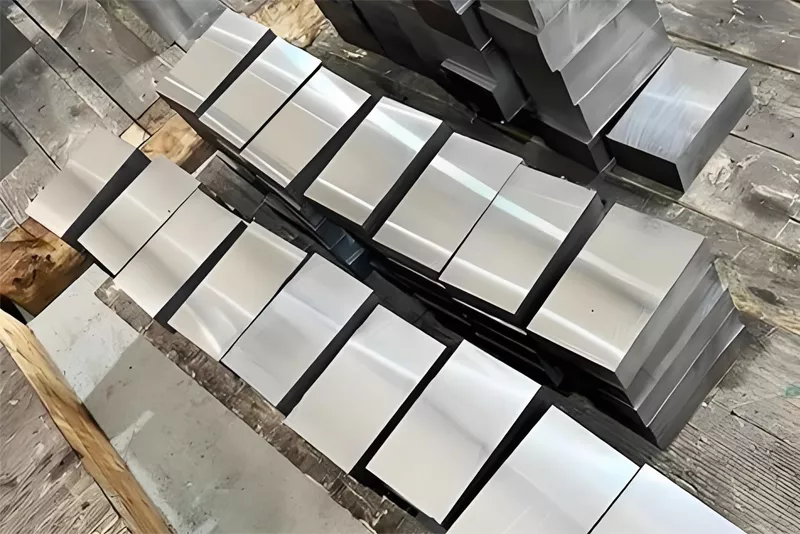
Thin-walled components are widely used in fields such as aviation, automotive, and electronics, but deformation problems during their machining process have long troubled manufacturers. Statistics show that the deformation rate in thin-walled component machining is as high as 20%, seriously affecting product quality and machining efficiency. Therefore, mastering effective deformation control technologies is of great significance for improving the machining quality of thin-walled components and reducing production costs.
II. Advantages of Profile Machining Centers
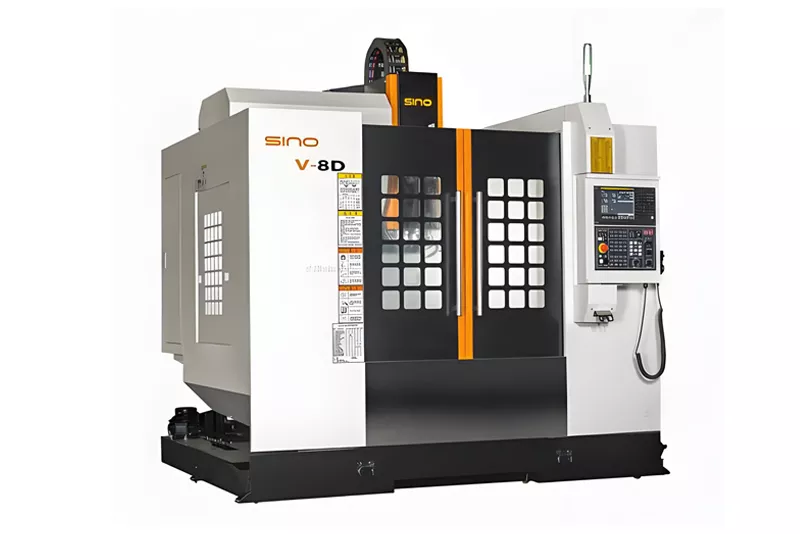
Profile machining centers integrate multiple functions such as milling, drilling, and boring into a single unit, offering high precision and efficiency. Compared with traditional machining equipment, profile machining centers demonstrate significant advantages in the processing of thin-walled components:
• High Rigidity Structure: Profile machining centers feature a high-rigidity structural design that effectively reduces vibration during machining, providing a stable foundation for processing thin-walled parts.
• Precision Control System: Equipped with advanced CNC systems, they enable micron-level precision control to ensure dimensional accuracy and surface quality in thin-walled part machining.
• Multi-Function Integration: They complete multiple machining processes in one setup, reducing workpiece clamping times and minimizing deformation risks.
III. Analysis of Deformation Control Technology
Optimize toolpaths: By using computer simulation and analysis, toolpaths are optimized to reduce the impact of cutting forces on thin-walled parts. Experimental data show that the optimized toolpaths can lower the deformation rate by more than 15%. Use dedicated fixtures: Design dedicated fixtures to enhance the support stiffness of thin-walled parts, effectively suppressing deformation during machining. For example, after implementing dedicated fixtures, one company reduced the deformation rate of its thin-walled parts to below 5%. Optimize cutting parameters: Based on the material properties of the thin-walled parts and the machining requirements, parameters such as cutting speed and feed rate are optimized to achieve efficient, low-deformation machining. Research shows that reasonable cutting parameters can reduce the deformation rate by 10%–20%. Cooling and lubrication technology: Employ an efficient cooling and lubrication system to lower temperature rise during machining and minimize thermal deformation. Experiments confirm that effective cooling and lubrication can reduce the deformation rate by 5%–10%.