
What's wrong with the CNC machining accuracy?
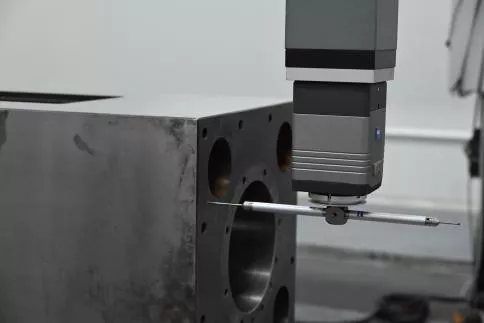
During the CNC machining process, issues with machining accuracy are often a headache for operators. Since precision manufacturing has strict requirements for the dimensions, shape, and position of parts, once accuracy deviates, it can affect product performance, service life, and even the entire project schedule. So, what causes problems with CNC machining accuracy? Through this article, we will analyze the reasons behind CNC machining accuracy issues from multiple angles and provide corresponding solutions.
I. Common Manifestations of CNC Machining Accuracy Issues
In the actual machining process, issues with CNC machining accuracy are mainly manifested in the following aspects:
• Dimensional errors: The dimensions of the machined parts deviate significantly from the design values, exceeding the tolerance range.
• Geometric errors: Geometric accuracies such as flatness, roundness, and parallelism of the parts do not meet the required standards.
• Surface roughness: The surface quality of the parts is poor, affecting subsequent assembly and use.
• Inconsistent repeatability: When the same part is machined multiple times, the dimensions and shape cannot remain consistent.
These phenomena are all external manifestations of CNC machining accuracy issues. Next, we will explore the underlying causes.
II. Factors Affecting CNC Machining Accuracy
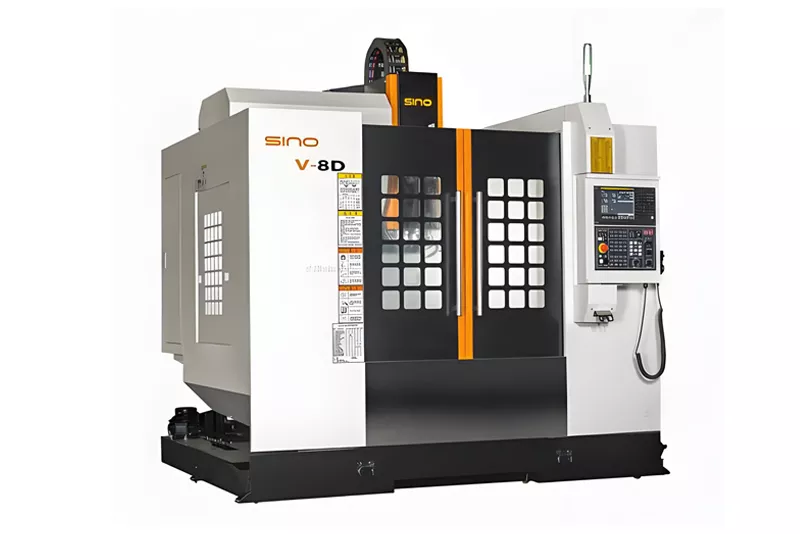
① Insufficient rigidity of machine tools. The rigidity of CNC machine tools directly affects machining accuracy. If the structure of the machine tool is not sturdy enough, it is prone to vibration during high-speed cutting, causing the tool path to deviate, which in turn leads to dimensional and form errors. This problem is particularly prominent when processing harder materials.
② Unreasonable machining process settings In CNC machining, a reasonable process flow and tool path are crucial. For example, if the tool feed speed is set too high or the cutting depth is too large, it will lead to excessive cutting load, which in turn affects machining accuracy. Insufficient coolant or improper cooling methods can also cause thermal deformation, resulting in accuracy issues.
③ Thermal Deformation During the cutting process of metal materials, heat is generated, and the thermal expansion effect may cause changes in the dimensions of the machine tool spindle, workpiece, and cutting tool. Thermal deformation is one of the important sources of machining accuracy problems. Statistics show that thermal deformation of machine tools can cause more than 30% of machining errors. Therefore, how to effectively control temperature changes has become a key factor in improving machining accuracy.
④ Tool Wear Tool wear directly affects machining quality. As the usage time of the tool increases, its cutting edge will gradually dull, thereby weakening machining accuracy. Improper selection of tool type and material also affects the machining result. For example, high-speed steel tools are prone to wear when machining hard materials, while tungsten carbide tools perform better during high-speed cutting.
⑤ Fixture Accuracy The accuracy of the workpiece fixture is also a key factor affecting machining quality. If the fixture positioning is inaccurate or becomes loose during machining, the position and posture of the workpiece will change, leading to machining errors. The rigidity and stability of the fixture material also affect its vibration resistance, thereby influencing machining accuracy.
⑥ CNC System Errors The accuracy of the CNC system in a CNC machine tool directly affects the overall machining capability of the machine tool. Parameters such as the resolution and pulse equivalent of the CNC system determine the performance of the machine tool during precision machining. If there are errors in the CNC system or delays in the signal transmission process, they will affect the accuracy of the tool path, thereby leading to unmet machining accuracy requirements.
⑦ Operator Inexperience CNC machining is a highly technology and experience-dependent task. Operator operational errors, improper machine tool parameter settings, or unreasonable process flow design can all lead to machining accuracy issues. For example, some complex workpieces require multiple positioning steps; if the operator fails to accurately master the workpiece clamping position, it will cause machining errors.
III. How to Solve CNC Machining Accuracy Problems?
① Improve machine tool rigidity. Select machine tools with high rigidity and stability, especially in large-scale production, where the stability of the machine tool is crucial for maintaining machining accuracy. If the existing machine tool has insufficient rigidity, reasonable maintenance and modification of the machine tool can be considered, such as strengthening the guide rail lubrication system of the machine tool to reduce wear and improve motion accuracy.
② Optimize machining processes. Reasonably set process parameters such as tool path, feed rate, and cutting depth to avoid accuracy issues caused by improper process settings. For workpieces of different materials, select appropriate cutting speeds and tool types to ensure tool life and machining stability.
③ Control temperature and thermal deformation During the machining process, using an appropriate amount of coolant to maintain a constant temperature of the tool and workpiece can effectively reduce errors caused by thermal deformation. Selecting machine tool structures with good thermal stability is also an effective measure to prevent thermal deformation.
④ Regularly replace or resharpen cutting tools. Cutting tools have a limited lifespan and should be inspected for wear based on machining conditions, with timely replacement or resharpening. This not only improves machining efficiency but also reduces precision issues caused by tool wear.
⑤ Use high-precision fixtures. Select fixtures with high precision and stability to ensure that the workpiece does not shift or vibrate during processing. For workpieces with complex shapes, flexible fixture systems can be adopted to improve processing stability.
⑥ Improve the accuracy of the numerical control system. Regularly calibrate the numerical control system to ensure that system errors are within a controllable range. For machining tasks with high precision requirements, high-resolution numerical control systems can be selected, and the accuracy of machining can be improved through system debugging.
⑦ Strengthen operator training. The technical proficiency of operators directly determines the quality of the machining results. By conducting regular technical training and experience sharing, improve operators' understanding and mastery of CNC machining technology, thereby reducing precision issues caused by human operational errors.
IV. Conclusion
CNC machining accuracy issues can be caused by various factors such as machine tool rigidity, process setup, thermal deformation, and tool wear. However, many of these problems can be avoided or resolved through reasonable process optimization, equipment maintenance, and technical training. Accurate machining precision not only improves product quality but also enhances production efficiency, leading to better economic benefits.