
Choosing the right fixture for the profile machining center doubles production efficiency
In modern manufacturing, CNC aluminum profile machining centers, as efficient and precise processing equipment, have become key tools for enterprises to improve productivity. To fully leverage the advantages of such equipment, selecting appropriate fixtures is particularly important. Choosing the right fixtures can double production efficiency. So how can you select the correct fixtures? Below, through professional data analysis, we will help you choose the most suitable fixtures together!
I. The Role and Importance of Fixture Tools
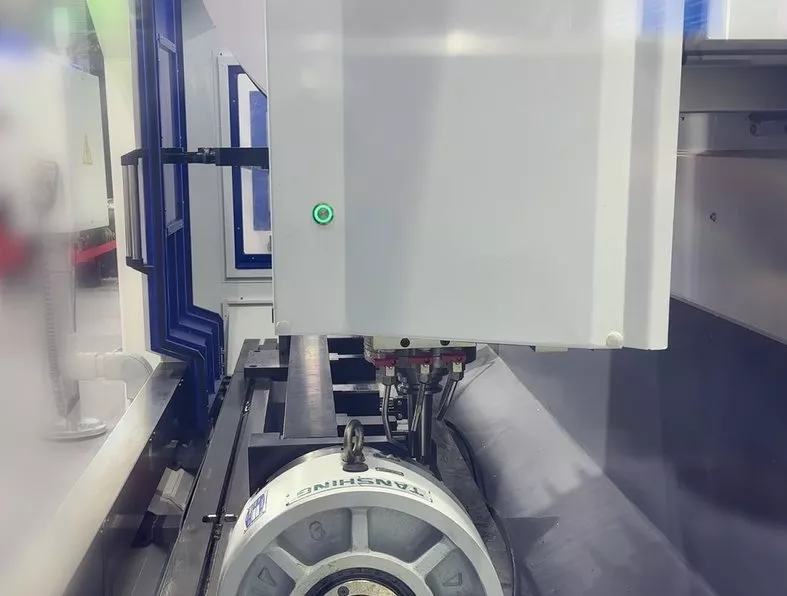
Jigs and fixtures play a crucial role in numerical control machining. They not only can fix the workpiece, ensuring the stability and accuracy of the workpiece during the machining process, but also can reduce the time for workpiece clamping, thereby effectively improving machining efficiency.
Aluminum profiles are relatively soft metal materials that are prone to deformation during processing. Therefore, the requirements for fixtures and jigs are very high. A suitable fixture design can improve positioning accuracy and ensure consistent quality standards for each processing operation. After improving positioning accuracy, not only can the defective rate be reduced, but it can also allow CNC machine tools to achieve maximum performance.
2. Reduce clamping time
In machining centers, clamping time directly affects overall production efficiency. If fixtures can quickly install and remove workpieces, the smoothness of the process is greatly improved. According to relevant statistical data, fast fixture systems can reduce clamping time by more than 40%, and the reduction in clamping time means a significant increase in hourly production volume.
3. Improve Processing Safety
Aluminum profiles are prone to damage during processing due to uneven stress. With properly designed fixtures, workpieces can be prevented from loosening or shifting during processing, significantly reducing the scrap rate, while also avoiding damage to equipment or tools caused by workpiece loosening.
II. How to Choose Suitable Jigs and Fixtures?
Selecting appropriate jigs and fixtures requires a comprehensive consideration of various factors. Only by addressing the specific needs can ideal production results be achieved.
Select according to the shape and size of the workpiece
Aluminum profiles come in a variety of shapes, such as square, round, and irregular shapes. When selecting fixtures, it is necessary to consider the shape and size of the workpiece to ensure that the fixture can stably hold the workpiece and prevent shaking or misalignment during processing. For example, for irregular aluminum profiles, specially customized fixtures can be chosen to meet the processing requirements of different workpieces.
2. Rational Distribution of Clamping Force
The strength of aluminum profiles is relatively low. Excessive clamping force is likely to cause indentations or deformation on the workpiece surface, while insufficient clamping force fails to stabilize the workpiece. Therefore, when selecting fixtures, attention should be paid to the reasonable distribution of clamping force to ensure that the workpiece is securely held without damaging its surface. This can be achieved by adjusting the material and structure of the fixture, such as using elastic fixtures or adding soft clamping pads.
3. Application of Multi-station Fixtures
In production, frequent tool changes or workpiece changes waste a lot of time. Therefore, using multi-station fixtures allows multiple workpieces to be clamped at once. While processing a workpiece at one station, the workpiece at another station can simultaneously complete the machining preparation, thereby achieving efficient pipeline-style production. This method is particularly significant in large-scale production. Data shows that multi-station fixtures can increase production efficiency by 20%-30%.