
What is the role of CNC cutting fluid in CNC numerical control machining? What are its classifications?
CNC cutting fluid is a coolant and lubricant used in metal cutting and machining processes in industrial manufacturing. It is widely used in CNC numerical control machining and offers the following benefits:
Cooling: Cutting fluid can quickly remove the heat generated during the cutting process, effectively reducing the temperature of the workpiece and tool, preventing thermal deformation during machining and rapid tool wear.
Lubrication: Cutting fluid can reduce cutting friction, lower cutting force, and improve the quality of the machined surface. It can form a lubricating film during machining, providing lubrication between the tool and the workpiece and reducing wear. Additionally, cutting fluid can, to some extent, prevent the outflow of lubricants and the entry of other external contaminants into the friction surface, thereby avoiding the intensification of friction.
Rust prevention: Rust inhibitors in cutting fluids can prevent metal workpieces from rusting during the cutting process due to direct contact with friction and moisture, protecting the surface finish and precision of the workpieces.
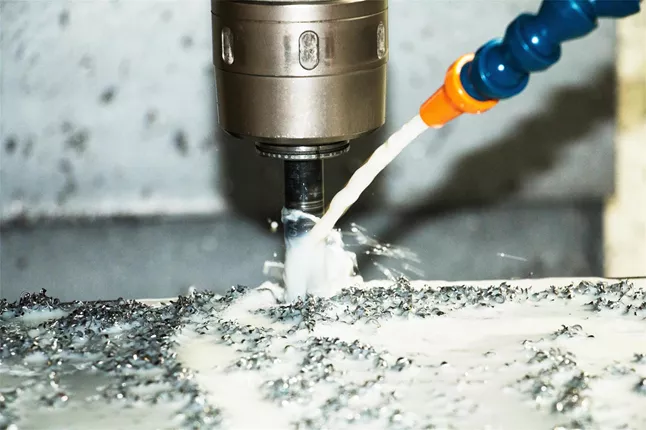
Cleaning: Cutting fluid can also clean the machining area, removing chips and contaminants generated during the cutting process, thereby keeping the workpiece and equipment clean.
Noise reduction: During the cutting process, cutting fluid can reduce cutting noise and vibration, providing a relatively quiet working environment. This can, to a certain extent, protect the operator's physical and mental health, improve work efficiency, and reduce the accident rate.
Cutting fluids can be divided into various categories based on their composition and usage. Here are common classifications of cutting fluids:
Water-soluble cutting fluids: Mainly composed of water, they can be diluted and used to cool the cutting area during processing. They are widely used in most casting, machining, and other fields.
Drilling oil: It is mainly composed of lubricants and rust inhibitors, suitable for high-precision occasions such as high-speed drilling and thread machining.
Cutting oil: Mainly composed of lubricants, it is suitable for heavy-duty cutting, turning, milling and other processes, especially in the field of steel processing.
Cutting Wax: Mainly composed of wax and lubricants, it is suitable for low-load and low-speed cutting processes, such as copper and aluminum machining.
Thin oil: Usually made from mineral oil or synthetic oil, it is suitable for processing non-metallic materials (such as plastics) or materials that are difficult to machine.
The above are just some common types of cutting fluids. Depending on different machining processes and requirements, there can also be other special types of cutting fluids. Selecting a cutting fluid suitable for specific machining conditions can ensure machining quality, extend tool life, and improve production efficiency.