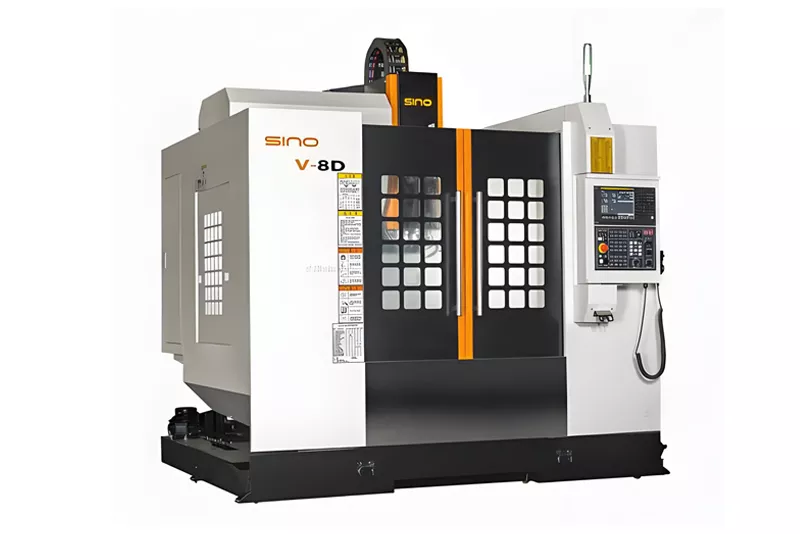
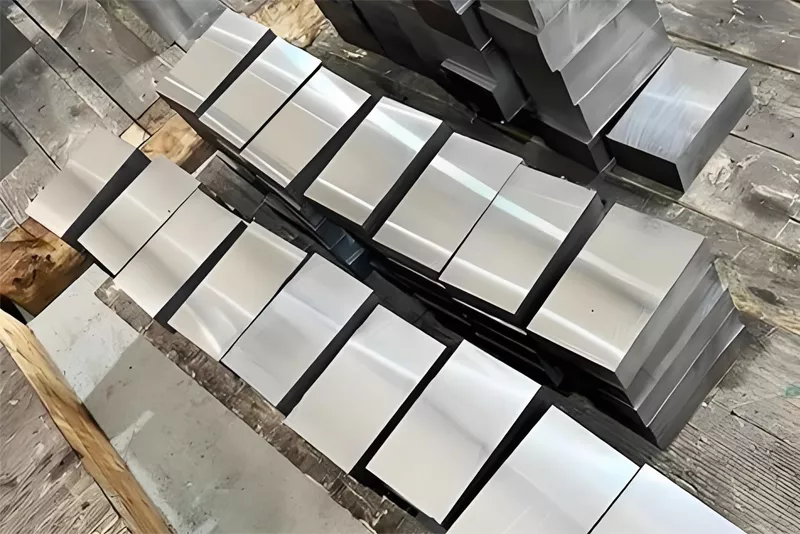
Five-axis intelligent machining technology plays a pivotal role in modern manufacturing. It not only enables efficient processing of structurally complex components but also significantly enhances production efficiency and machining accuracy. By simultaneously coordinating five axes, this technology allows for the completion of multiple cutting operations in a single setup, greatly reducing the frequency of fixture changes and lowering labor costs. Furthermore, five-axis intelligent equipment exhibits strong material adaptability, capable of precisely processing various materials such as metals, plastics, and composite materials, thereby offering tailored solutions for diverse production needs. This multi-material compatibility empowers manufacturers to flexibly respond to market dynamics and swiftly meet personalized customer demands. In high-end sectors such as aerospace, automotive manufacturing, and medical devices, five-axis intelligent machining technology is increasingly becoming a key driver for improving production efficiency and core competitivenes
Advantages and Application Fields of Five-Axis Intelligent Machining TechnologyFive-axis intelligent machining technology demonstrates unique advantages in many fields. Firstly, it enables the processing of complex geometric shapes, making it highly popular in the aerospace and automotive industries. These sectors demand components with high precision and complexity, requirements that five-axis machine tools are well-suited to meet. Secondly, five-axis machining allows for simultaneous control in multiple directions, significantly enhancing production efficiency and machining accuracy. Compared to traditional three-axis machining, it reduces the number of workpiece clamping operations and shortens production cycles. Additionally, this technology offers strong adaptability, capable of handling a variety of machining materials, including metals, plastics, and composite materials. This flexibility enables manufacturers to meet diverse customer demands, whether for small-batch customization or large-scale production. Through these advantages, five-axis intelligent machining has become a crucial tool for enhancing competitiveness in the manufacturing industry.How to Use Five-Axis Intelligent Machining to Optimize Production Efficiency and Costs
Five-axis intelligent machining technology offers significant advantages in enhancing production efficiency and reducing costs. Firstly, five-axis machines can process parts with complex geometries simultaneously, minimizing the frequency of fixture changes. This efficient approach saves time and increases output. Secondly, leveraging its precise control capabilities, five-axis intelligent machining enables multiple operations to be completed in a single setup, reducing the need for manual intervention and repositioning, thereby lowering labor costs. Moreover, its multi-material cutting capability allows manufacturers to avoid additional equipment investments when handling different materials. This also enables companies to respond more flexibly to market demands, quickly adjust production lines, and adapt to the manufacturing of various products. By optimizing these processes, enterprises can not only improve operational efficiency but also maintain cost competitiveness.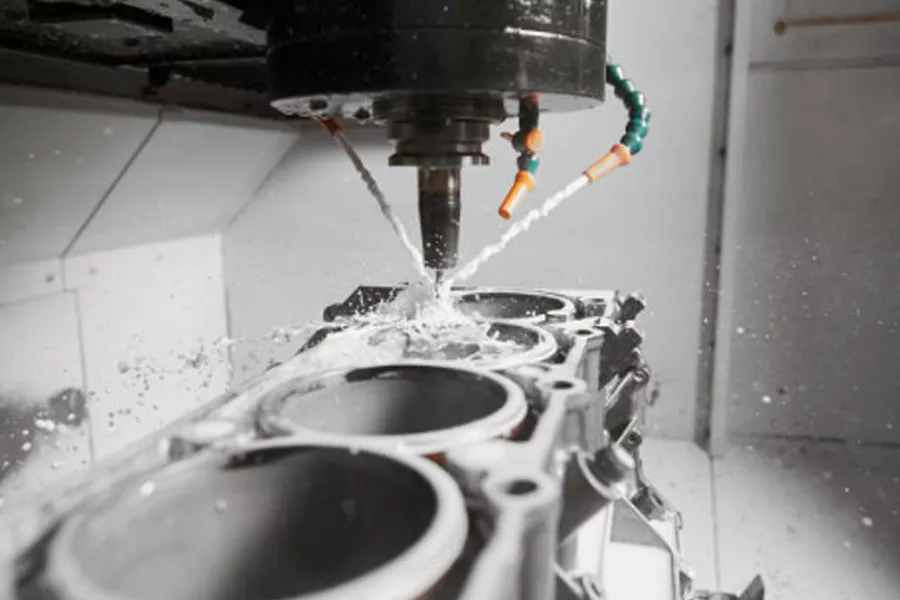
In-depth Analysis of Five-axis Intelligent Machining Supporting Multi-material Cutting
Five-Axis Intelligent Machining Technology Demonstrates Remarkable Flexibility and Multi-Material AdaptabilityIt is capable of efficiently processing a variety of materials, including metals, plastics, and composites. Through its unique cutting methods, five-axis equipment can effectively meet the demands of complex geometries and precision components in accordance with design requirements. For instance, in the aerospace sector, where aluminum alloys and titanium alloys are commonly used, five-axis machining can effortlessly cut these materials while ensuring high strength and lightweight design. Moreover, its processing of plastics and composites is highly efficient, significantly shortening product development cycles in the automotive and medical device industries. This diverse machining capability enables manufacturers to swiftly adjust production based on customer needs, thereby enhancing market competitiveness.Five-Axis Intelligent Machining Technology Is Playing an Increasingly Vital Role in ManufacturingBy simultaneously controlling multiple axes, it can efficiently handle complex parts, substantially improving production efficiency and machining accuracy. Additionally, its multi-material cutting ability makes it suitable for a wide range of industry demands, including aerospace, automotive, and medical fields. Five-axis intelligent machining not only reduces the frequency of workpiece clamping but also effectively lowers labor costs. Leveraging its flexibility, manufacturers can quickly respond to market changes and adjust production lines to meet personalized customer demands. These advantages collectively drive the modernization of the manufacturing industry, helping enterprises maintain a strong position in the fiercely competitive market.