
What are the processes involved in automotive parts machining?
As the industrialization development process becomes increasingly advanced, the automotive industry has also made remarkable progress. As a CNC machining factory, the editor is going to briefly introduce the processing technology of automotive parts today.
As is well known, automotive parts manufacturing processes can be simply divided into casting, forging, welding, cold stamping, heat treatment, metal cutting, and assembly, among others.
A-Casting
The term 'casting' is a common one in people's daily lives. It is one of the earliest metal thermal processing techniques mastered by humans, and today this technique has reached a quite high level. Simply put, casting involves pouring liquid into a casting cavity that matches the shape of the part, allowing it to cool and solidify, with the aim of obtaining the part or blank. Generally speaking, the material to be cast is often a metal that was originally solid but has been heated to a liquid state, while the material of the casting mold can be sand, metal, or even ceramics. Depending on different requirements, the methods used will also vary.
In the automotive industry, the production method of 'casting' is widely used. Forging is further divided into two methods: random forging and solid model forging. 'Random forging' is also known as 'chaotic forging'. It is a production method where metal material blanks are placed on an anvil to withstand impact or pressure, also referred to as 'quenching'. The blanks of vehicle turbines and axles are produced and processed using the random forging method. Solid model forging is a production method where metal material blanks are placed in the die cavity of a forging die to withstand impact or composite forces. Solid model forging is somewhat similar to the entire process of dough being pressed into a cookie shape within a mold.
B-Forging
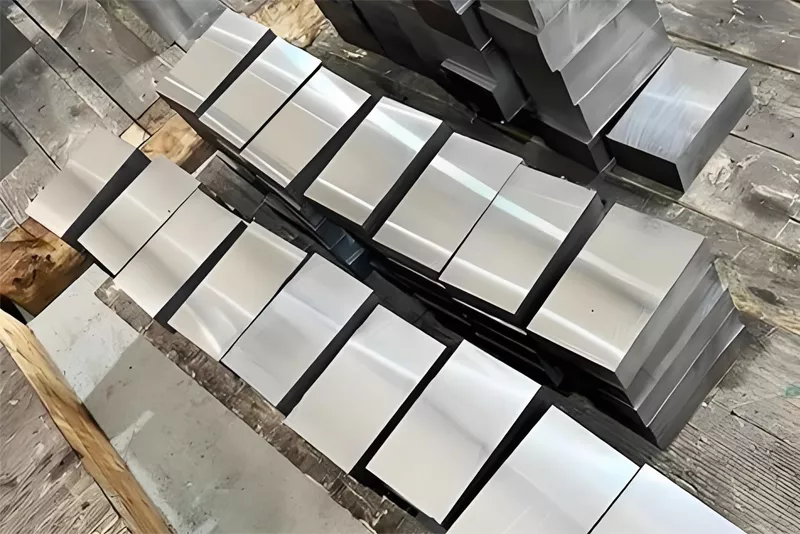
Forging\" is a manufacturing process that uses forging and pressing machinery to apply pressure to metal billets, causing them to undergo plastic deformation in order to obtain short swords with certain mechanical properties, specific shapes, and dimensions. It is one of the two major components of forging and pressing. Through forging, defects such as casting looseness generated during the smelting process of metals can be eliminated, and the micro-organizational structure can be optimized. At the same time, since the complete metal flow lines are preserved, the mechanical properties of forgings are generally better than those of castings made from the same material. In related machinery, important parts subjected to high loads and severe working conditions, except for relatively simple shapes that can use rolled plates, profiles, or welded parts, mostly adopt forgings.
In the automotive industry, many parts are made of cast iron, accounting for about 10% of the vehicle's net weight. Examples include cylinder liners, transmission housing, steering system housings, rear axle housings, brake drum components, and various brackets. Sand molds are generally used in the production of cast iron parts.
C-welding
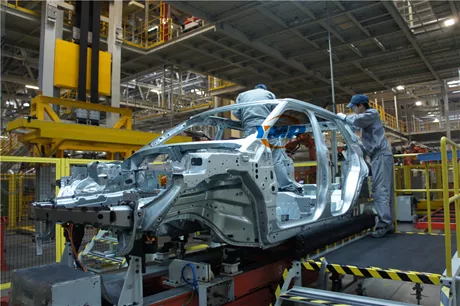
Electric welding is a production method that locally heats or simultaneously heats two pieces of metal materials for joining. Generally, the process where one hand holds a mask and the other hand grips an electric welding clamp or welding wire connected to a cable is called manual arc welding. However, manual arc welding is rarely used in the automotive industry; the most widely applied welding method in body production is spot welding. Spot welding is suitable for welding cold-rolled steel plates. In actual operation, two electrodes are used to apply pressure to two thick steel plates, pressing them together, while at the same time passing an electric current through the contact points to heat and melt them, resulting in a firm and tight connection.
D-stamping
Cold stamping or sheet metal stamping dies are a production method where metal material sheets are cut or formed under force in stamping dies. In daily life, items such as salt and pepper pots, lunch boxes, and washbasins are all made using the cold stamping production method. Cold stamping dies are used to produce automotive parts including engine oil pans, brake system base plates, car window frames, and most body parts. These parts are generally formed through processes such as blanking, punching, bending, flanging, and trimming. To better produce cold stamped parts, stamping dies need to be manufactured.
E-heat treatment
Heat treatment process is a method of reheating, insulating, or cooling solid steel to alter its microstructure in order to meet the application standards or technical standards of parts. The amount of heating temperature, the length of holding time, and the speed of cooling efficiency will all cause different structural transformations in the steel. Heat treatment is when heated cast iron is artificially quenched into water for rapid cooling. It can also increase the strength of aluminum parts, which is another situation of heat treatment technology.
F-Metal Cutting
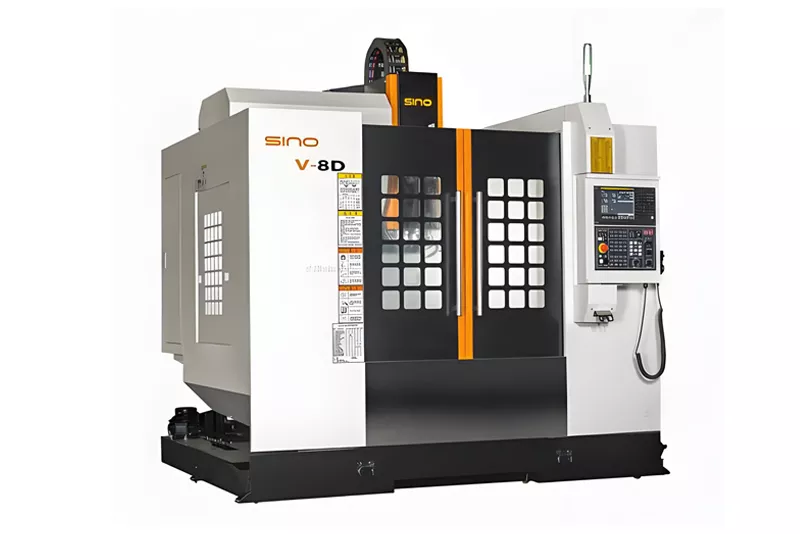
Metal material turning production processing uses milling cutters to drill holes in metal material blanks step by step; this enables the product to obtain the required product appearance, specifications, and roughness. Metal material turning production processing includes two methods: milling and machining. Milling is a production method where workers use manually made special tools for cutting, which is flexible and convenient in operation, and is widely used in installation and maintenance. Machining relies on CNC lathes to achieve drilling, including turning, planing, milling, drilling, and grinding methods.
G-Assembly
Various components are connected into a complete vehicle according to certain regulations. Whether the components that make up the parts or the components that make up the entire vehicle, they need to be matched and associated with each other in accordance with the requirements of the design drawings, so that the components or the entire vehicle can achieve the set characteristics. Please ensure that the axis line of the transmission key shaft and the axis line of the crankshaft are pointing in the correct direction. This method is not adjusted by the installation personnel (milling workers) during assembly, but can only be adjusted by the design plan and production manufacturing.