
Unveiling Milling: Master the 3 Core Points to Fully Understand the Difference Between Milling and Turning
Introduction: The Core Technology of Precision Manufacturing
Part One: What is Milling?
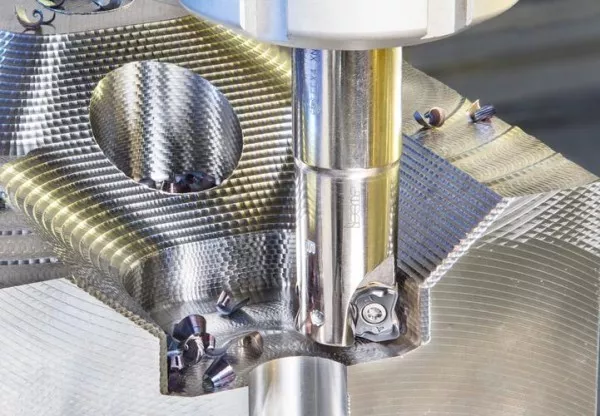
Imagine a skilled sculptor whose chisel spins rapidly in their hand while a block of wood is securely fixed. As the chisel moves, intricate patterns gradually emerge. The principle of milling is analogous to this. Simply put, milling is a machining process that uses a rotating multi-tooth cutting tool (called a milling cutter) to remove material from a workpiece. In this process, the workpiece is typically clamped onto a worktable, while the high-speed rotating milling cutter moves along a preset program path (i.e., G-code) on the workpiece. By removing excess material, the desired shape, flat surfaces, grooves, or complex curved surfaces are ultimately formed.
Its core characteristic is 'tool rotation, workpiece feed.' This unique motion enables milling to have strong adaptability, allowing it to handle a variety of tasks ranging from simple flat surface machining to complex three-dimensional contour engraving.
Part Two: The Three Core Points of Milling Machining
Part III: Ultimate Analysis: The Differences Between Milling and Turning
This is one of the most frequently asked questions by practitioners and buyers. Although both milling and turning fall under the category of CNC machining, they have fundamental differences in principles, applications, and outcomes. We can clearly see the distinctions between milling and turning through the following table:
Comparison Dimension
Milling
Turning
Core Motion Method
Tool rotates, workpiece is fixed or fed
Workpiece rotates, tool is fed
Processed Shapes
Non-rotational parts such as planes, grooves, complex curved surfaces, and gears
Various rotational parts such as cylinders, cones, and threaded components
Tools Used
Mills (multi-tooth tools)
Turning tools (typically single-tooth tools)
Typical Applications
Mold cavities, box parts, and complex structural components
Parts such as shafts, sleeves, discs, and flanges
In summary, a simple distinction method is as follows: parts requiring machining of circular, rod-shaped, or rotationally symmetric features should primarily use turning. For parts needing machining of square, flat, groove, or complex curved surface features that are non-rotationally symmetric, milling must be relied upon. In many complex component productions, such as parts with both cylindrical journal and square mounting seats, turning and milling are often combined, i.e., adopting 'turning-milling integration' processing. This precisely reflects the technical capabilities of specialized suppliers like
Dongguan Changyuanfeng Precision Hardware Products Co., Ltd.
Dongguan Changyuanfeng Precision: Your Trusted Milling Processing Partner
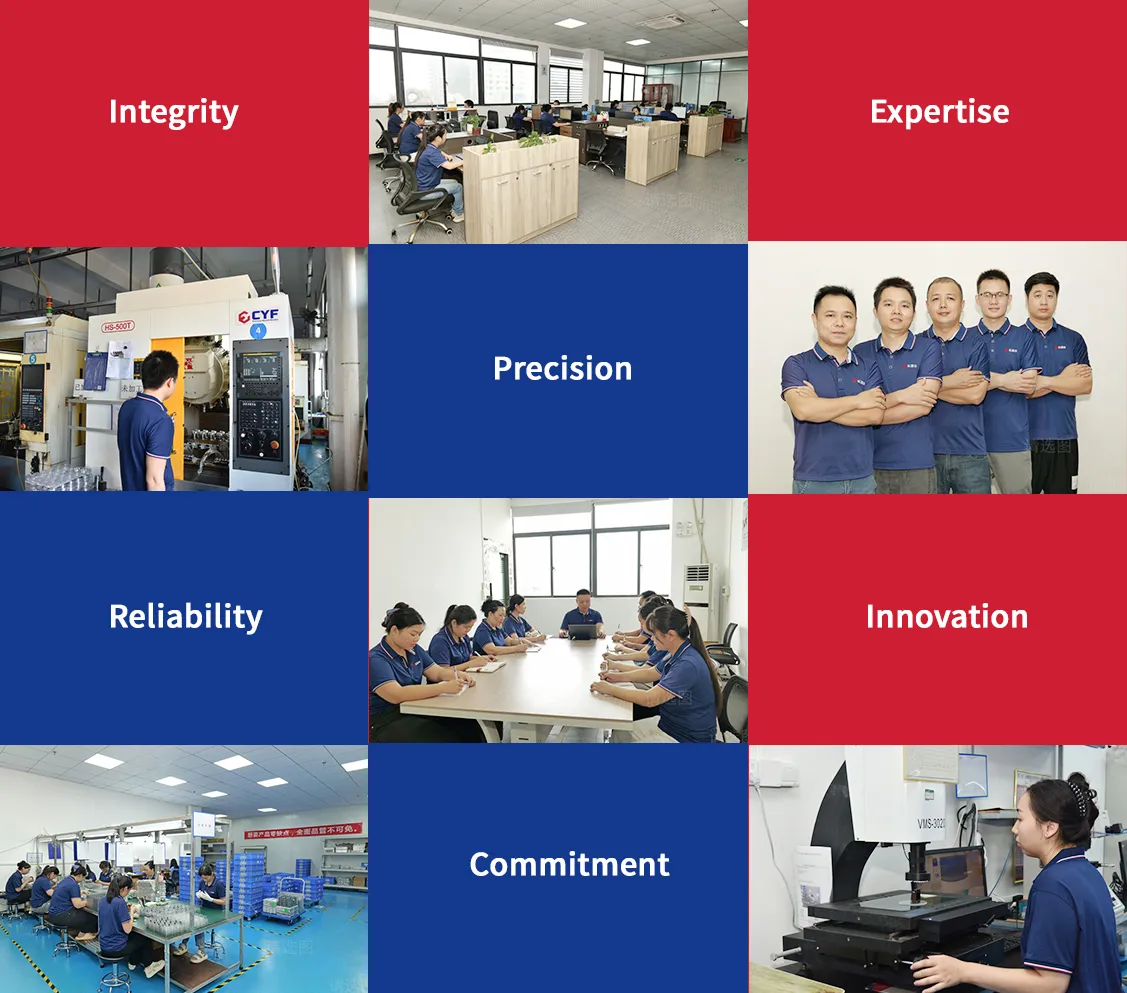
At Dongguan Changyuanfeng Precision, we are more than just a parts supplier; we are your technical partner on the journey of product R&D and manufacturing. We deeply understand the value of precision machining in modern manufacturing and are committed to delivering exceptional metal and plastic components to global customers through top-tier milling technology.
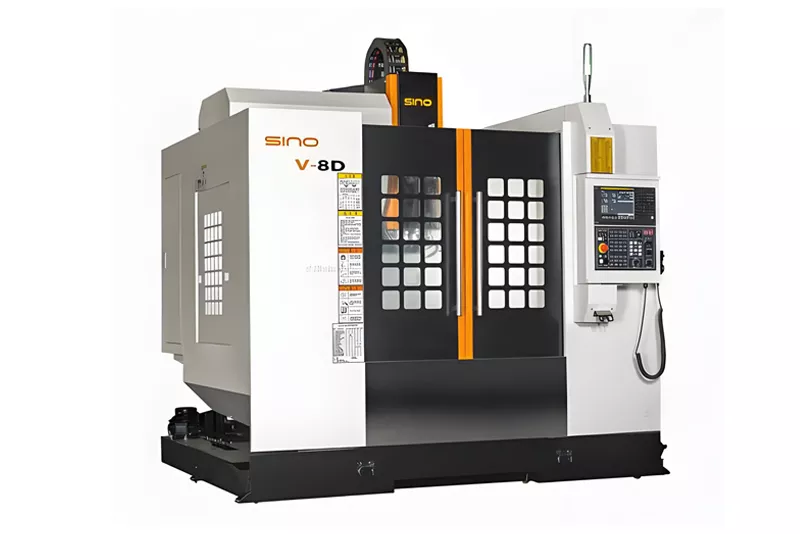
State-of-the-Art Equipment, Precision Guaranteed: We have introduced world-class 3-axis, 4-axis, and 5-axis CNC machining centers from Germany, Japan, and other leading countries. These enable us to process complex curved surfaces and parts with high precision requirements, with tolerances controlled within ±0.005mm.
Quality First, Strict Control: The company strictly adheres to the ISO9001 quality management system and is equipped with precision testing equipment such as three-coordinate measuring machines and image measuring instruments. Every process link, from raw material intake to finished product shipment, undergoes rigorous inspection.
Wide Material Range, Extensive Experience