
The Future of Manufacturing: How Advanced CNC Machining is Driving Precision and Efficiency in 2025
December 1, 2025 – The global manufacturing sector is experiencing a significant transformation, with CNC machining at the forefront of innovation. Driven by the demands for higher precision, efficiency, and customized solutions across industries like aerospace, medical devices, and automotive, precision manufacturing is rapidly evolving through the integration of cutting-edge technologies like Artificial Intelligence (AI) and the Internet of Things (IoT).
AI and Automation Redefine the Machine Shop A key trend in 2025 is the widespread adoption of AI-powered systems that are taking automation beyond simple machine operation. Modern CNC machine tools are no longer just tools; they are interconnected, intelligent systems capable of real-time decision-making. Intelligent software and integrated sensors allow machines to automatically adjust cutting parameters, perform predictive maintenance, and monitor quality in real-time, significantly reducing downtime and material waste. This technological leap not only streamlines CNC machining services but also addresses the persistent labor shortages by empowering skilled technicians with advanced tools. Robotics, such as robotic arms and automated guided vehicles (AGVs), are increasingly common in the modern precision machine shop, handling material loading, tool changes, and parts handling.
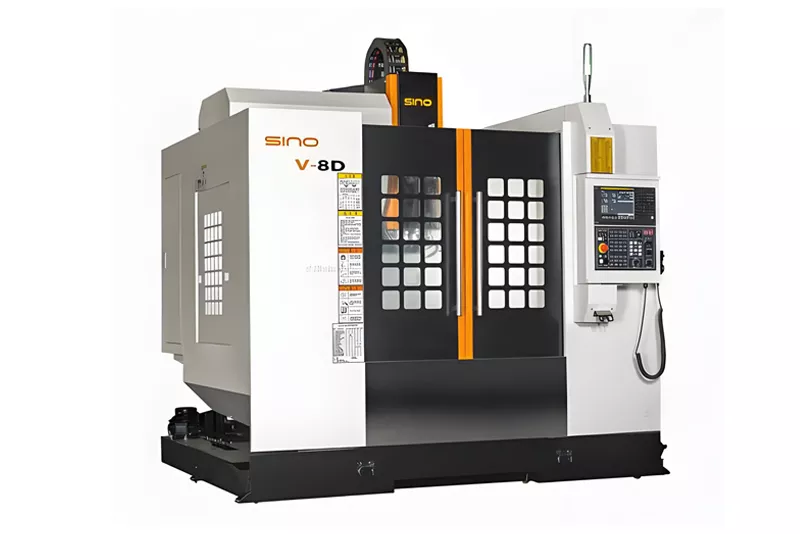
The Rise of Multi-Axis and Micro Machining The demand for complex, high-tolerance CNC machining parts is pushing the industry toward more advanced techniques. The adoption of 5-axis and even emerging 6-axis CNC milling machine technology is growing, enabling the creation of intricate components from multiple angles without multiple setups, which is crucial for complex geometries and faster production times. Simultaneously, the niche field of micro machining is expanding, achieving tolerances down to the nanometer level to meet the stringent requirements of semiconductor and advanced medical device manufacturing. These advancements require high-level expertise and specialized equipment, making specialized CNC services more valuable than ever. Digitalization and Sustainability as Industry Drivers The move towards Industry 4.0 is accelerating the digitalization of the sector. Digital twin technology is enabling manufacturers to simulate and optimize entire machining processes in a virtual environment before cutting begins, saving time and reducing errors. Sustainability is also a growing concern. Manufacturers are focusing on reducing their carbon footprint by utilizing more recyclable materials and optimizing energy consumption during the custom metal fabrication process. The overall market for CNC machine tools is projected to continue its robust growth, expected to reach over $141 billion by 2032, highlighting a healthy and innovative future for the precision machining industry.