
The Evolution of Lathe Machining Technology: A Journey from Manual to CNC
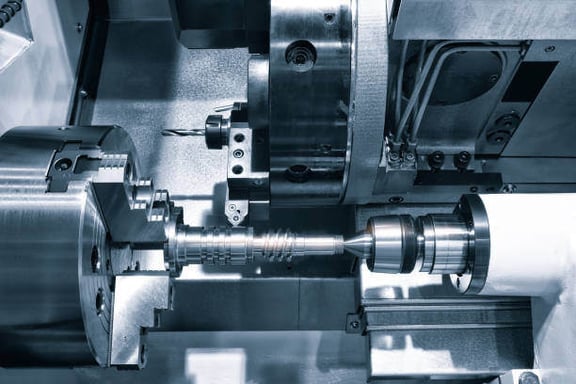
As the cornerstone of modern manufacturing, the development history of lathe machining technology reflects the progress and transformation of industrial technology. From early manual operations to today's computer numerical control (CNC) lathes, each evolution has greatly improved production efficiency and machining accuracy. This article will explore the evolution of lathe machining technology from traditional methods to CNC, and examine the profound impact of this transformation on modern manufacturing.
Traditional lathe machining technology:
The development history of lathes reflects the evolution of human industrial technology. The earliest lathe designs were limited to simple rotational cutting, and such designs mainly relied on manual power.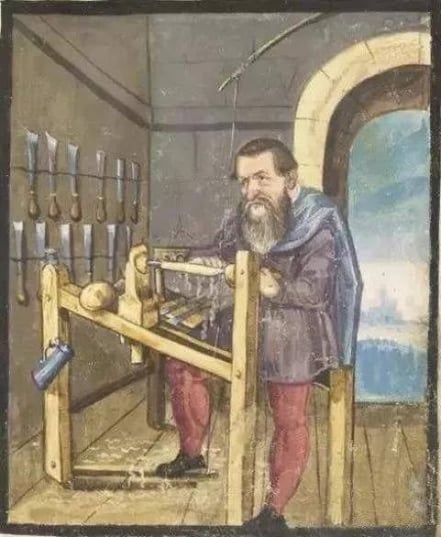
With the advancement of technology and the increase in production demands, machine lathes were significantly improved during the Industrial Revolution of the 18th century. The addition of steam power not only accelerated production speed but also enhanced the diversity and precision of machining. Furthermore, technological innovations of this period, such as thread cutting and the emergence of high-speed steel tools, also significantly improved the machining capabilities and efficiency of lathes.
By the 20th century, the popularity of electric motors made the power source of lathes more diverse and stable. When engineers first installed electric motors, they simply replaced the large steam engines at the factory center with large electric motors. In steam-powered factories, the engine drove a single main shaft, and all machines in the factory were driven by various belts, gears, and auxiliary shafts connected to that main shaft.
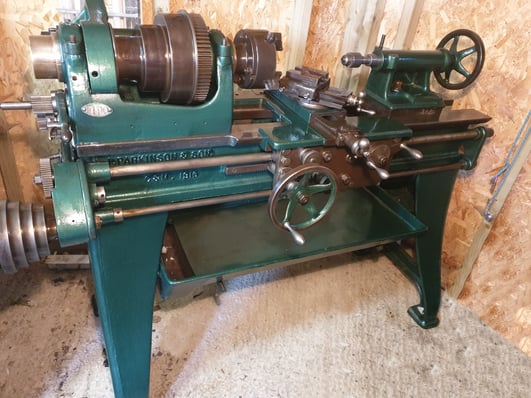
It was not until 20-30 years later, when they started replacing the single large electric motor with smaller new machines equipped with individual electric
In the 1940s, John T. Parsons proposed the idea of using data to control machine tools, which was the original concept of numerical control machine tools.
At that time, computers were controlled using punched cards, and the U.S. Air Force was very interested in this, as they were looking for an advanced
machining method to solve challenging problems in military aircraft manufacturing.
Due to the complex shapes and extremely high precision requirements of aircraft parts, ordinary equipment could not meet the needs. Therefore, the U.S.
Air Force quickly commissioned and funded the Massachusetts Institute of Technology (MIT) to develop a machine tool controlled by punched cards.
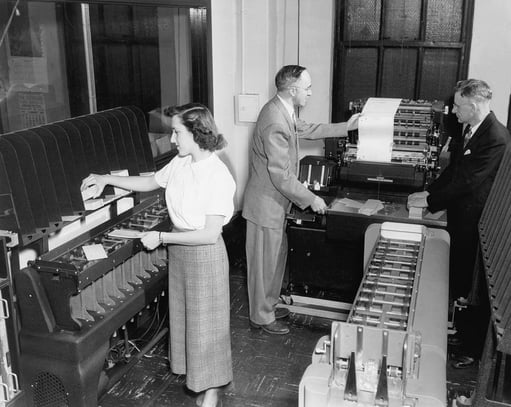
Finally in 1952, the Massachusetts Institute of Technology (MIT) collaborated with Parsons Corporation to successfully develop the first prototype. Due to the extensive use of electron tube components, the size of its control unit even exceeded that of the machine tool itself. Between 1956 and 1960, MIT developed and refined APT, a programming language used for CNC machine tools, which propelled the development of CNC machining for the next few decades.
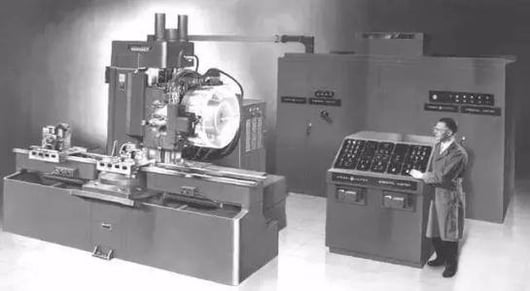
Between 1980 and 1990, further developments in the field of computer science led to the introduction of personal computers. The release of software allowed technically knowledgeable individuals to utilize their skills, and various programming languages were developed by different people. Among these languages, the most famous is G-code, which is still used in various CNC machines to this day.
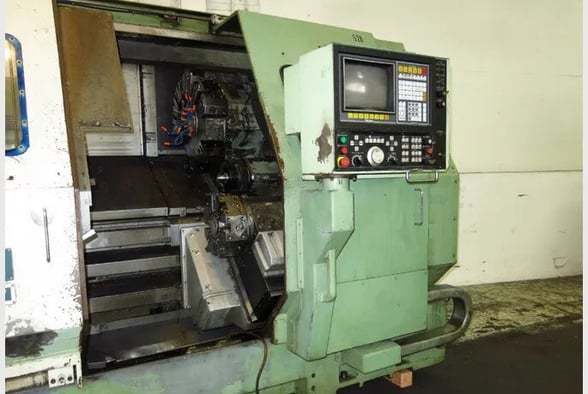
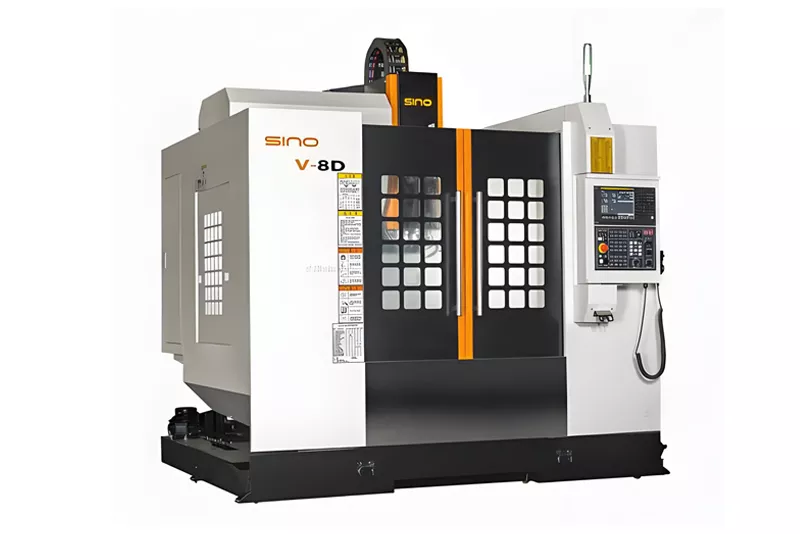
By the 21st century, CNC machine tools have developed to five axes or even more, enabling precise machining in multiple directions and angles. Currently, CNC technology has expanded into various industries, from automotive manufacturing to aerospace, and even to the production of more delicate medical devices. The demands of each industry have driven further innovation in CNC technology, including higher precision, faster production speeds, and more efficient energy utilization.