
Precision Medical Machining: Advanced CNC Machining Services for Medical Equipment
In the ever-evolving healthcare industry, precision and reliability are non-negotiable requirements. CNC machining has become a crucial technological foundation for manufacturing high-quality medical devices and components. Dongguan ChangyuanfengPrecision holds a leading position in the field of medical CNC machining, offering unparalleled specialized expertise to produce precision-turned parts and custom components required in the medical sector. This article will delve into the significant role of CNC machining in the healthcare industry, with a focus on medical machining, the turning of medical parts, and the advantages of collaborating with professional medical parts turning manufacturers.
What is Medical CNC Machining?
Medical CNC machining refers to the process of manufacturing medical devices and components using computer numerical control technology. This process ensures high precision, high consistency of parts, and compliance with strict medical industry standards, making it highly suitable for producing surgical instruments, implants, diagnostic equipment, and more.
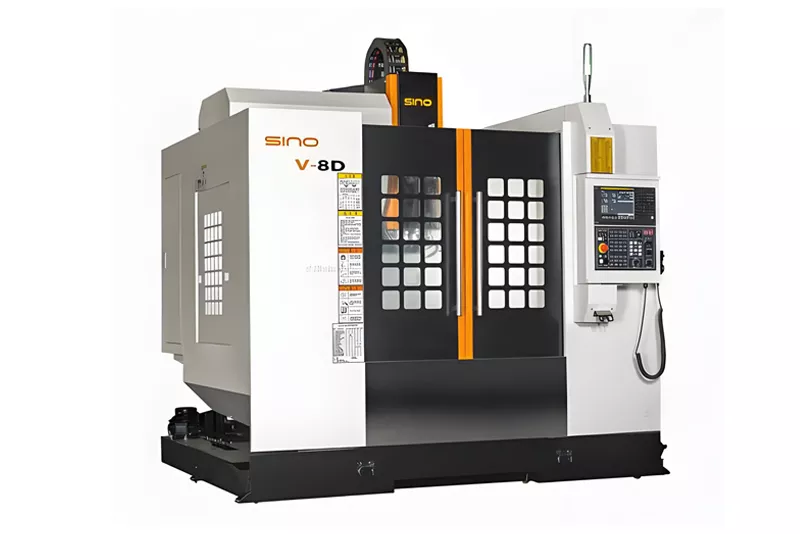
Dongguan Changyuanfeng Precision provides highly customized solutions by adopting advanced CNC machining technologies. We utilize state-of-the-art equipment and processes to meet the unique needs of medical device manufacturers, ensuring quality and reliability at every step.
Applications of Medical Machining
CNC machining plays a crucial role in the production of various medical devices and components, including:
1. Surgical Instruments
Tools such as scalpels, forceps, and bone saws require precise dimensions and smooth surfaces, which are easily achieved through CNC machining.
2. Implants
Hip implants, spinal implants, and dental prosthetics require complex geometries and biocompatible materials—areas where medical machining excels.
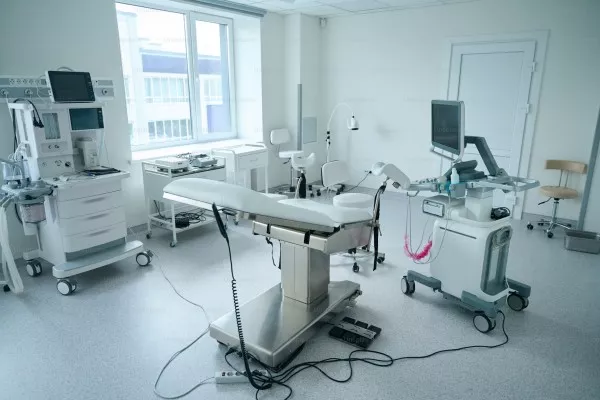
3. Diagnostic Equipment Components
From casings to precision connectors, CNC machining ensures the durability and accuracy of parts used in medical equipment.
4. Turned Parts
Turning of medical parts such as screws, pins, and rods is essential for a wide range of applications in the healthcare industry.
Key Advantages of CNC Machining in the Medical Field
CNC machining for medical applications offers several significant advantages that make it the preferred choice:
Unmatched Precision: Tolerances can be precisely controlled to ±0.01mm, ensuring components fully meet specification requirements.
Material Versatility: CNC machining supports biocompatible materials such as titanium, stainless steel, and PEEK, suitable for various medical applications.
Scalability: Whether for individual prototype design or large-scale production, CNC machining can flexibly adapt to demand.
Regulatory Compliance: Shenzhen Yixin Precision adheres to the ISO 13485 standard, ensuring the quality and consistency of medical parts.
Customization Capability: Whether for single-piece components or complex geometries, CNC machining provides tailored solutions.
Turning of Medical Components: A Specialized Process
The turning process utilizes lathes to produce cylindrical parts with high precision. In the medical field, turning is crucial for manufacturing the following components:
Bone screws
Orthopedic pins
Custom connectors
Future Trends in Medical CNC Machining
Advancements in medical technology continue to drive innovation in CNC machining. Future trends include:
1. Miniaturization: As medical devices become smaller, CNC machining must adapt to produce smaller and more complex components.
2. Material Innovation: The development of new biocompatible materials requires higher levels of machining capability.
3. Integration with Additive Manufacturing: Combining CNC machining with 3D printing offers greater possibilities for customized medical parts.
4. Sustainability: Environmentally friendly manufacturing practices are becoming a key focus in medical machining.