
Non-standard part machining: The mystery of custom manufacturing
In the vast landscape of modern manufacturing, non-standard part processing plays a specialized and indispensable role. Unlike standard parts, which have ready-made specification catalogs for selection, non-standard parts require one-on-one customized production based on unique drawings provided by users or specific requirements. Simply put, when enterprises develop new equipment, upgrade old production lines, or encounter scenarios where standard parts on the market cannot meet installation space or functional performance requirements, the value of non-standard processing becomes evident. This processing method highly demonstrates manufacturing flexibility: it does not force customers to adapt to existing, fixed part specifications, but instead allows part design to actively match the actual needs of the equipment, thereby solving many problems in special operating conditions. For the machinery processing industry or enterprise users needing to purchase mechanical parts, understanding the connotation of non-standard part processing is like holding a key to unlock the door of personalized manufacturing. It means that enterprises can break through the limitations of standardization and achieve uniqueness in product functions and optimization of performance. So, how does non-standard part processing actually work, and why is it so important in today's industrial environment that emphasizes efficiency and innovation? Next, we will delve into its core characteristics, key processes, and extensive application value.
I. Definition and Core Characteristics of Non-standard Parts Machining
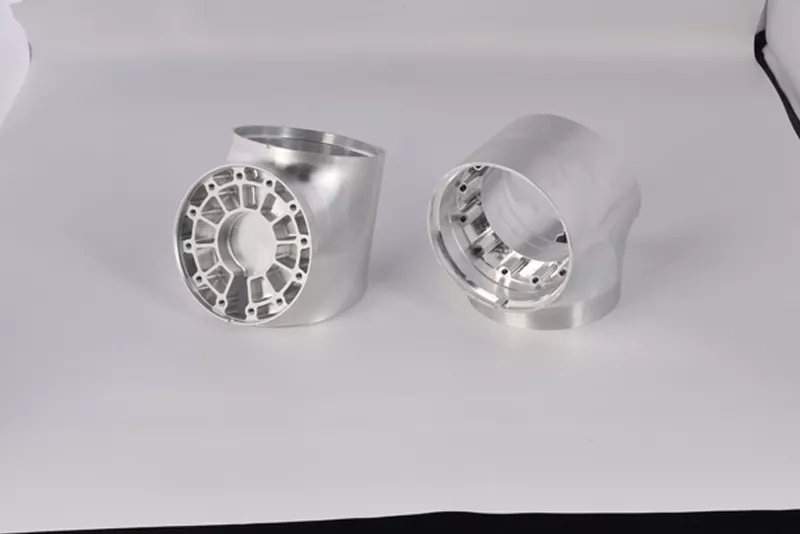
Non-standard parts, as the name implies, are a shortened form of "non-standard components." They stand in stark contrast to standard parts such as screws and bearings that we are familiar with. The structure, dimensions, drafting conventions, and markings of standard parts all adhere to unified specifications established by national or industry standards. These parts are mass-produced by specialized manufacturers and possess strong versatility and interchangeability. Non-standard parts, on the other hand, are characterized primarily by customization. There are no strict standard sizes or parameter regulations set by the state for them; enterprises can freely determine their design, materials, and manufacturing processes according to the specific requirements of their products. This brings the immediate advantage of high flexibility, allowing perfect adaptation to various special application scenarios. However, it also means that production costs and process complexity are usually higher than those of standard parts. Beyond customization, non-standard parts machining also demands stringent technical expertise. It often requires the use of high-precision machining technologies, posing considerable challenges to both processing equipment and the experience and skills of operators. You might wonder: how is the quality of non-standard parts ensured? This leads us to another core aspect—rigorous quality control. From raw material intake to final product delivery, every step must undergo precise quality checks, including accurate dimensional measurement and inspection of surface treatment results, to ensure that each part perfectly matches the intended design.
II. Typical Process of Non-Standard Part Machining
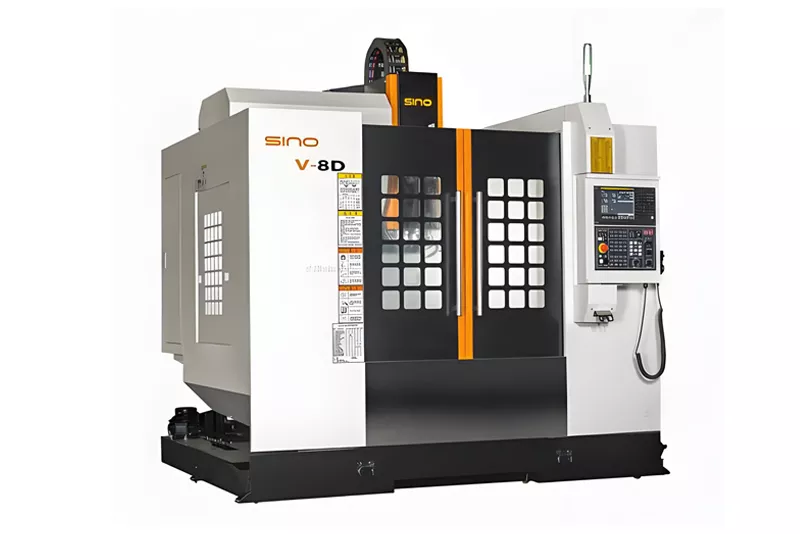
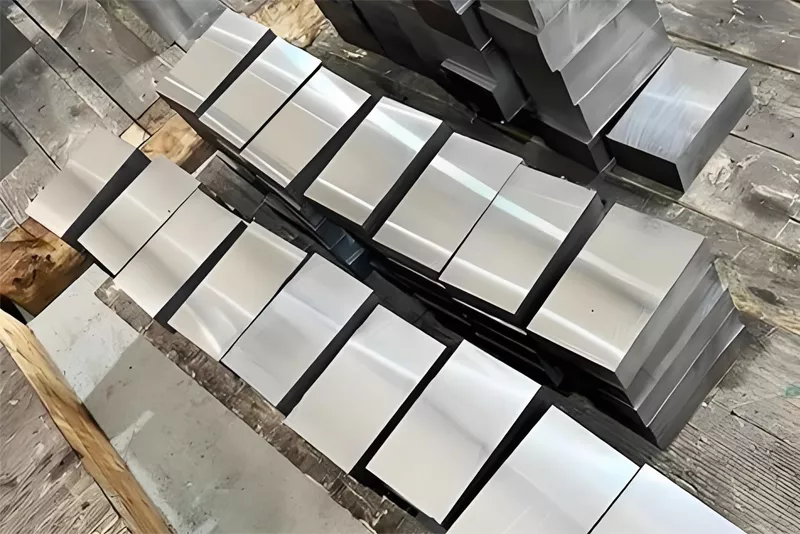
The process of transforming a non-standard part from a drawing to a physical product typically involves a rigorous, interconnected workflow. It is by no means a simple \"material processing\" task but rather a systematic engineering endeavor that integrates design, process planning, and precision manufacturing. This process generally begins with in-depth requirement communication and analysis, where engineers need to discuss with customers key information such as the part's purpose, working environment, load requirements, etc., which forms the basis for all subsequent work. Next comes the design drafting and material selection phase. Engineers use professional software like CAD to convert customer requirements into precise three-dimensional models or two-dimensional drawings. At the same time, selecting appropriate materials based on the part's working conditions (such as whether it is subjected to high temperature, high pressure, corrosion, etc.) and performance requirements is crucial. Common materials include various metals (such as stainless steel, aluminum alloy, titanium alloy) and non-metallic materials (such as engineering plastics), and different materials directly determine the part's final lifespan and reliability. Then enters the manufacturing process, which usually involves multiple steps such as rough machining, heat treatment (if needed to improve material properties), and precision machining. Various advanced equipment may be used, including CNC milling machines, lathes, grinders, five-axis machining centers, electrical discharge machining, etc., to gradually process the material into the required shape and precision. Finally, the machined parts must undergo strict quality inspection. Only after confirming that all dimensional tolerances, form and position tolerances, and surface finish meet the design requirements can they be delivered for use.
III. Extensive Application Fields and Unique Value
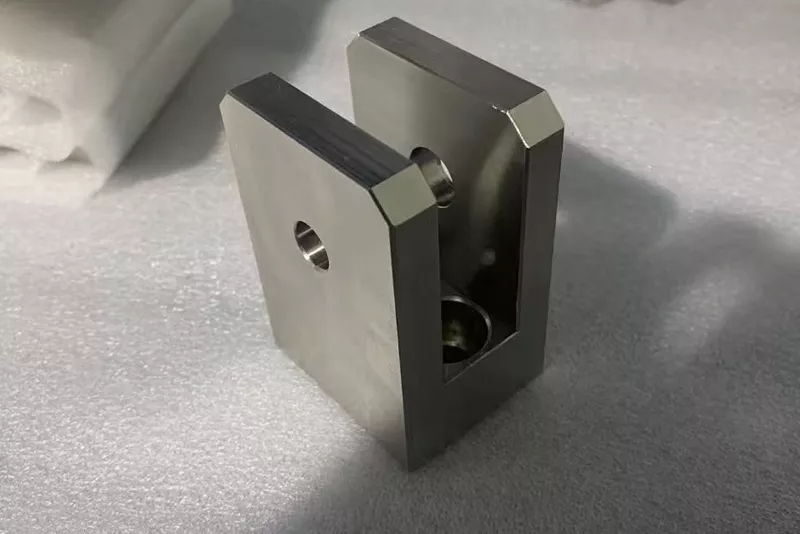
IV. Key Considerations in Selecting a Service Provider
When a company decides to outsource the manufacturing of non-standard parts, selecting the right machining service provider becomes critical to the success of the project. Among the key considerations, the supplier’s technical capabilities and equipment level rank first. A professional supplier should possess advanced machining centers (such as multi-axis CNC machines), inspection instruments (such as coordinate measuring machines), and well-established process expertise in handling various materials (such as stainless steel, titanium alloys, and superalloys). At the same time, an efficient communication channel and an experienced technical team are equally essential. They should be able to fully understand your requirements and offer valuable optimization suggestions during the design phase, which can potentially reduce machining difficulty and cost.
In addition, the completeness of the supplier’s quality control system cannot be overlooked. This involves full-process quality management from raw material procurement and production processes to final inspection, ensuring that delivered parts are stable and reliable in quality. Of course, price and delivery lead time are also practical factors that must be balanced in commercial cooperation. It is worth noting that non-standard machining usually cannot benefit from the cost advantages of mass production enjoyed by standard parts, but its value in solving specific problems and enabling functional innovation often far outweighs the manufacturing cost of the parts themselves.
With the continuous development of smart manufacturing and Industrial Internet of Things (IIoT) technologies, non-standard parts machining is evolving toward higher precision, higher efficiency, and greater intelligence. In the future, non-standard machining may place greater emphasis on seamless integration with digital design, enabling rapid and accurate transformation from virtual models to physical parts. Meanwhile, demand for small-batch, multi-variety personalized customization will continue to grow, driving ongoing innovation in machining technology itself. In this process, machining enterprises that can deeply understand customer needs and possess rapid response capabilities and a capacity for continuous learning will hold a more advantageous position in the competition.