
Key Technologies of CNC Machining for Server Cold Plates: Core Precision Manufacturing of Liquid Cooling Plates in the High-Computing Era.
As AI servers, data centers, high-performance computing (HPC), and cloud computing develop rapidly, the power consumption of individual servers is continuously increasing, and traditional air-cooling solutions are gradually approaching their physical limits. Against this backdrop, liquid cooling technology, with its higher heat dissipation efficiency and energy-saving advantages, is accelerating its transition to become the mainstream solution.
In liquid cooling systems, the server cold plate, as a core component that directly contacts high-heat sources such as CPUs and GPUs, its structural design and manufacturing quality directly determine the overall heat dissipation performance and system reliability of the server. This has also made CNC machining of server cold plates an important sub-field in the current precision manufacturing industry.
What is a server cold plate? Why is it so critical?
A server cold plate, also commonly referred to as a liquid cooling plate or cooling plate, is a metal component that guides coolant through internal channels to efficiently exchange heat with heat-generating components.
Its main functions include: rapidly dissipating the high heat generated by chips, ensuring stable operation of servers under high load conditions, and reducing system energy consumption and maintenance costs. Server cold plates have become an indispensable key component in applications such as AI servers, GPU clusters, and liquid-cooled cabinets.
Technical Difficulties in CNC Machining of Server Cold Plates
From the perspective of component suppliers, server cold plates are not ordinary structural parts; their manufacturing process imposes higher requirements on CNC machining capabilities.
1.The internal flow channel structure is complex.
Internal cooling plates often feature various types of flow channels, such as straight channels, serpentine channels, or parallel micro-channel structures. These structures typically have characteristics like deep grooves, thin walls, and high consistency, which place extremely high demands on the stability of CNC machining and tool path planning capabilities.
2. Strict requirements are imposed on flatness and mating precision.
The server cold plate must be in direct contact with the chip surface, and typically strict requirements are placed on flatness and parallelism. If the machining precision is insufficient, it will directly affect the heat dissipation efficiency and even pose a risk of local overheating.
3. High Reliability Requirements for Sealing Structures
In liquid cooling systems, any leakage is unacceptable. Therefore, the sealing grooves, threaded holes, and mating surfaces on the cold plates must ensure dimensional and surface quality stability during the CNC machining stage.
III. Selection of Common Materials for Liquid Cooling Plate/Cooling Plate Machining
In the machining of liquid cooling plates/cooling plates, material selection requires balancing thermal conductivity, strength, weight, and cost.
Common materials include:
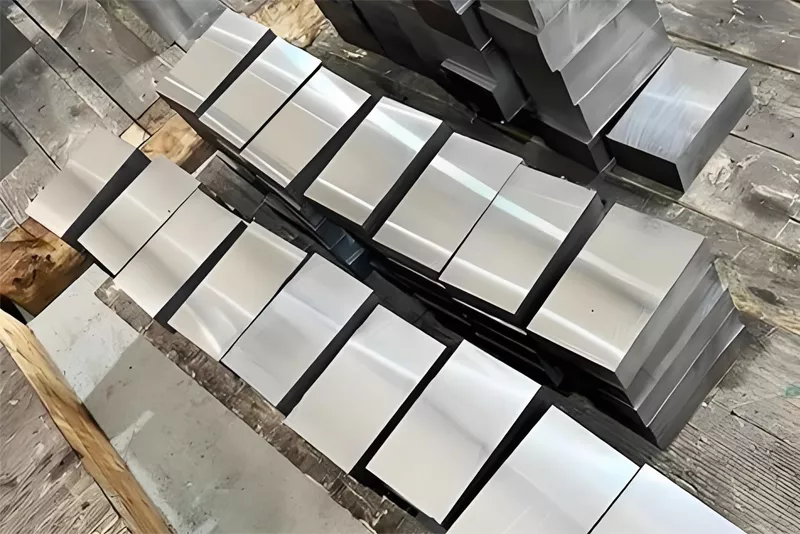
Aluminum Alloy (6061 / 6063): Offers good thermal conductivity, is lightweight, and provides high cost-effectiveness, making it the most common choice for server cooling plates.
Copper (Red Copper / Oxygen-Free Copper): Exhibits excellent thermal conductivity and is suitable for scenarios with extremely high power density.
Stainless Steel: Features corrosion resistance and high strength, often used for special media or structural auxiliary components.
In practical projects, most server cooling plates still primarily use aluminum alloy CNC machining, striking a balance between performance and manufacturing efficiency.

IV. Typical CNC Machining Process for Server Cold Plates
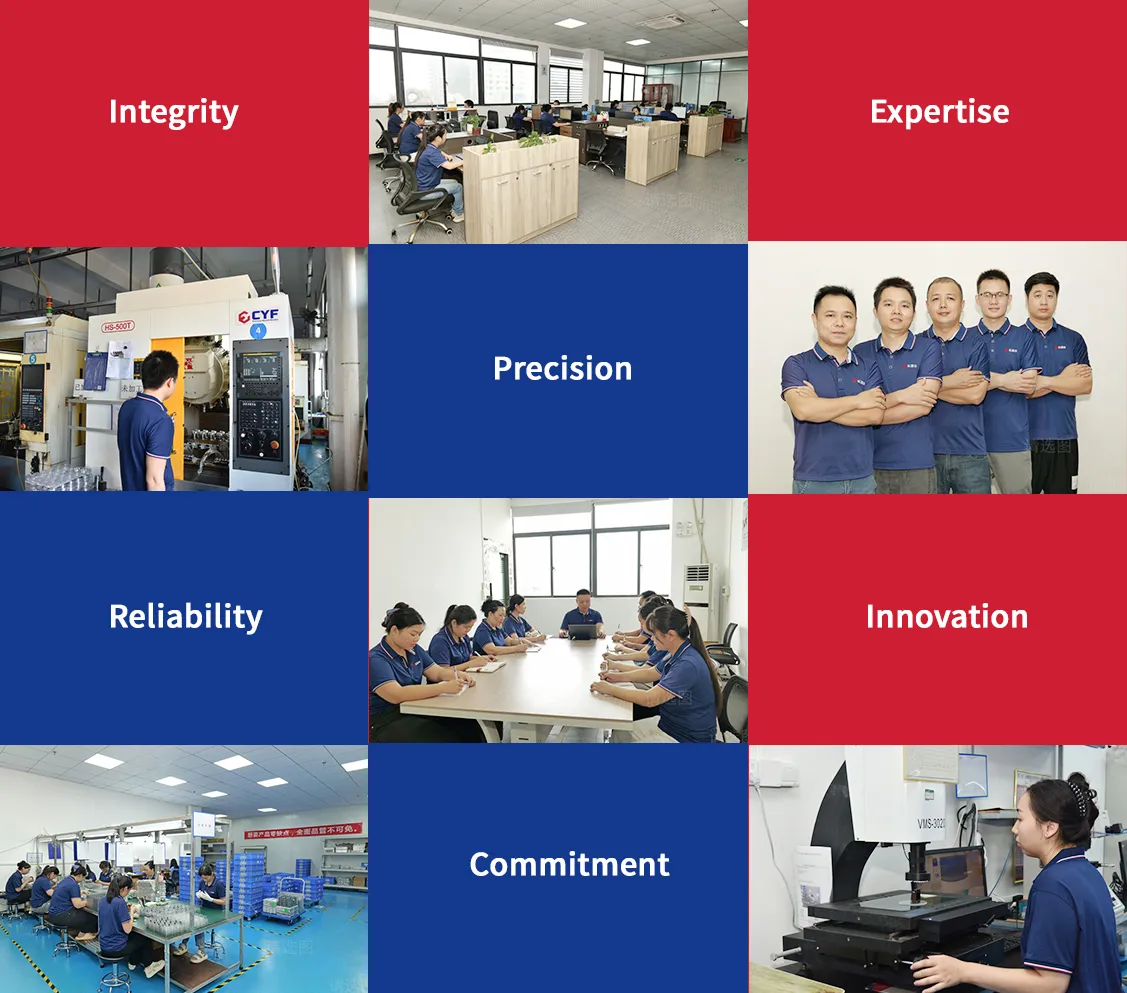
Taking the machining practice of ChangYuangfeng Precision as an example, server cold plates typically undergo the following process:
Pre-DFM Manufacturability Assessment
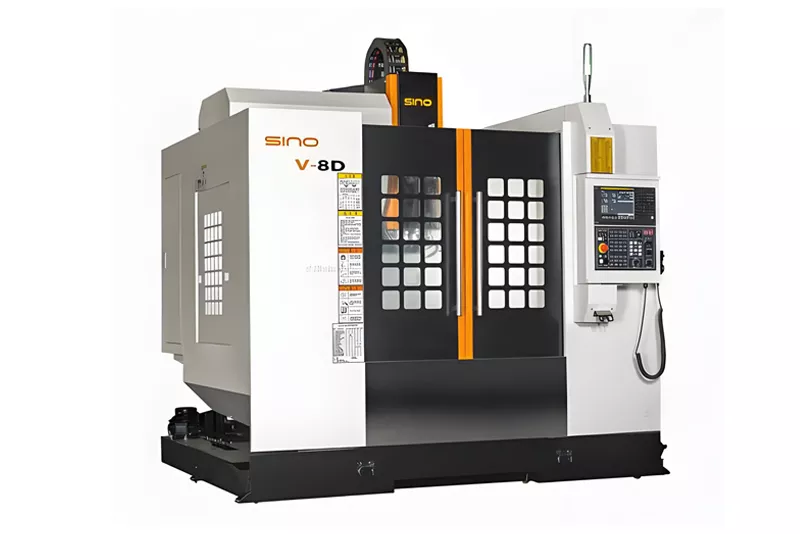
CNC Rough Machining to Remove Most Material
Precision Machining of Internal Flow Channels and Sealing Structures
High-Precision Planar Machining to Ensure Flatness and Fit
Deburring and Deep Cleaning to Prevent Residue in Flow Channels
Surface Treatment (e.g., Anodizing, Nickel Plating)
Dimensional Inspection and Sealing Performance Testing
This process is not only a manufacturing workflow but also a comprehensive reflection of engineering experience and quality control capabilities.
V. Why is server cold plates more suitable for customization by professional CNC machining factories? Server cold plate projects typically have the following characteristics: small batch sizes but complex structures, frequent design iterations, and high requirements for delivery time and consistency. Compared to standard part production, server cold plates rely more on CNC precision machining vendors with engineering collaboration capabilities and rapid response abilities.