
Deep Dive into Precision Manufacturing: Core Advantages and Application Limitations of Machining Processes
In the field of precision manufacturing, cutting processes, as one of the core machining methods, are integrated into multiple high-end scenarios such as aerospace, semiconductors, medical devices, and automotive components. They serve as a key means to achieve micrometer and sub-micrometer-level machining accuracy. By means of relative motion between the tool and the workpiece, cutting processes remove excess material and shape precise forms, balancing machining efficiency and product accuracy. However, they also face certain application limitations due to factors like technical barriers and cost control. Today, we will comprehensively analyze the advantages and disadvantages of cutting processes in precision manufacturing, help you clearly understand their applicable scenarios, and provide reference for production machining selection.
Core Advantages of Cutting Processes in Precision Manufacturing
The core reason why precision cutting processes have become the mainstream machining method in precision manufacturing lies in their outstanding advantages in terms of accuracy, efficiency, and adaptability. These advantages enable them to meet the stringent requirements of high-end products for components and adapt to the machining needs of multiple industries and materials.
High Machining Accuracy and Strong Dimensional Consistency
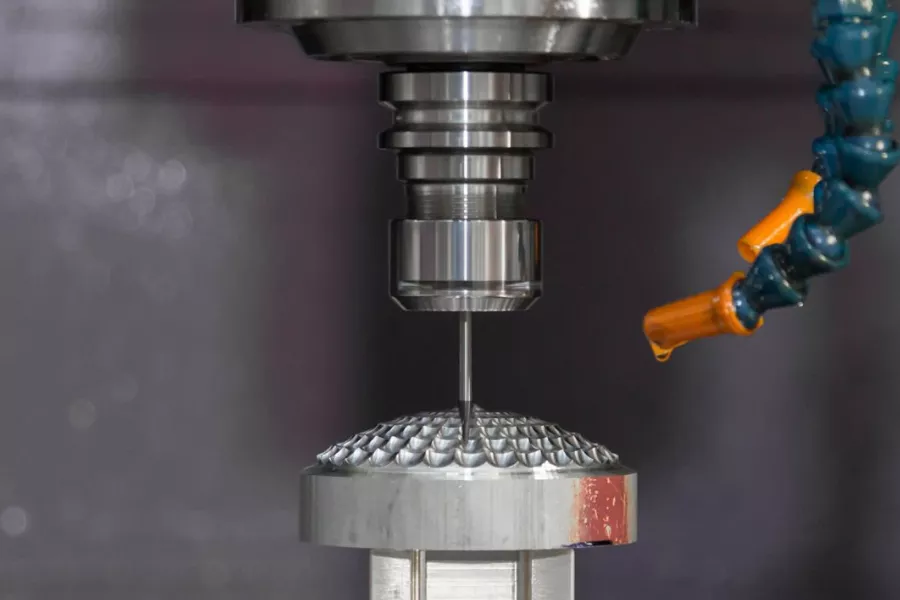
Precision cutting relies on high-precision CNC equipment, dedicated cutting tools, and precise process control to achieve machining accuracy at the micron or even sub-micron level. Dimensional tolerances can be stably controlled within ±0.001mm, which is far superior to traditional machining methods. Whether it is complex curved surf aces, irregular structures, or small and precision components, dimensional consistency can be guaranteed in mass production, effectively reducing product scrap rates. It is particularly suitable for production scenarios with extremely high precision requirements, such as semiconductor components and core medical device components.
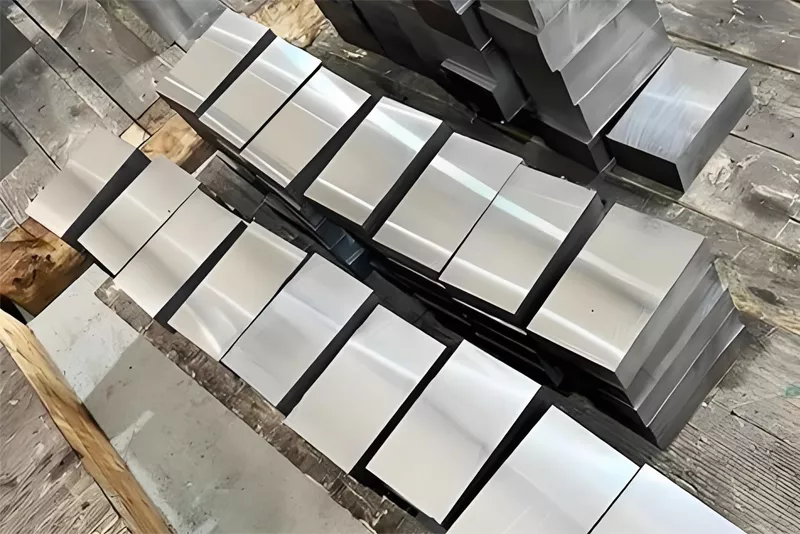
The cutting process is compatible with a wide range of materials and applicable to diverse scenarios. It can efficiently process both metallic materials (such as titanium alloys, stainless steel, aluminum alloys, and copper alloys) and non-metallic materials (including engineering plastics, ceramics, and composite materials). Unlike some precision machining processes that are limited to specific materials, precision cutting can flexibly adapt to various applications, such as high-strength alloy machining in aerospace, lightweight component machining in the automotive industry, and precision plastic part machining in electronics, demonstrating strong practicality.
The machining process offers high efficiency and good adaptability for mass production. Compared to precision machining methods such as laser machining and electrical discharge machining, precision cutting technology boasts higher processing efficiency. Particularly in batch production, it can achieve continuous and large-scale machining through automated production lines and multi-axis Linked processing equipment, significantly shortening the production cycle. Additionally, the cutting process has a mature workflow, allowing flexible adjustment of processing parameters according to product requirements. It can meet both small-batch customized production and large-batch standardized production needs, effectively balancing flexibility and scalability.
Processing costs are controllable, and the cost-performance ratio is outstanding.
The equipment, tools, and processing procedures for precision machining have formed a mature system, with relatively transparent and controllable costs for equipment maintenance and tool wear. For most precision component machining, high-precision processing can be achieved without incurring excessively high dedicated equipment costs. Compared to some high-end precision machining technologies (such as nanomachining), it offers significant cost-performance advantages, making it particularly suitable for the production needs of small and medium-sized precision manufacturing enterprises.
Superior surface quality and convenient post-processing
Precision cutting, by optimizing tool angles, cutting speed, and cooling methods, can achieve a smooth workpiece surface with a surface roughness controlled between Ra0.1-0.8μm. This eliminates the need for additional complex surface polishing processes to meet the product's assembly and usage requirements. It not only reduces subsequent machining processes and lowers production costs but also avoids the impact of subsequent treatments on workpiece accuracy, thereby enhancing the overall product quality.
The main disadvantages of cutting processes in precision manufacturing
Although precision cutting processes offer significant advantages, they still have some notable drawbacks due to technical characteristics, equipment requirements, and processing scenarios. In certain high-end applications or special requirements, they may fail to meet processing needs and require complementary use with other processes.
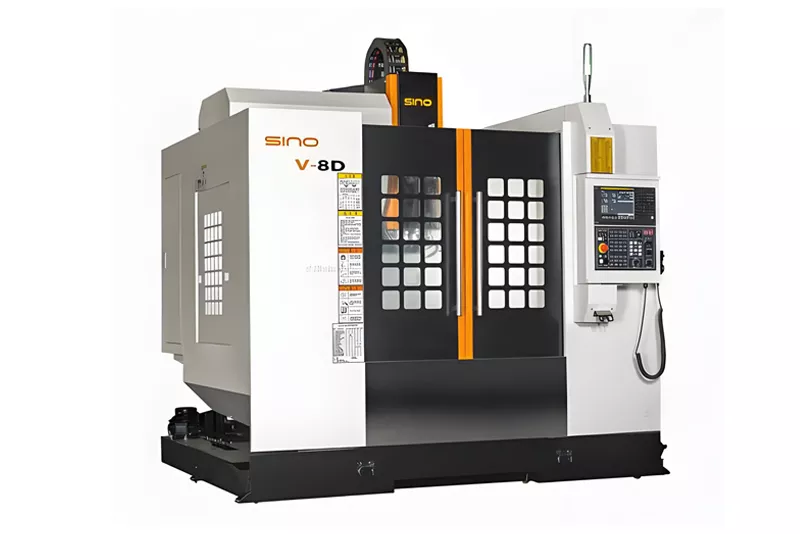
The requirements for equipment and cutting tools are extremely high, with substantial upfront investment: To achieve high-precision machining in precision cutting, it is essential to rely on high-precision CNC machining equipment (such as five-axis machining centers, high-precision milling machines) and specialized precision cutting tools (such as diamond tools, cubic boron nitride tools). The upfront procurement costs for such equipment and tools are relatively high. Additionally, daily calibration and maintenance of the equipment are challenging, and the associated maintenance costs are also considerable. This poses significant financial pressure on small and medium-sized enterprises, creating a high entry barrier.
Processing complex and irregular structures with high difficulty presents limitations: for some extremely complex irregular structures, deep-cavity structures, or small-hole components, precision cutting processes have obvious limitations. Due to restrictions on the tool's movement path, it is difficult to perform precise machining deep into cavities, and issues such as tool wear and reduced machining accuracy are prone to occur. In such cases, it is necessary to combine technologies like 3D printing and electrical discharge machining to complete the entire processing, which increases the complexity of the production process.
Tool wear occurs rapidly, affecting machining stability: During precision cutting, the tool directly contacts the workpiece. The high temperature and friction generated by high-speed cutting cause the tool to wear quickly. This wear is particularly pronounced when processing high-strength and high-hardness materials such as titanium alloys and ceramics. Frequent tool replacement not only increases consumable costs but also interrupts the machining process, reducing production efficiency. Additionally, after replacing the tool, re-calibration is required, which may affect the stability of machining accuracy.
High professional requirements for operators: The machining results of precision cutting depend not only on equipment and tools but also on the professional competence of operators. Operators need to be proficient in the operation techniques of CNC equipment, optimization methods for cutting parameters, as well as tool selection and replacement skills. They must also be able to promptly address abnormal issues that arise during the machining process (such as tool wear and dimensional deviations). Currently, there is a significant shortage of technical personnel with professional precision cutting operation capabilities. The high training costs also restrict the widespread application of this technology.
There is a certain amount of loss during the machining process, resulting in low material utilization: precision cutting is a 'subtractive manufacturing' process, which achieves precise forming by removing excess material from the workpiece surface. This inevitably leads to some material loss. Especially when processing precious materials (such as rare metals and high-end composite materials), material loss directly increases production costs. Compared with additive manufacturing's 'on-demand forming', material utilization is lower, making it less competitive in some precious material processing scenarios.
View cutting technology rationally and accurately match application scenarios.
In summary, cutting technology in precision manufacturing is a 'double-edged sword'—its advantages of high precision, high efficiency, and high adaptability make it the preferred method for processing most precision parts, especially suitable for batch production, multi-material processing, and routine scenarios with high precision requirements. However, its disadvantages such as high equipment investment, processing limitations, and rapid tool wear also determine that it needs to be complemented by other precision machining technologies in scenarios involving extremely complex structures or expensive materials.
For precision manufacturing enterprises, there is no need to blindly pursue 'all-in-one' processes. Instead, they should rationally select machining processes based on their product's precision requirements, material characteristics, production scale, and cost budget. In most routine precision machining scenarios, cutting processes offer significant advantages in cost-effectiveness and practicality. For special needs such as complex structures or expensive materials, they can combine technologies like 3D printing and electrical discharge machining to achieve efficient, accurate, and low-cost production, thereby maximizing the core value of various processes.