
Comparison of Differences Between Pure Aluminum Die Casting and Aluminum Die Casting Properties
Currently, die casting uses die-casting alloy materials, and this process is very mature and widely applied. However, die casting of 6-series alloys and pure aluminum has not been widely promoted or mass-produced. This process can only be carried out in companies with advanced technology and well-trained employees. Manufacturing pure aluminum die-castings is not difficult. Now, when applied to various heat sinks and specific requirements, you will find that die-castings tend to stick to the mold easily during the production process.
For pure aluminum die casting, it is necessary to distinguish the properties of pure aluminum and die-cast aluminum.
Summary of the properties of pure aluminum and aluminum alloys:
I. Pure Aluminum:
Aluminum is a light metal with a density of 2.72 grams per cubic centimeter, which is approximately one-third that of pure copper.
In terms of thermal conductivity: aluminum has good thermal conductivity and electrical conductivity. When the cross-sectional area and length of aluminum are the same as those of copper, the electrical conductivity of aluminum is about 61% that of copper. If aluminum and copper have the same weight but different cross-sectional areas (with equal length), the electrical conductivity of aluminum is 200% that of copper.
Chemical Properties: It has good resistance to atmospheric attenuation. Due to the formation of an aluminum oxide film on its surface, which prevents further oxidation of the internal metal, aluminum basically does not react with concentrated nitric acid, organic acids, and food.
Aluminum has a face-centered cubic structure, and industrial pure aluminum has very high ductility (≈80%), so it can easily undergo various forming processes. However, its strength is too low, with a tensile strength (b) of about 69 MPa. Therefore, pure aluminum can only be strengthened through cold working or alloying. It can only be used as a structural material after its strength is improved. Since aluminum is non-magnetic, does not produce sparks, and has excellent reflectivity—it can reflect both general visible light and special ultraviolet light. The impurities in aluminum are silicon and iron. The higher the impurity content, the lower its electrical conductivity, corrosion resistance, and plasticity will be.
II. Aluminum Alloy
When we add appropriate alloying elements to aluminum, cold working or heat treatment can significantly improve certain properties. The most widely used aluminum alloying elements are copper, magnesium, silicon, manganese, and zinc. Sometimes, these elements are added individually or in combination. In addition to the above elements, trace amounts of titanium, boron, and chromium are sometimes added. According to the composition and characteristics of the aluminum alloy production process, they can be divided into casting aluminum alloys and deformation aluminum alloys.
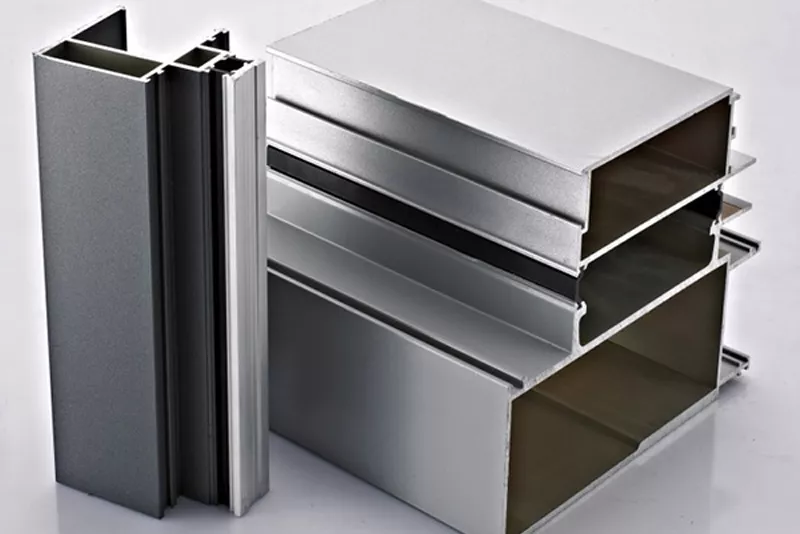
(1)Deformable Aluminum Alloys: This type of aluminum alloy is generally processed into plates, tubes, rods, and various profiles through hot pressing or cold pressing, such as rolling and extrusion processes. These alloys have high requirements for plasticity, so their alloy content is low.
(2) Cast Aluminum Alloys: These are formed by directly pouring molten metal into sand molds to create parts of various complex shapes. For such alloys, good formability, i.e., good fluidity, is required. When the alloy content is low, they are suitable for deforming aluminum alloys; when the alloy content is high, they are suitable for melting aluminum alloys. The elastic modulus of aluminum alloys is only 1/3 that of steel, meaning that under the same cross-section and load, the elastic deformation of aluminum alloys is three times that of steel. While their load-bearing capacity is not strong, they have good shock resistance. The hardness range of aluminum alloys (including annealed and aged-hardened states) is 20-120 HB. Steel is harder than the hardest aluminum alloy. The ultimate tensile strength of aluminum alloys ranges from 90 MPa (pure aluminum) to 600 MPa (super-hard aluminum), which is much lower in hardness compared to steel.
The melting point of aluminum alloy is relatively low (generally around 600°C, compared to about 1450°C for steel). Aluminum alloy has excellent room temperature and high-temperature plasticity, allowing the extrusion method to produce structural parts with extremely complex cross-sectional shapes, thin walls, and high dimensional accuracy. In addition to suitable mechanical properties, aluminum alloy also exhibits excellent corrosion resistance, thermal conductivity, and reflectivity.
Custom parts aluminum non-standard parts processing plant
It can be seen from the comparison that:
Pure aluminum has poor fluidity, good thermal conductivity, a high melting point, and good oxidation resistance.
Aluminum casting has characteristics such as high fluidity, high plasticity, low melting point, and easy surface treatment.
Therefore, in response to these characteristics, modifications to the mold are essential. The runner should be widened to ensure smooth material flow, and the front and rear sections of the runner should be made identical for consistency. The gate (inlet) should be thickened, with a minimum thickness of 3 mm. Depending on the product specifications, the size and thickness of the feed runner should be increased accordingly. Additionally, the venting system must remain unobstructed to prevent blockages. The use of both upper and lower gates helps reduce direct feeding into the product, minimizing the risk of material sticking and clogging. The mold core is specially treated to further prevent adhesion.
In addition, several points to note during the die-casting operation process:
(1) Use a pure aluminum alloy-specific release agent.
(2) The boiler temperature should be kept as close to 720°C as possible.
(3) The application of graphite materials in furnace crucibles is less likely to cause a large temperature difference between the upper and lower sides.
(4) The mold surface temperature should not be lower than 220.
(5)The cooling time after injection should not be too long. The ejection time after mold opening should be within 0.3 seconds.
(6) The die opening is thicker than the aluminum alloy.
(7)During the injection process, the flow between the channel and the feed port should be as smooth as possible.
(8)Try to spray the product automatically as much as possible; otherwise, the mold surface temperature will be unstable.
(9)The pressure of the die-casting machine should be small.
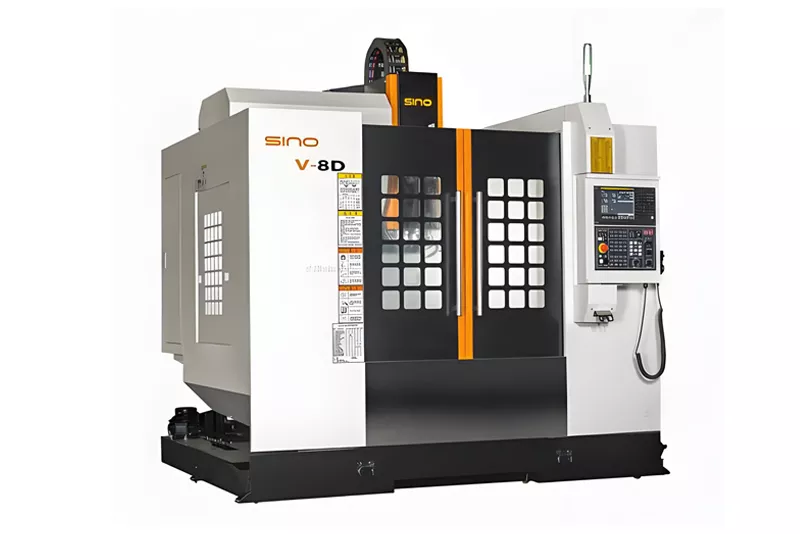
(10)It is best to produce it on a higher-level machine.