
Why is titanium alloy machining expensive? A deep analysis from tool life to process complexity
Why is the cost of machining titanium alloys much higher than that of other materials? This is mainly due to the special material properties of titanium alloys, such as their poor thermal conductivity, which can quickly wear down cutting tools and significantly shorten tool life. Additionally, machining titanium alloys requires very complex processes, including specialized equipment and multiple steps, all of which greatly increase process complexity. All these factors combined drive up the overall machining cost. In this article, we will start with the wear of tool life and step by step analyze how process complexity and material properties affect costs, helping readers understand the challenges of titanium alloy machining and why it is so expensive.
Limitations of Titanium Alloy Material Properties
Some inherent properties of titanium alloys are the root causes of their difficult machining and increased costs. First, they conduct heat very slowly, much like how running in thick cotton clothing makes you sweat easily— the enormous heat generated during cutting dissipates slowly, leading to extremely high temperatures in the cutting area. Second, titanium alloys are very hard with exceptional strength, requiring the cutting tools to exert greater force to cut through them, which is inherently laborious. Additionally, titanium is particularly "reactive" at high temperatures, readily reacting with surrounding air and even the tool material. This can damage the tools or degrade the machined surface quality. Together, these properties set a natural high barrier for the machining process.
Short tool life increases costs
In the machining process of titanium alloys, short tool life directly increases overall costs. This is because the low thermal conductivity of titanium alloys makes it difficult for tools to dissipate heat during cutting, causing temperatures to rise rapidly and leading to extremely fast tool wear. Typically, the tool life for machining titanium alloys is only about one-fifth that of machining steel. This means factories must frequently replace tools. This high replacement frequency not only increases expensive tool procurement costs but also causes production interruptions, reducing efficiency. As a result, tool wear has become a key burden in the cost chain of machining, and combined with the complexity of subsequent processes, it further amplifies cost pressures.
Analysis of Premium for Complex Manufacturing Processes
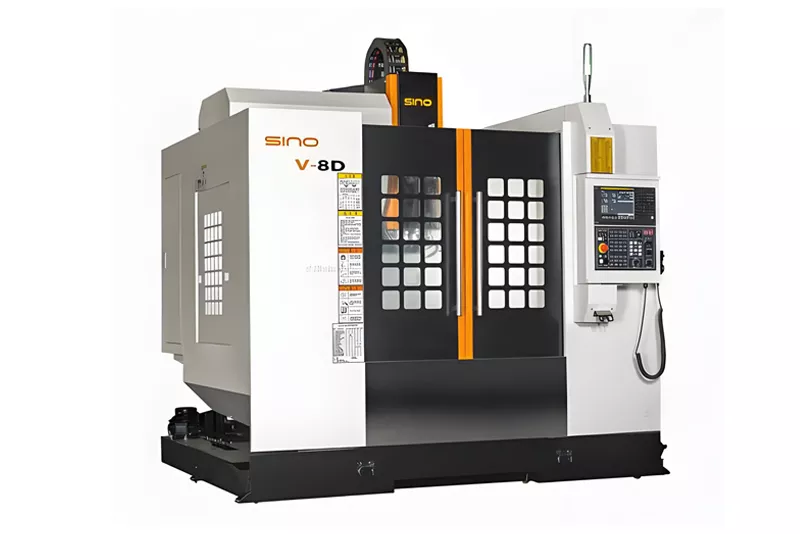
In addition to rapid tool wear, the machining process for titanium alloy is inherently far more complex than that for ordinary metals, which directly drives up costs. Titanium alloy is extremely hard and strong, so it cannot withstand removing too much material in a single cut; instead, the machining must be broken down into many small steps carried out gradually—much like climbing stairs. This naturally requires more time and extended machine operation. At the same time, because titanium alloy is highly “reactive,” it readily reacts with elements in the air at high temperatures. As a result, many critical machining steps must be performed in a special protective gas environment, such as enclosing the machining area with argon gas. Managing and maintaining such controlled environments adds considerable expense. Moreover, to tackle the challenges posed by titanium alloy, factories often need to invest in more expensive, higher-powered specialized machine tools. The purchase and operation costs of these machines—such as higher electricity consumption—are ultimately factored into the machining price. These factors combine to make every stage of the machining process more time-consuming, labor-intensive, and costly.
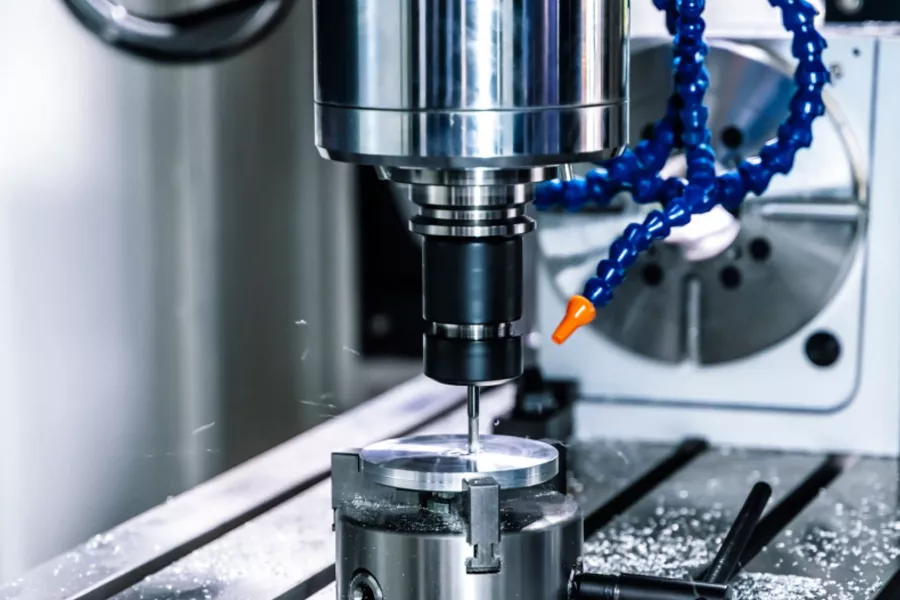
Overall, the high cost of titanium alloy processing stems from factors spanning the material itself, tool consumption, and manufacturing processes. This metal conducts heat slowly, leading to heat buildup during cutting, which causes tools to wear much faster than when processing steel. Frequent tool replacement directly increases tool costs. Additionally, titanium is extremely hard and strong, requiring greater force during machining, imposing strict requirements on equipment, and increasing energy consumption. Compounding the issue, titanium readily reacts with components in the air at high temperatures, necessitating special protective measures such as the use of inert gases, adding extra processes and costs. Ultimately, the challenging material properties, rapid tool wear, and complex process steps required to ensure quality collectively drive up the final processing costs of the product.