
What to do if chip entanglement occurs during the processing of a profile machining center?
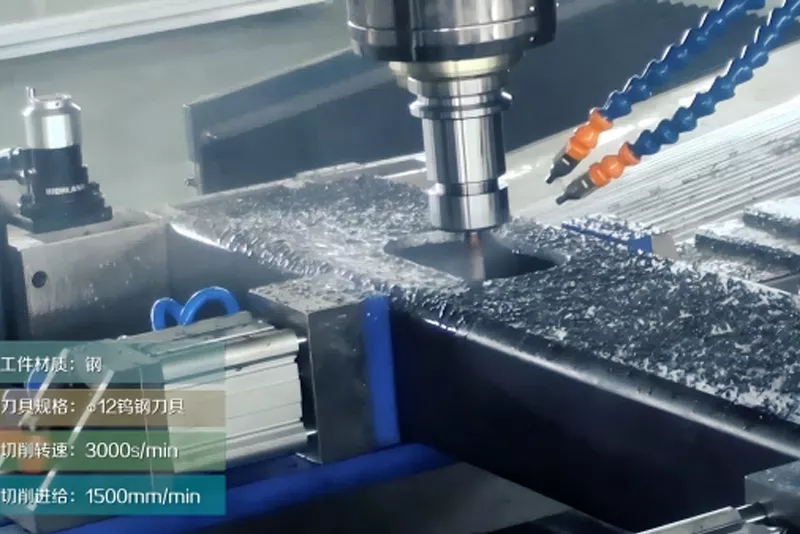
In the machining process of profile processing centers, chip entanglement is a common technical challenge. It not only affects machining quality but can also lead to equipment failures and even endanger the safety of operators. The occurrence of chip entanglement problems is usually due to chips generated during the cutting process not being effectively removed, thereby wrapping around the tool, workpiece, or machine tool and forming obstacles. To effectively address this issue, this paper will provide a detailed analysis of the causes, impacts, and solutions of chip entanglement, helping users improve machining efficiency, reduce equipment maintenance costs, and ensure machining safety during the machining process of profile processing centers.
I. Analysis of the Causes of Chip Wrapping
Chip entanglement is a common fault phenomenon during the machining process. It usually occurs when machining high-strength metals or workpieces with complex shapes. The causes of chip entanglement are varied and mainly include the following aspects:
Poor tool design: If the geometric shape, cutting edge angle, coating, etc., of the tool are poorly designed, the cutting force between the tool and the workpiece during machining will be uneven, which is prone to cause chip deformation or breakage. These irregular chips often wrap around the tool, leading to poor cutting performance.
Improper cutting parameter settings: Parameters such as cutting speed, feed rate, and depth of cut directly affect the morphology of chips and chip evacuation. If the fe ed rate is too small or the depth of cut is too shallow, chip discharge will be restricted, making it easy for chips to accumulate and wind around the tool.
Insufficient coolant: The function of coolant is not only to cool down but also to effectively remove chips generated during the cutting process. If the coolant supply is insufficient or the direction is inappropriate, chips cannot be cleared in a timely manner, easily accumulating on the tool surface and workpiece surface, which ultimately leads to chip wrapping.
Cutting Material Properties: The chip characteristics of different materials vary significantly. For example, soft materials such as aluminum alloys tend to form long strip-like chips that are prone to tangling. In contrast, hard materials like titanium alloys and tool steels produce harder and more brittle chips, which are likely to break or form chips, thereby affecting the chip removal effect.
Machine Tool Chip Removal System Issues: Poor design or aging of the chip removal system may also lead to chips not being discharged in a timely manner. Problems such as blockage of the chip removal system and loose spiral blades can affect the chip removal efficiency, causing chips to become entangled during the machining process.
Unstandardized operation processes: Some operators may not pay attention to tool wear during processing or fail to adjust cutting parameters in a timely manner, leading to unstable cutting, which may also be an important factor causing chip entanglement.
II. The Impact of Chip Wrapping
The chip entanglement phenomenon not only affects machining efficiency but may also have adverse effects on equipment and operators:
Affecting machining accuracy and surface quality: Chip entanglement can lead to unstable cutting forces, which in turn affects the machining accuracy of the workpiece, causing problems such as rough surface finish and dimensional errors. This issue is particularly severe in precision machining.
Tool Wear Intensification: Chip wrapping not only exacerbates tool wear but can also lead to tool breakage, especially when machining hard materials. Continuous tool wear results in reduced machining efficiency, increased frequency of tool replacement, thereby raising production costs.
Increasing machine tool load: When chips wrap around the tool or workpiece, the machine's load increases, which may cause unstable operation of the machine tool. In severe cases, it can lead to equipment failure, increasing maintenance costs and downtime.
Safety Hazards: Prolonged accumulation of chips not only affects the operating space but can also cause machine tools to overheat, thereby increasing the risk of safety accidents such as fires. Operators may suffer cuts or other injuries during the cleaning process due to chip entanglement.
III. Solutions to Chip Wrapping
To address the problem of chip entanglement, we can take a series of effective measures from multiple angles. Below are some commonly used solutions to help you optimize the machining process and improve production efficiency.
Optimize Tool Design: Selecting tools suitable for the machining material and process requirements is key to preventing chip entanglement. Appropriate tool geometry, cutting edge angles, and coatings can effectively reduce uneven distribution of cutting forces, thereby avoiding chip accumulation. For difficult-to-machine materials, using specialized or ultra-hard tools can significantly improve chip evacuation efficiency.
Adjust cutting parameters: By setting reasonable cutting parameters, the phenomenon of chip entanglement can be effectively reduced. For example, during the cutting process, appropriately increasing the feed rate and cutting depth can ensure smooth chip discharge. Adjust the cutting speed according to different processing materials and processing requirements to avoid unstable chips caused by excessively low or high cutting speeds.
Ensure adequate coolant supply: Coolant not only reduces tool temperature and minimizes wear but also effectively removes chips. During the machining process, ensure sufficient coolant supply, and adjust the spray position and angle of the coolant according to actual conditions to help chips quickly detach from the tool and workpiece.
Regularly inspect the chip removal system: The design and maintenance of the chip removal system directly affect the chip cleaning effect. Regularly check the chip removal system to ensure it is unobstructed and undamaged, avoiding chip entanglement caused by poor chip removal. Installing efficient chip removal devices such as chip conveyor belts and air flow chip removal systems can improve chip removal efficiency.
Improve operating specifications: Operators need to be sensitive to the wear conditions of machine tools and cutting tools, adjust cutting parameters in a timely manner to avoid chip entanglement caused by severe tool wear. Regularly clean the machine tool to ensure a clean and tidy work area, reducing the accumulation of chips.
Use appropriate cutting fluids: In certain machining environments, using the right cutting fluid can reduce the likelihood of chip adhesion. Especially when machining materials such as aluminum alloys and copper alloys, adopting suitable water-soluble cutting fluids or oil-based cutting fluids can reduce the stickiness of chips and prevent them from winding around.
By the comprehensive application of the above methods, the occurrence of chip entanglement problems can be significantly reduced, ensuring the smooth progress of the profile machining center during the processing process. We will further explore how to reduce the risk of chip entanglement through equipment maintenance and technological innovation, and share some industry best practices to help enterprises maintain efficient and stable production levels in long-term operations.