
What is Chrome Plating? A Complete Professional Guide to Chrome Plating on CNC Machined Parts
In the field of precision manufacturing, machining accuracy is generally required to ensure the final performance of parts. Surface treatment plays a crucial role in enhancing the wear resistance, corrosion resistance, and appearance of parts. Among these, chromium plating, also known as chrome plating, is one of the most widely applied and effective coating processes. So, what is chrome plating? And why is it so important in industries such as aerospace, robotics, automotive, and medical? From a professional perspective, this article systematically analyzes the significance of chrome plating in manufacturing, thoroughly explains what metal chrome plating is, details how to chrome plate steel components, and provides a comprehensive analysis of its applications, advantages, and comparison with anodizing.
What is Chrome Plating?
First, starting with the basic concept: What is chrome plating?
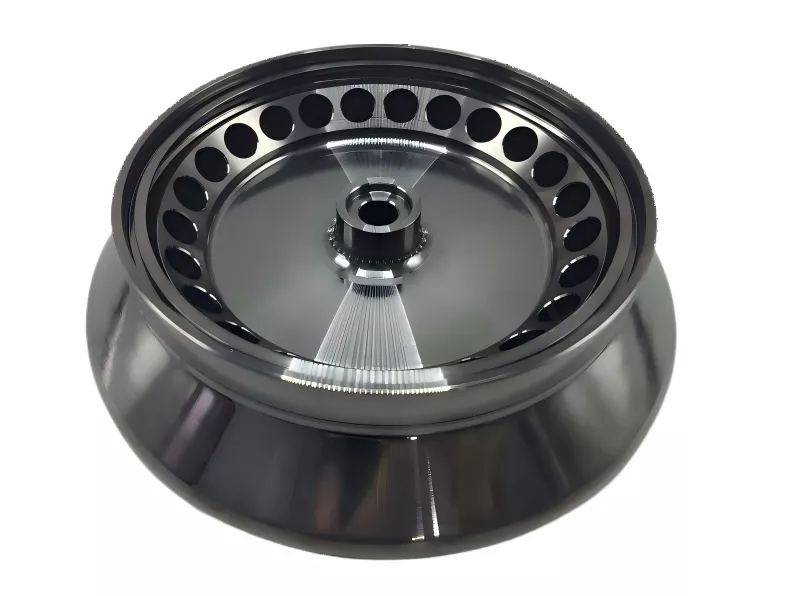
Chrome plating is a surface treatment technology that deposits a thin layer of chromium onto metal surfaces through an electroplating process. This chromium layer not only improves the appearance but also significantly enhances material properties.
Key characteristics of chrome plating:
High building (likely referring to high hardness or structural integrity)
Excellent corrosion resistance
Low surface coefficient
Mirror-like glass appearance
Therefore, chrome plating is not only a decorative process but also an important functional surface engineering technology.
The Significance of Chrome Plating in Manufacturing
Understanding the significance of chrome plating in manufacturing is crucial for engineers and procurement personnel.
In industrial manufacturing, chrome plating is primarily used for:
Extending component lifespan
Enhancing fatigue resistance
Maintaining dimensional stability
Reducing maintenance and replacement costs
In the field of CNC precision machining, chrome plating is commonly applied to critical components such as:
Precision shaft parts
Molds
Ends
Hydraulic components
What is Metal Chrome Plating (What is Metal Chrome Plating)?
So, what is metal chrome plating?
It is an electrochemical process that deposits passivated ions from the plating solution onto a metal surface via an electric current, forming a uniform and dense coating.
Standard Chrome Plating Process:
Surface Cleaning
Removal of oil stains, oxide layers, etc.
Mechanical Polishing
Improving surface finish
Undercoat (Nickel Layer)
Enhancing adhesion and corrosion resistance
Electroplating
Coating
Post-Treatment
Polishing and Quality Inspection
How to Chrome Plate Steel Components
In practical production, many customers are concerned about: How to chrome plate steel components?
Steel is one of the most common substrates for chrome plating, but strict process control is required.
Key Process Steps:
Degreasing Cleaning: Removes oil and grease
Acid Pickling Activator: Enhances surface activity
Nickel Underplating (Optional but Recommended)
Electroplating
Cleaning and Post-Treatment
Key Control Points:
Surface roughness affects the final appearance
Coating thickness must be set according to application requirements
Current distribution influences coating uniformity
Common Applications:
Hydraulic Piston Rods
Mechanical Drive Shafts
Industrial Warehouses
Jigs and Fixtures
A reasonable chrome plating process can significantly improve the wear resistance and service life of steel components.
Chromium Plating Applications for CNC Machined Parts
Chromium plating on CNC machined parts is a critical process in high-end manufacturing. While CNC machining can achieve precise part dimensions, without surface protection, parts are prone to wear and corrosion during use.
Importance of Chromium Plating for CNC Parts:
- Maintains long-term dimensional stability
- Reduces friction and enhances motion performance
- Increases surface hardness
- Prevents corrosion
Common Application Areas:
- Robot components
- Aerospace fasteners
- Medical device parts
- Automotive performance components