
What is aluminum profile, and what are the application fields of aluminum profiles?
What is aluminum profile?
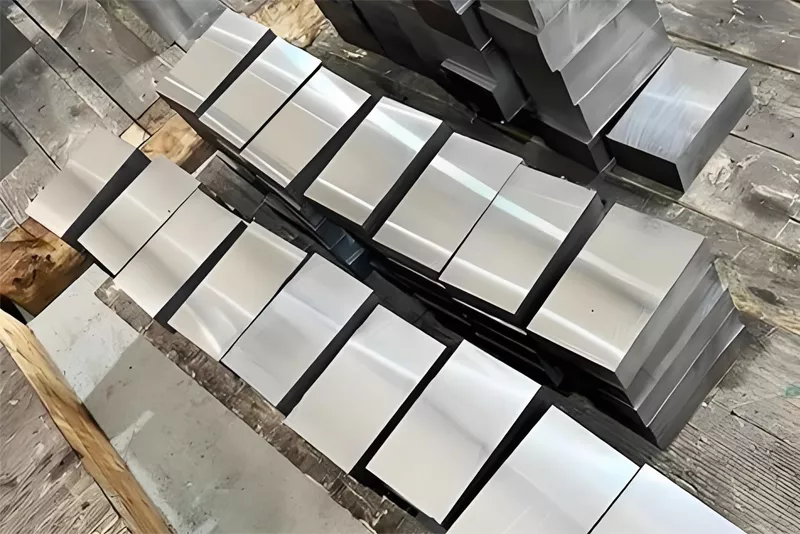
Aluminum profiles are aluminum materials made using aluminum bars as raw materials, processed through high-temperature melting, extrusion, aging, and surface treatment (such as anodizing, spraying), resulting in specific cross-sectional shapes (such as square tubes, round tubes, T-shapes, L-shapes, etc.). They optimize the properties of aluminum, making it both lightweight and strong.
Main application fields of aluminum profiles:
In the construction field: doors and windows, curtain wall frames, sunrooms, partitions, handrails, ceilings, etc., providing both aesthetics and durability.
Industrial Manufacturing: Automated mechanical frames, conveyor belts for production lines, equipment casings, shelves, and connecting components, etc.
Transportation: Achieving lightweighting for vehicle bodies, car doors and windows, automotive parts, aerospace structural components, etc.
Electronics and Electrical Appliances: Shells, brackets, and high-efficiency heat sinks for devices such as LED lamps, computers, and mobile phones.
Home and Decor: Full aluminum furniture, decorative frames, display racks, picture frames, etc., offering a modern design sense.
New Energy: Frames and brackets of solar photovoltaic panels.
Medical equipment: stretchers, medical beds, equipment brackets, etc., utilizing their corrosion resistance and lightweight properties.
Packaging field: Aluminum cans, food and beverage packaging, etc.
Advantages of Aluminum Profiles:
Lightweight and high-strength: Reduces the weight of equipment and buildings.
Corrosion resistance: It is not prone to rust and has a long service life.
Highly malleable: Easy to process into various complex shapes.
Good thermal conductivity: Suitable for heat dissipation applications.
Eco-friendly and recyclable: Easy to recycle and reuse.
Aesthetic and diverse: Surface treatments such as spraying and anodizing can be performed to achieve various colors and textures.